How Water Damage Can Affect Electrical Systems
Water can damage electrical systems in ways that are not always immediately visible. Even after standing water is removed, moisture may remain inside outlets, wiring, appliances, and electrical panels, creating risks that persist after the affected areas appear dry. These conditions can lead to electrical failures, equipment damage, and potential safety hazards.
Understanding how moisture affects electrical components can help property owners recognize problems and arrange the appropriate restoration work. Prompt water damage restoration can also help limit moisture exposure, protect building materials, and reduce the risk of additional complications.
Understanding How Moisture Affects Electrical Components
Electrical systems depend on properly insulated wires, secure connections, and protected components to operate safely. When moisture enters these areas, it can interfere with electrical conductivity and compromise materials that are designed to remain dry.
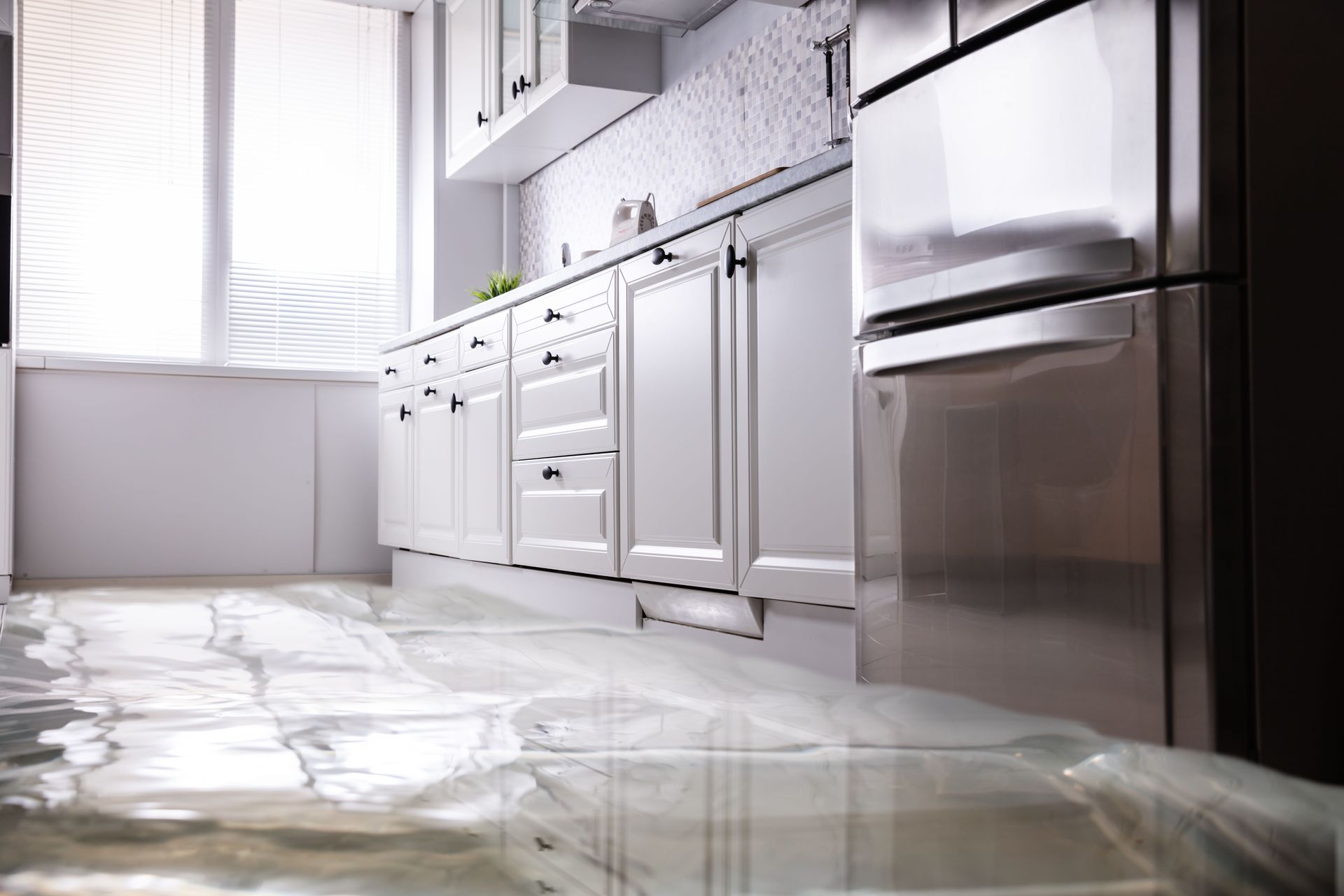
Water can reach electrical components through flooding, leaking pipes, roof damage, overflowing appliances, or storm-related leaks. Depending on the location and severity of the exposure, moisture may affect outlets, switches, circuit breakers, wiring connections, and appliances.
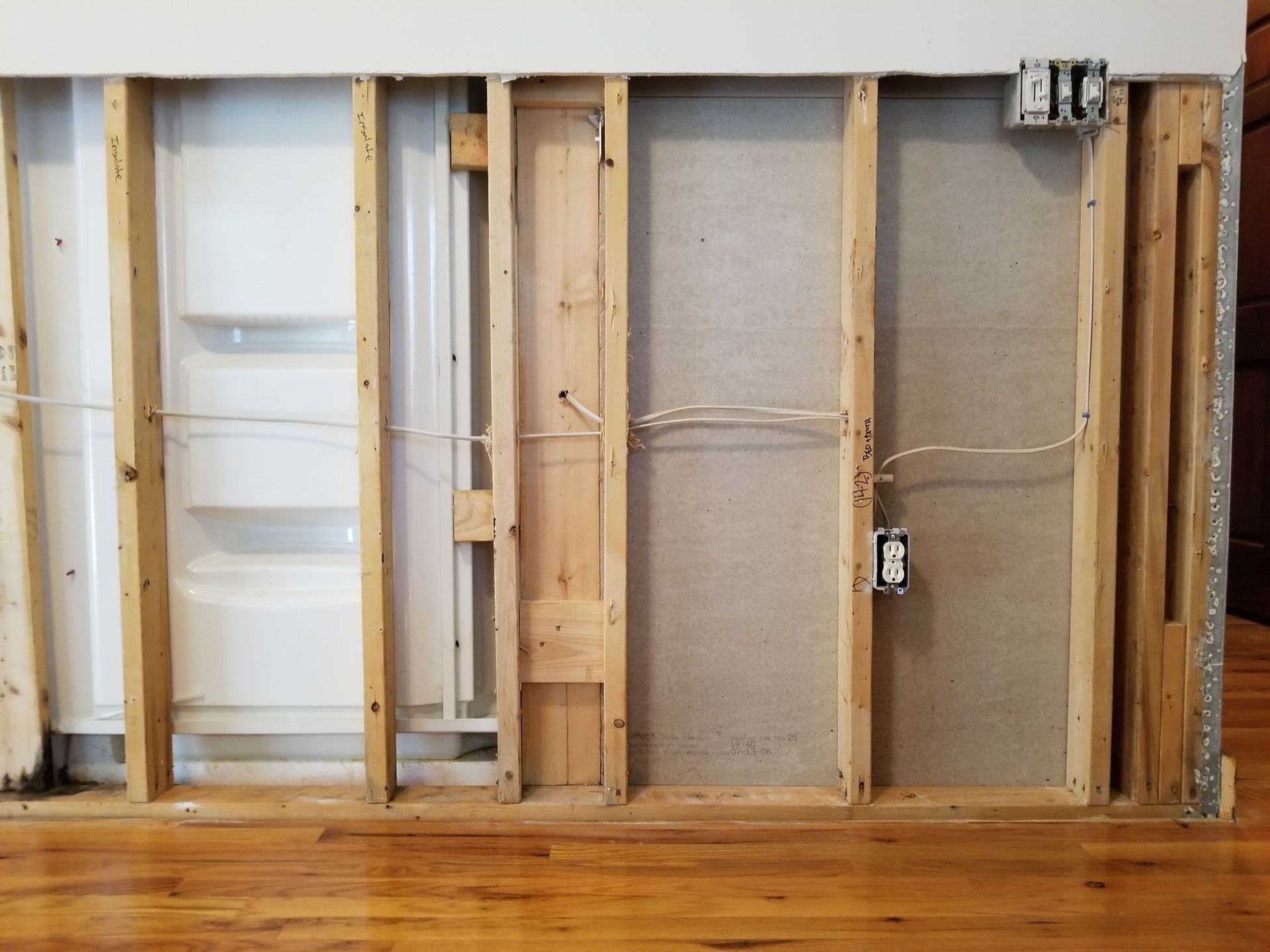
Even a relatively small leak can create problems if water reaches concealed electrical components. Moisture inside walls, ceilings, or floors may remain undetected until an outlet stops working, a breaker trips, or another electrical issue develops. For this reason, visible drying does not necessarily mean the electrical system is safe to use. Prompt water damage restoration can help identify hidden moisture, dry affected materials, and prevent additional damage from spreading throughout the property.
Recognizing Common Electrical Warning Signs
After a property experiences water damage, homeowners should pay attention to changes in how electrical equipment operates. Certain warning signs may indicate that moisture has reached wiring or other components.
Common signs include:
- Frequently Tripping Breakers: Circuit breakers may trip repeatedly when moisture creates an electrical fault or affects connected equipment.
- Flickering or Dimming Lights: Unusual changes in lighting may indicate damaged wiring, loose connections, or problems with electrical circuits.
- Nonworking Outlets or Switches: Outlets and switches may stop functioning if internal components have become wet or corroded.
- Burning Odors or Unusual Sounds: A burning smell, buzzing, or crackling near electrical equipment can indicate a serious problem.
- Visible Corrosion: Rust or discoloration around electrical components may suggest prolonged exposure to moisture.
These warning signs should never be ignored. Property owners should avoid touching wet electrical equipment or attempting to test affected outlets. If there is standing water near electrical equipment, they should stay clear of the area and contact the appropriate emergency or utility professionals to determine how to safely disconnect power.
Identifying Damage to Wiring and Electrical Panels
Wiring and electrical panels are particularly important to evaluate after flooding or significant leaks. Electrical wiring insulation may deteriorate after prolonged exposure to moisture. If insulation is compromised, the risk of short circuits, electrical faults, and overheating increases.
Electrical panels can also be affected when water enters the enclosure. Moisture may cause corrosion of metal components, interfere with connections, and affect breaker operation. Even after the panel appears dry, internal corrosion or residue may remain.
The extent of the problem depends on how much water entered the system, how long components remained exposed, and whether contaminants were present. Floodwater can contain dirt, chemicals, and other substances that leave conductive or corrosive residue behind.
A licensed electrician should inspect affected electrical equipment before it is used again. Depending on the findings, components may require professional cleaning, repair, or replacement. Restoration technicians can address moisture in the surrounding property, but electrical work should be handled by qualified electrical professionals. Prompt water damage restoration can also help remove moisture from nearby building materials, limiting further deterioration while electrical specialists evaluate affected components and determine necessary repairs.
Preventing Mold and Further Structural Problems
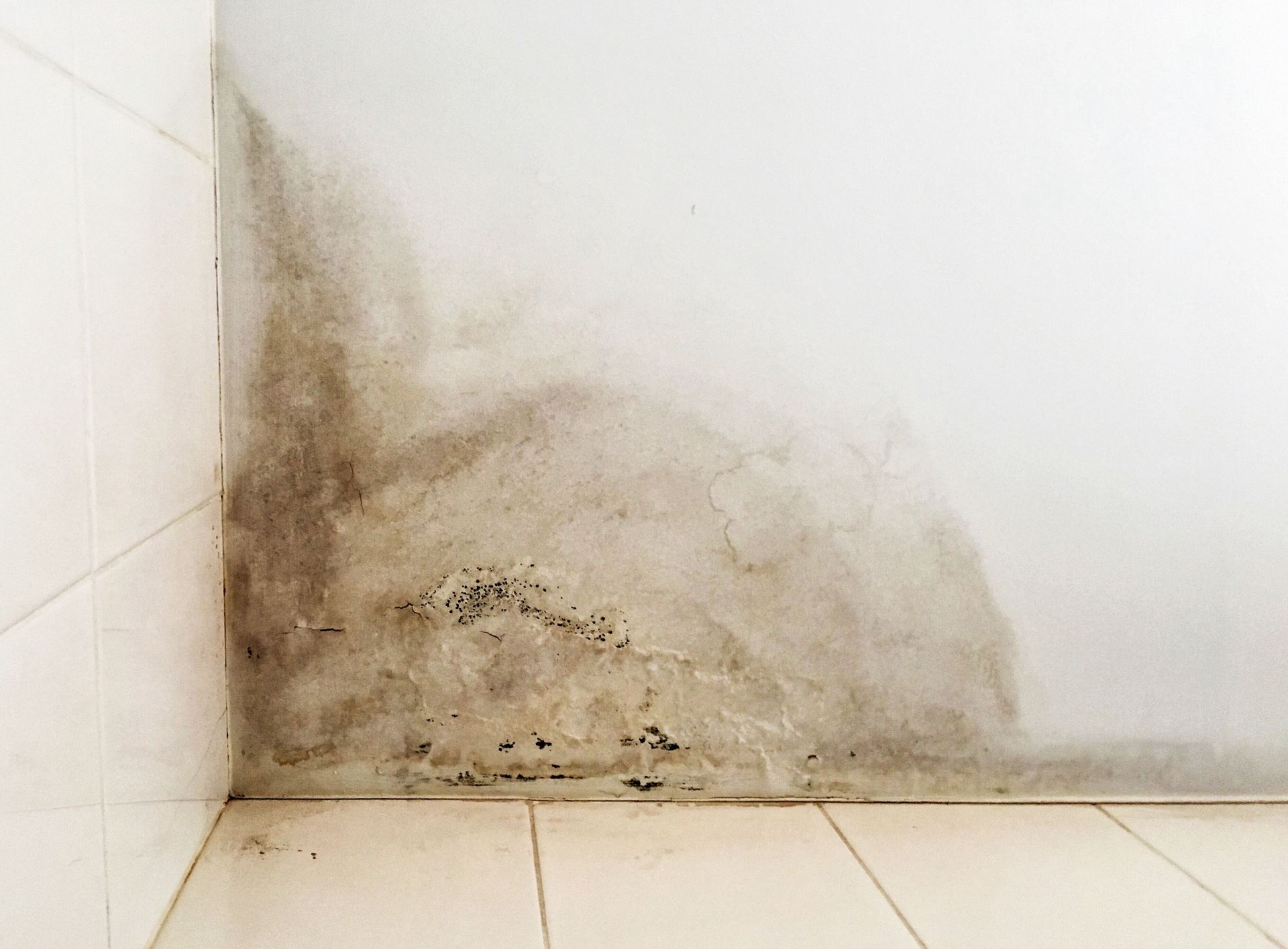
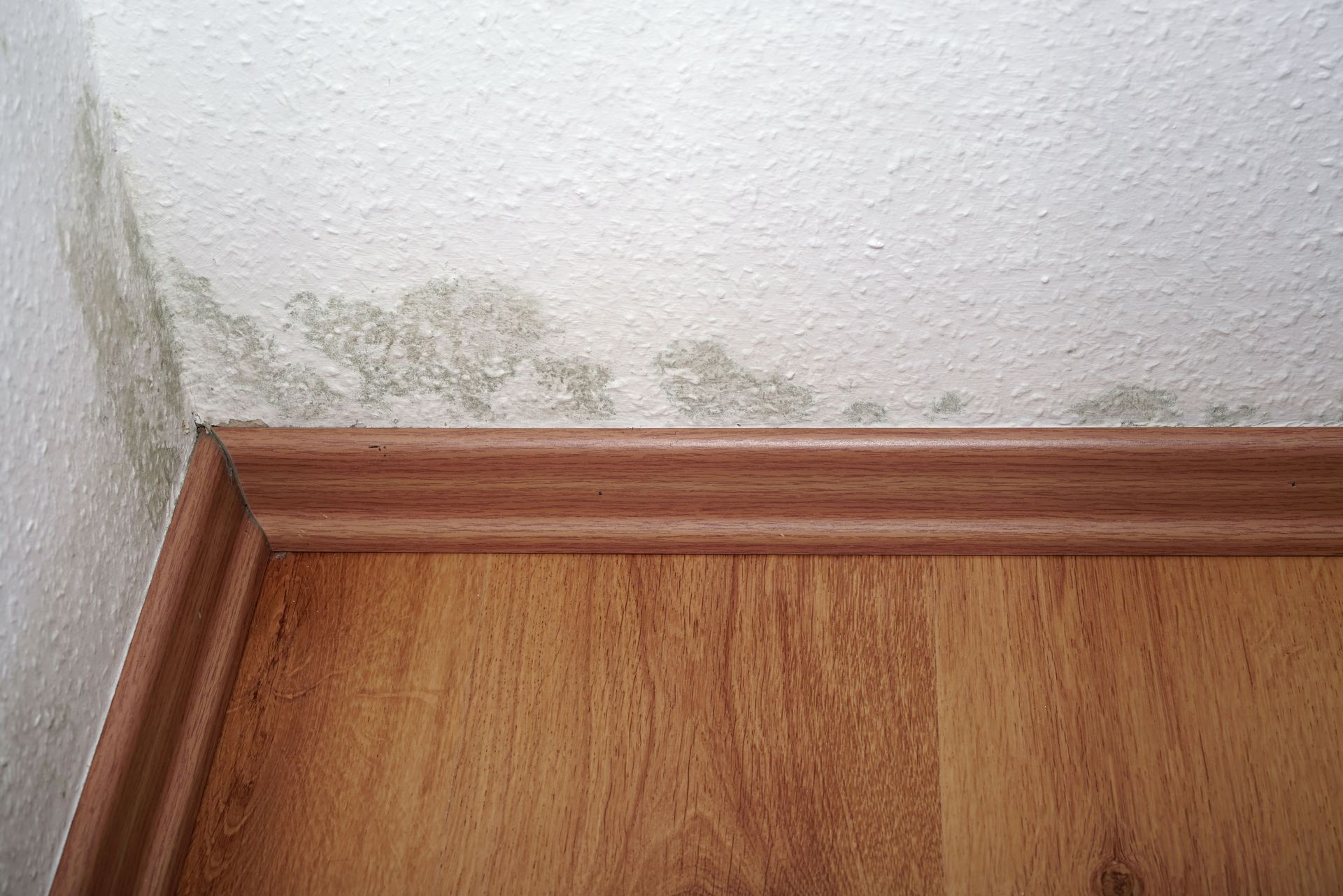
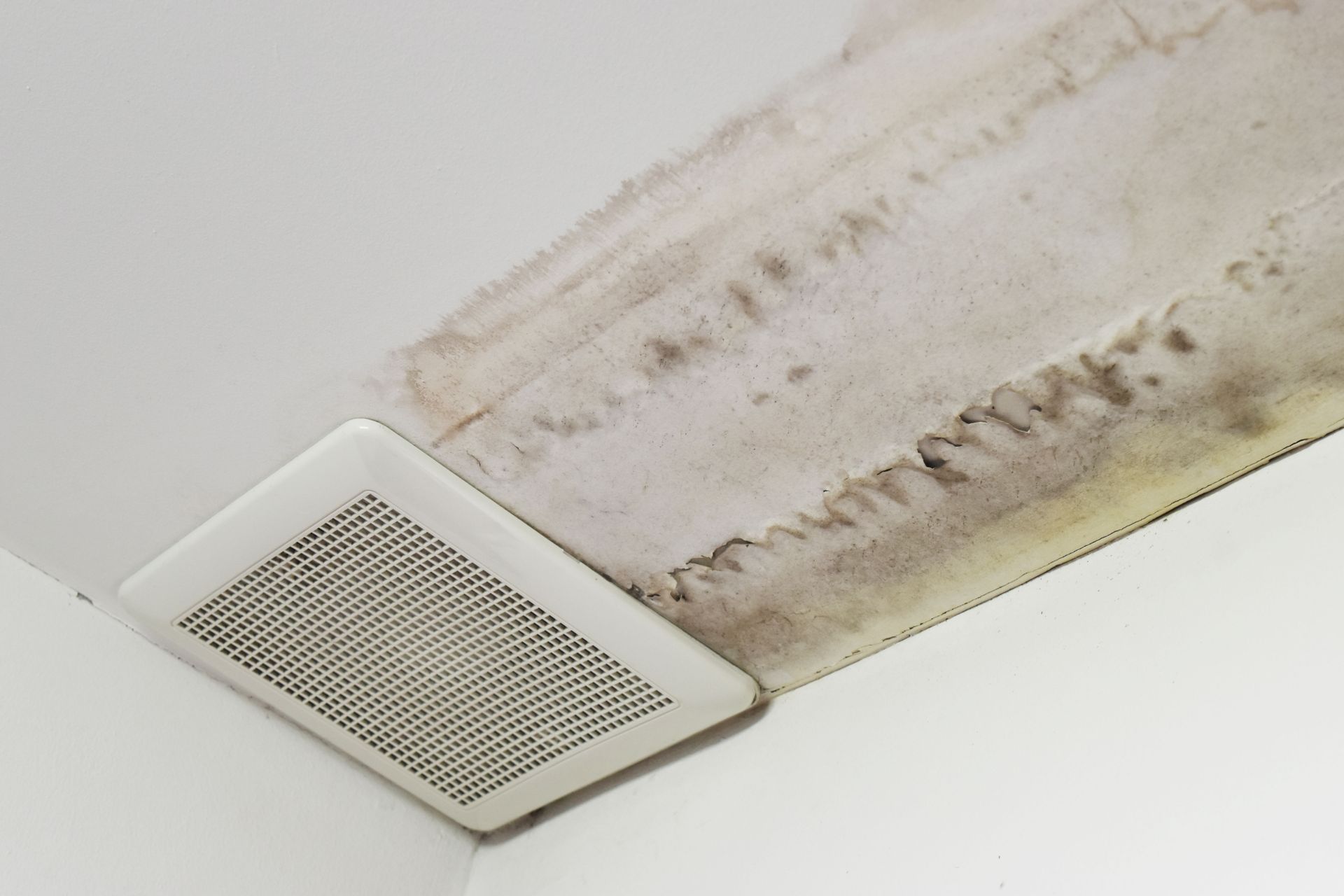
Electrical concerns are only one part of the impact that moisture can have on a property. When water enters walls, ceilings, flooring, and insulation, it can create conditions that support mold growth and continued material deterioration.
According to ZipDo, approximately 25% of insurance claims in the United States in 2024 were related to water damage. This figure highlights how frequently moisture-related incidents affect property owners and why prompt attention is important.
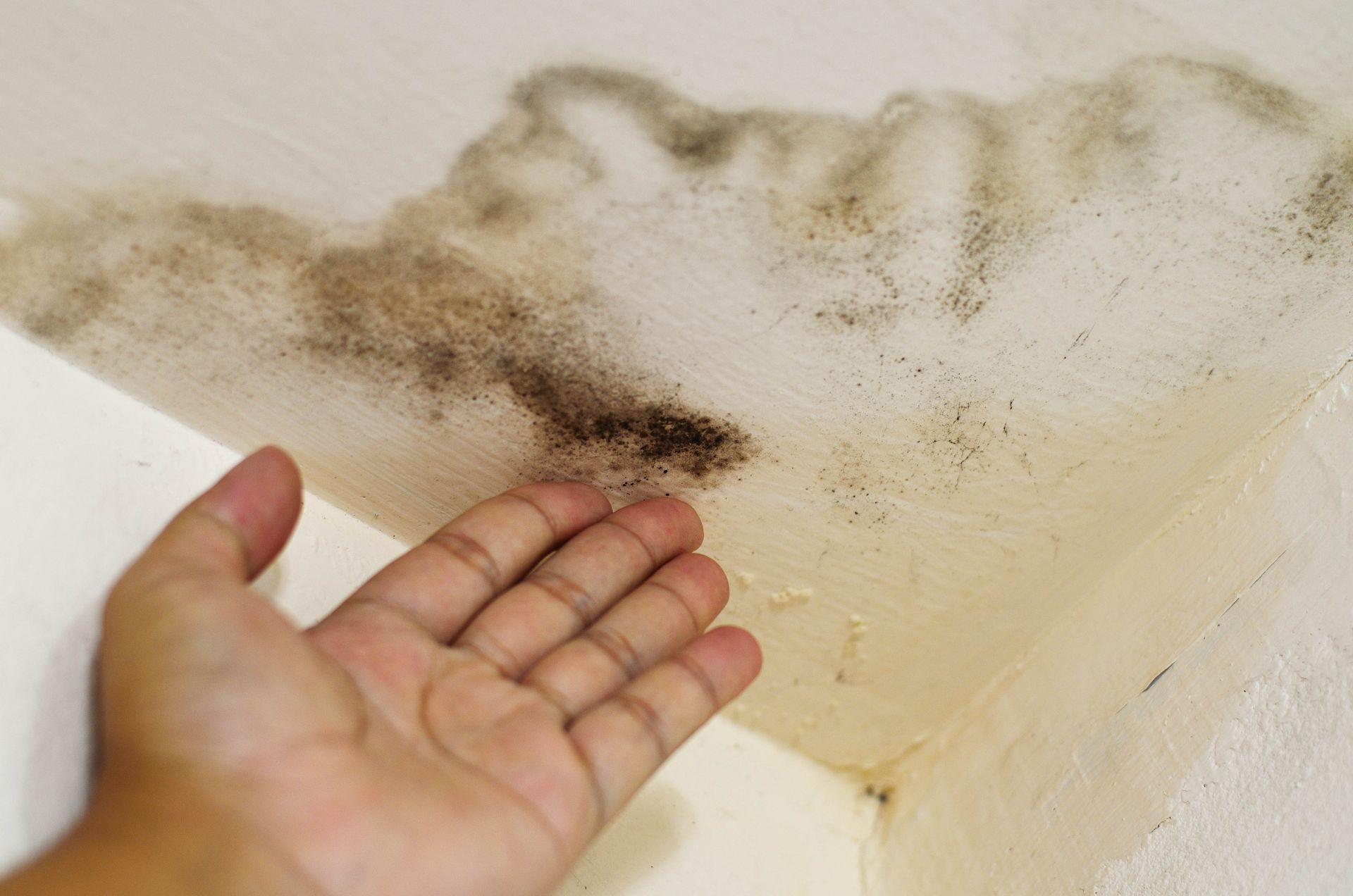
When damp materials are not properly dried, mold may begin developing in affected areas. Moisture can also weaken drywall, damage flooring, and affect wooden framing. These conditions may create additional complications when electrical wiring runs through the affected building materials.
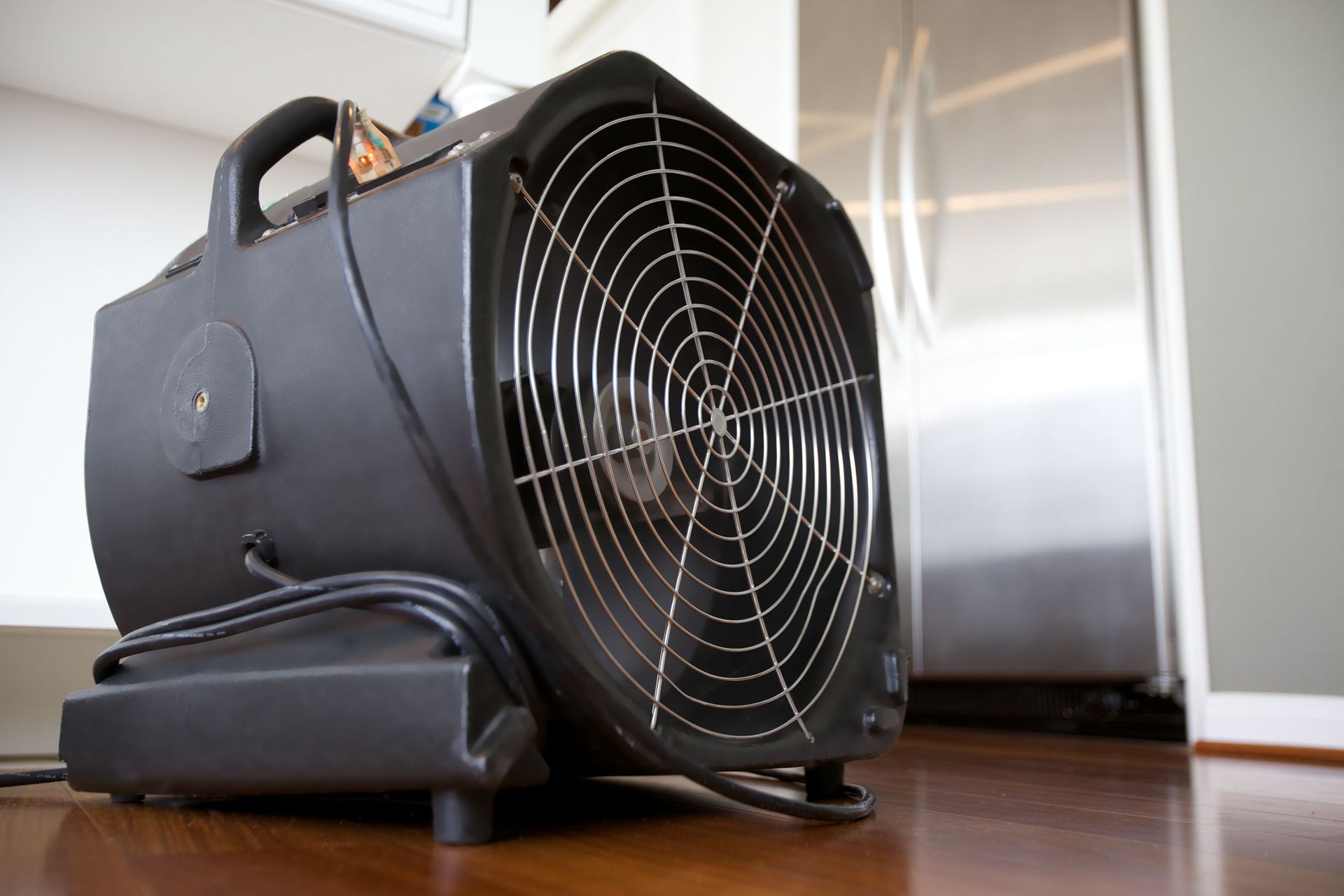
Professional restoration helps address moisture beyond what is visible on the surface. Technicians can assess affected areas, remove standing water, and use specialized drying equipment to reduce moisture in structural materials. JG Restoration provides residential and commercial restoration services, including water and flood damage restoration and mold remediation.
Following Safe Steps After Water Exposure
Taking the right precautions after a leak or flood can help reduce the likelihood of additional damage. However, safety should always come before cleanup or attempts to restore power.
Property owners should take these steps when electrical systems may have been exposed:
- Keep Away From Wet Electrical Equipment: Do not touch outlets, switches, appliances, or electrical panels that may have been exposed to moisture.
- Avoid Restoring Power Yourself: Do not turn breakers back on or reconnect appliances until a qualified electrician has evaluated the affected system.
- Contact Qualified Professionals: Arrange an electrical inspection and contact a restoration company to assess the affected building materials.
- Document Visible Damage: When it is safe to do so, photograph affected areas and damaged belongings for insurance documentation.
- Begin Professional Drying Promptly: Have standing water removed and affected materials evaluated so that moisture does not continue to spread through the property.
Homeowners should also avoid using household fans or other electrical equipment in areas where standing water or wet electrical components may be present. Professional guidance can help determine when the property is safe for cleanup and restoration activities.
Coordinating Electrical Inspections and Property Restoration
Restoring a property after a leak or flood often requires coordination between multiple professionals. An electrician evaluates the safety and condition of the electrical system, while restoration technicians address moisture and damage to the building itself.
This distinction is important because drying a room does not automatically resolve electrical problems. Likewise, repairing an electrical component does not address moisture trapped inside drywall, flooring, insulation, or other materials.
A coordinated approach helps ensure that both concerns receive appropriate attention. Restoration professionals can identify areas where moisture may have spread, remove affected materials when necessary, and use drying equipment to address damp structural components. An electrician can then determine whether exposed wiring, outlets, panels, or appliances can be safely returned to service. Addressing water damage promptly helps restoration teams identify hidden moisture, coordinate necessary drying, and reduce the chance of recurring problems.
JG Restoration offers 24/7 emergency restoration services for residential and commercial properties throughout Northeast and Central Wisconsin. Its services include water and flood damage restoration, structural restoration, and mold remediation. The company also works with insurance carriers and helps property owners navigate the restoration process.
Protecting Your Property From Lasting Electrical Damage
Moisture can affect electrical systems long after a leak or flood appears to be resolved. Corrosion, damaged insulation, faulty connections, and moisture trapped within building materials can pose ongoing concerns if not addressed properly. Property owners should never assume that electrical equipment is safe simply because visible water has been removed.
Professional electrical inspections and thorough property restoration help address both immediate hazards and hidden moisture concerns. Prompt water damage restoration can also reduce lingering moisture, protect structural materials, and help prevent secondary problems. Contact JG Restoration for prompt restoration assistance when water affects your home or business.


Share On: