What Happens During a Professional Fire Damage Inspection?
After a fire, assessing the damage to your home or business can feel overwhelming. Beyond visible charring and burned materials, smoke, soot, and water from firefighting efforts can affect areas that appear relatively untouched. A professional inspection helps identify these problems, evaluate safety concerns, and determine the work needed to begin restoring the property. Understanding what happens during this process can help you prepare for the next steps and make informed decisions about your recovery.
Understand the Purpose of a Fire Damage Inspection
A professional fire damage inspection evaluates a property's condition after a fire and identifies damage that requires attention. Although some problems are immediately visible, others may be concealed behind walls, beneath flooring, or inside ventilation systems.
According to the National Fire Sprinkler Association, modern homes can burn up to eight times as quickly as older homes, leaving occupants less than three minutes to escape after a smoke alarm sounds. This emphasizes the importance of fire prevention and early detection. Once a fire has been extinguished and authorities have cleared the property for entry, a professional assessment can help determine the extent of the damage and the appropriate restoration priorities.
A qualified fire restoration business evaluates more than the areas directly affected by flames. The inspection may also identify smoke residue, lingering odors, moisture intrusion, and structural concerns. These findings help establish a restoration plan that addresses both immediate hazards and less obvious damage.
Evaluate Structural Safety and Visible Damage
One of the first priorities during an inspection is determining whether the property can be entered safely. Fire can weaken building materials, damage support structures, and compromise areas that initially appear stable.
Restoration professionals look for signs of damage affecting the roof, ceilings, walls, floors, and other structural components. They may also identify broken windows, damaged doors, and openings that leave the property exposed to weather or unauthorized entry.
The inspection may include checking for:
- Charred or weakened wood framing and other structural materials.
- Cracked walls, damaged ceilings, and compromised flooring.
- Roof damage or openings caused by flames and firefighting activities.
- Damaged doors and windows that may require emergency board-up services.
- Visible hazards that need further evaluation by qualified specialists.
Not every structural concern can be confirmed during an initial visual assessment. When necessary, additional evaluations may be recommended before repair or reconstruction begins. A professional fire restoration business can use these findings to determine whether parts of the property require immediate stabilization.
Homeowners should never enter a fire-damaged building until emergency personnel have confirmed it is safe to do so. Even after clearance, damaged structures and hidden hazards may remain.
Identify Smoke, Soot, and Odor Damage
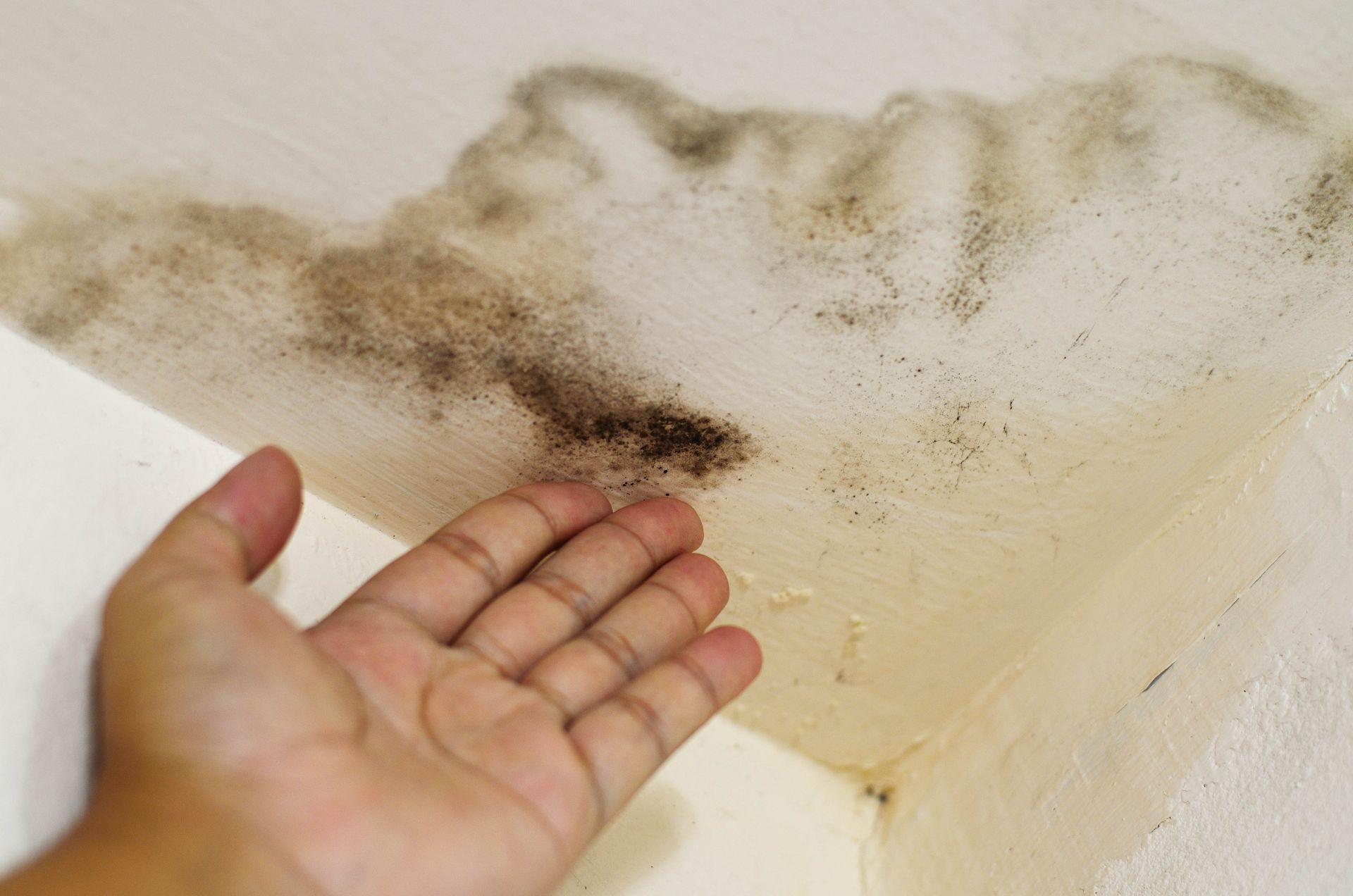
Fire damage extends beyond the areas touched by flames. Smoke travels through a building, carrying particles that can settle on walls, ceilings, furniture, clothing, and other belongings. Depending on the fire, smoke residue may also spread through ventilation systems and into adjoining rooms.
During the inspection, restoration professionals assess the location and severity of soot deposits and smoke-related discoloration. They consider which materials have been affected and what cleaning methods may be appropriate.
Smoke residue can be particularly difficult to remove because different materials react differently to heat and combustion byproducts. Some surfaces may be cleaned, while others may require replacement if the damage is too extensive.
Odors are another important consideration. Smoke can penetrate porous materials, including upholstery, carpeting, and certain building components. Simply opening windows or using household air fresheners may not address the underlying source.
An experienced fire restoration business evaluates the affected materials to determine the appropriate cleaning and deodorization methods. Identifying these concerns early helps prevent overlooked smoke damage from becoming a problem after other restoration work is complete.
Assess Water Damage and Moisture Concerns
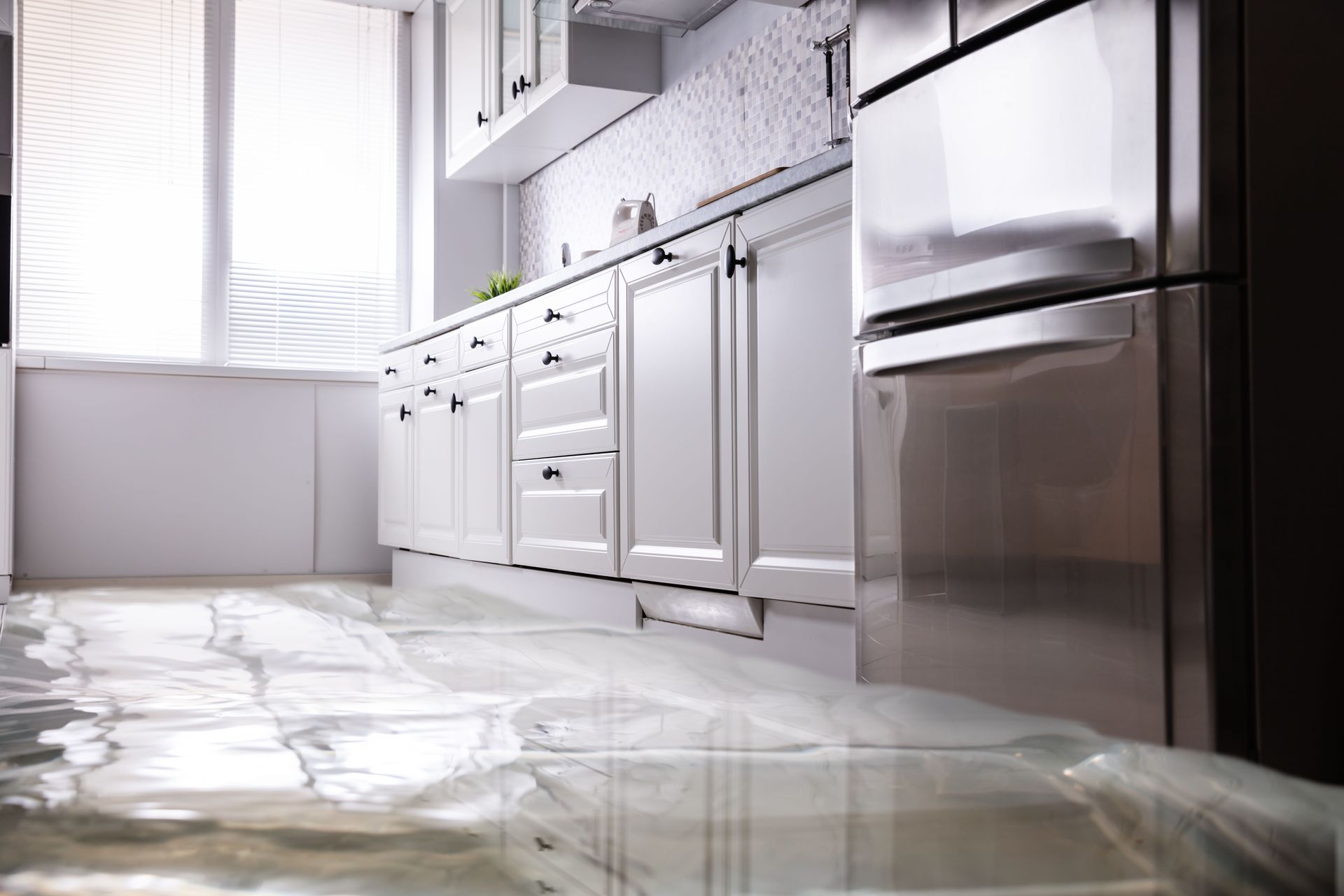
Fire suppression often introduces another source of property damage: water. Firefighters may use substantial amounts of water to extinguish flames, and that moisture can spread into floors, walls, insulation, and other building materials.
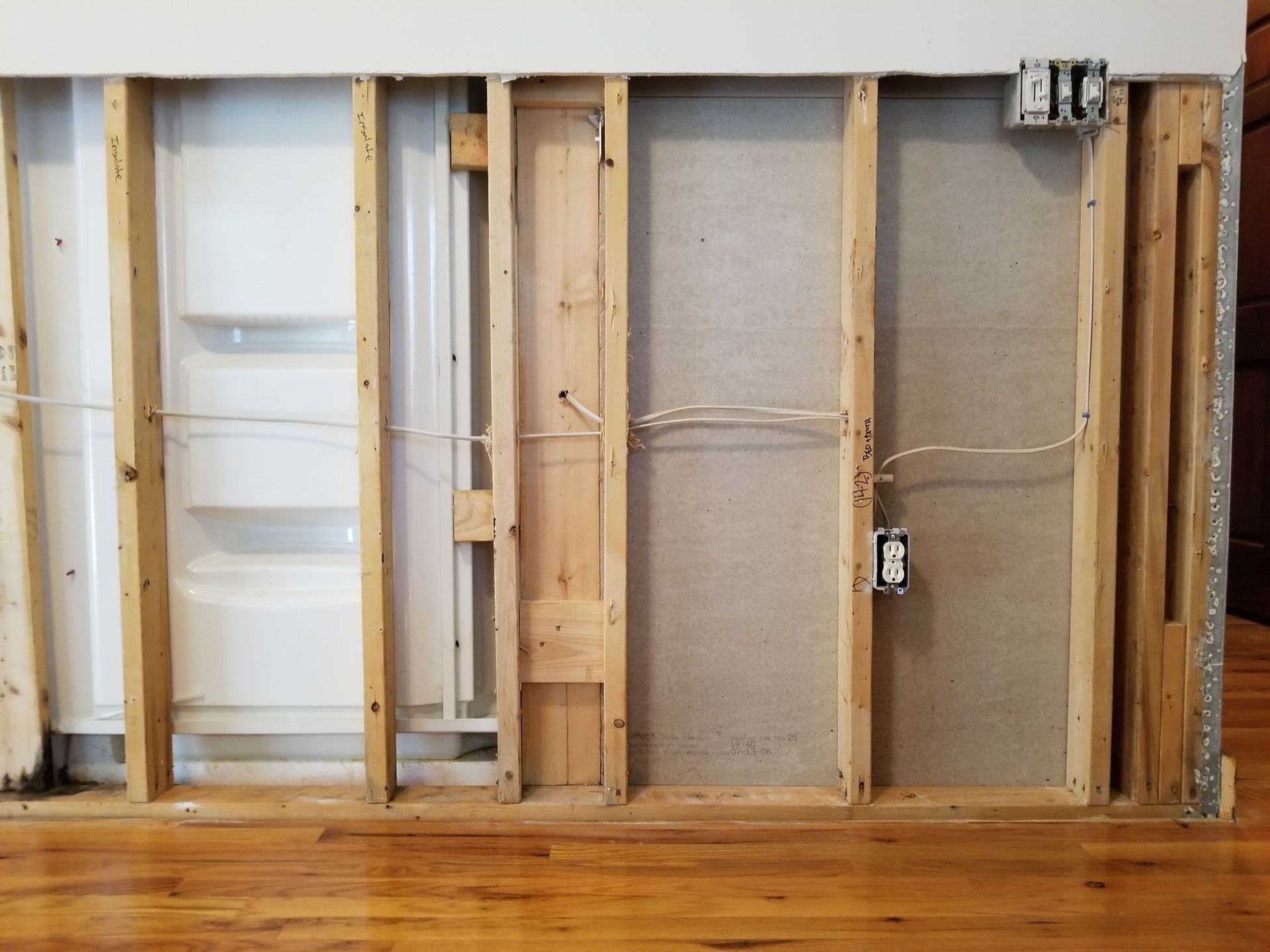
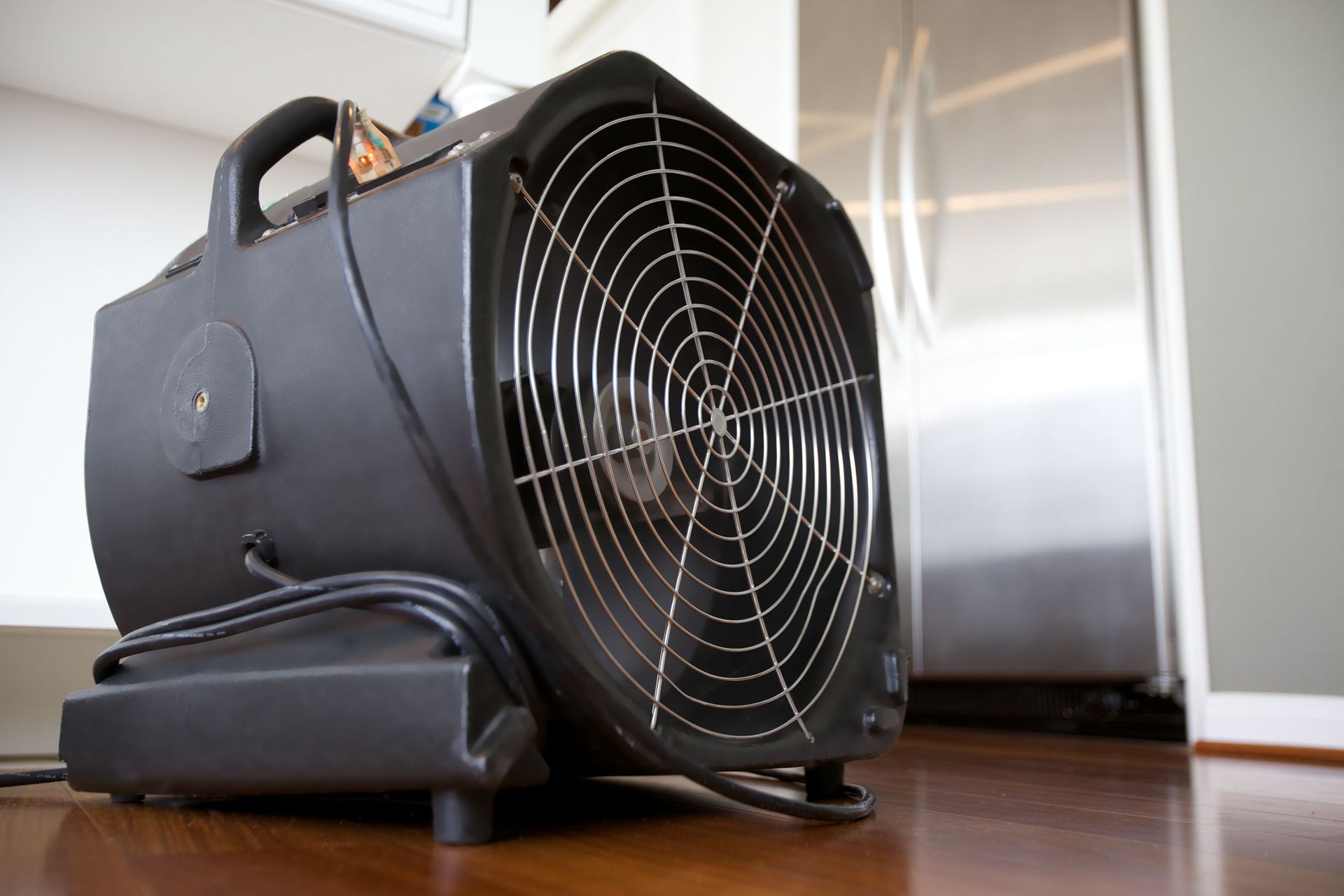
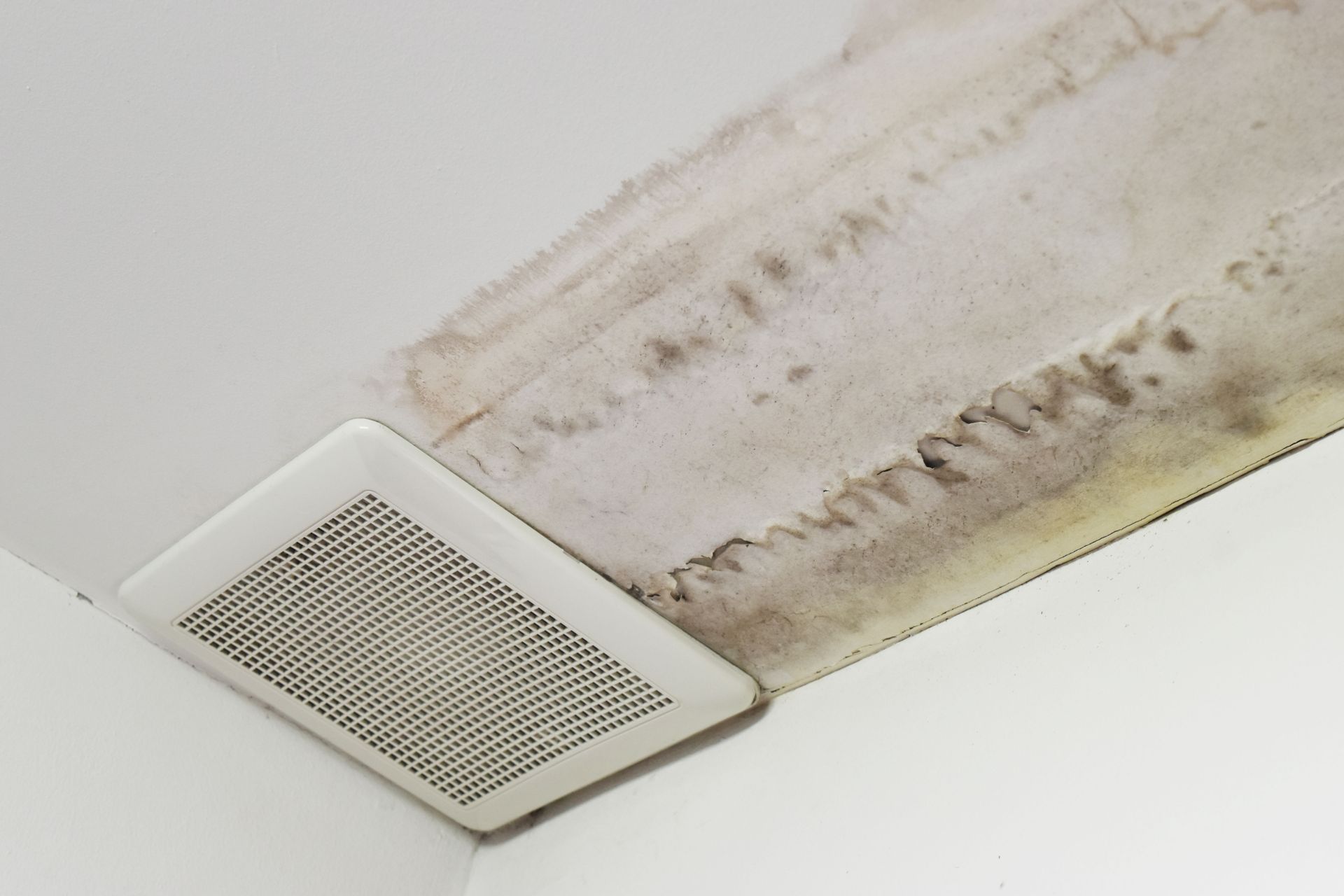
During the inspection, professionals look for visible water accumulation, damp materials, staining, and other signs of moisture intrusion. They may use specialized moisture-measuring equipment to identify affected areas that are not obvious during a visual inspection.
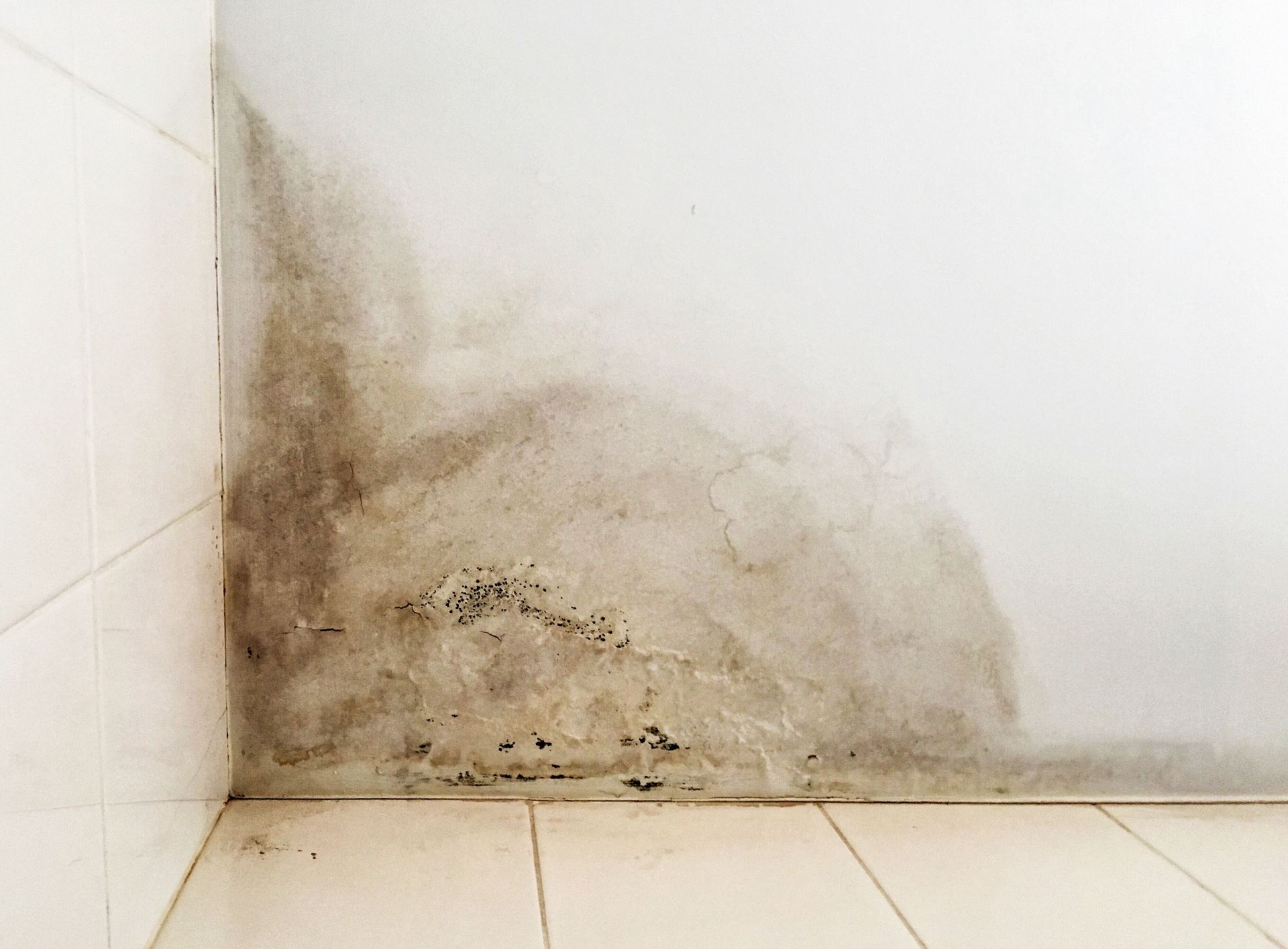
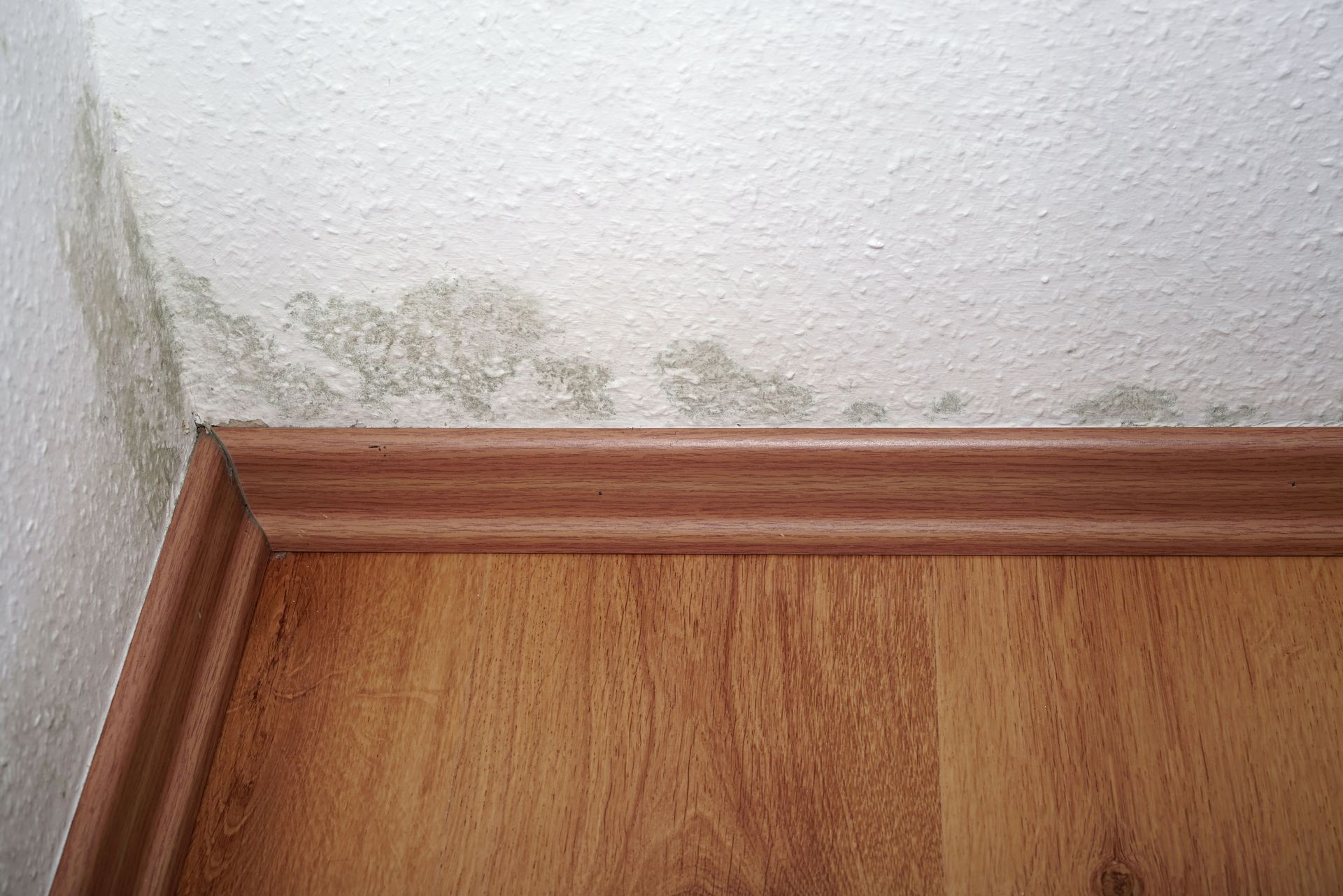
Water damage warrants prompt attention because prolonged moisture can weaken materials and create conditions conducive to mold growth. Areas behind walls, beneath flooring, and inside cabinets may need additional evaluation to determine whether moisture has become trapped.
JG Restoration provides water damage restoration and mold remediation services, which may be relevant when an inspection identifies these related concerns. Addressing moisture alongside fire and smoke damage helps establish a more complete restoration plan.
Document the Damage and Affected Belongings
Accurate documentation is an important part of the inspection process. Photographs, written observations, and detailed notes help establish the property's condition and identify any necessary work.
Restoration professionals typically document damaged building materials, affected rooms, visible soot, smoke residue, and water intrusion. They may also identify belongings that appear salvageable and items that require specialized cleaning or further assessment.
This information can support communication with your insurance company and help establish the scope of restoration work. However, the final coverage decision depends on your insurance policy and insurer.
A fire restoration business may also help organize information needed for the claims process. JG Restoration works with insurance carriers and adjusters and provides documentation to support the restoration process.
If possible, homeowners should keep relevant insurance documents and any available photographs of the property taken before the fire. Avoid discarding damaged belongings before documenting them and discussing the next steps with your restoration team and insurance provider.
Develop a Restoration Plan and Estimate
Once the inspection is complete, the findings are used to develop a plan to address the damage. The scope of work depends on the fire's severity, the materials affected, and whether smoke, soot, or water has spread beyond the original area.
The restoration plan may include several stages:
- Emergency stabilization: Securing exposed areas with board-up services and addressing immediate property concerns.
- Damage mitigation: Taking appropriate steps to limit additional damage and protect salvageable materials.
- Cleaning and deodorization: Removing soot and smoke residue and treating affected materials.
- Contents cleaning: Assessing, packing, and cleaning belongings that may be recoverable.
- Reconstruction: Repairing or rebuilding damaged walls, ceilings, floors, and other building components as needed.
Not every property requires every service. A professional fire restoration business develops recommendations based on the actual inspection findings rather than assuming every fire causes the same type or degree of damage.
Prepare for the Inspection and Next Steps
Although a fire can disrupt normal routines, a few practical steps can help make the inspection process more organized. First, follow instructions from emergency personnel and do not enter the property until it has been cleared for access.
Before the inspection, gather any available insurance information and prepare a list of questions about the damage, safety concerns, and restoration timeline. If you have photographs or records of valuable belongings, keep them available for reference.
It is also helpful to ask the restoration professional about the following:
- Which areas of the property need immediate attention?
- Are there structural or moisture concerns requiring further evaluation?
- Which belongings may be cleaned and restored?
- What services are recommended, and what does the estimate include?
- How will the restoration team coordinate with the insurance adjuster?
Choosing an experienced fire restoration business can help you navigate these decisions with greater clarity. Prompt communication and thorough documentation make it easier to understand what needs to happen and how the restoration process will move forward.
Restore Your Property With Professional Support
A professional fire damage inspection provides a clearer picture of what happened to your property and what it will take to restore it. By evaluating structural concerns, identifying smoke and soot damage, checking for moisture, and documenting affected materials, restoration professionals can develop a plan tailored to the property's condition. Working with an experienced fire restoration business can help you address damage promptly, reduce the risk of additional problems, and prevent overlooked issues from delaying recovery.
If your home or business has experienced fire or smoke damage, contact JG Restoration to schedule an inspection and discuss the next steps toward restoring your property.



Share On: