Things to Know When Water Damage Occurs
Water damage can be a devastating event for any homeowner. From the immediate disruptions to long-term effects, understanding how to respond is crucial for minimizing damage. This article outlines essential things you need to know when water damage occurs, offering guidance on prevention, response, and recovery. The aim is to help homeowners navigate through the challenges posed by water damage, paving a clearer path towards restoration and safety. By educating yourself on the necessary steps, you can significantly lessen the impact on your home and peace of mind.
1. Identifying the Source of Water Damage
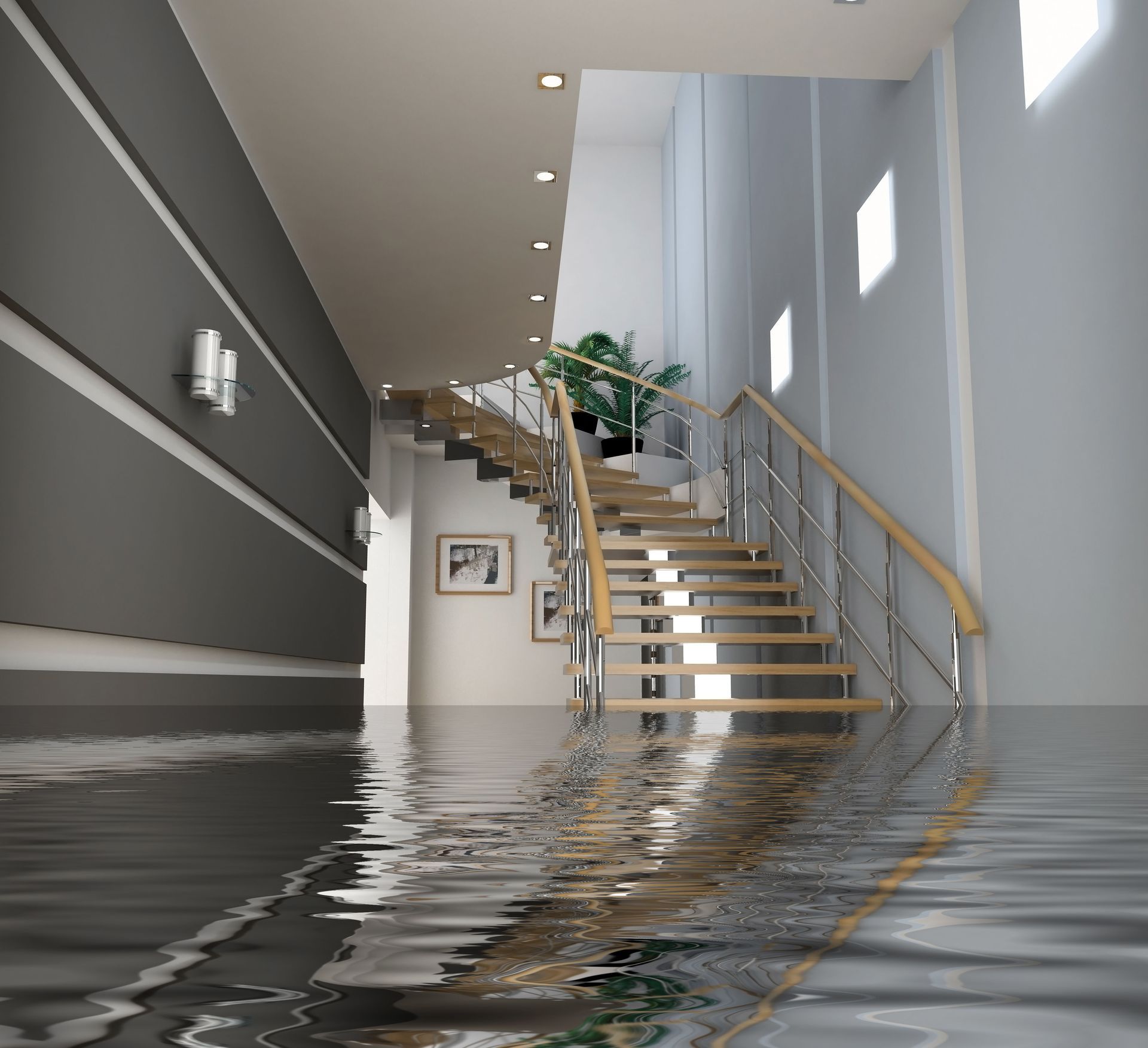
Water damage can originate from numerous sources, each posing unique challenges. Common causes include burst pipes, leaking faucets, and faulty appliances. Weather events such as storms and flooding also significantly contribute to water damage. Identifying the source quickly enables effective intervention and minimization of damage. Additionally, it helps prioritize actions in terms of safety and resource allocation.
It is crucial to differentiate between clean and contaminated water when assessing water damage. Clean water stems from sources like rain or domestic water supplies and presents fewer health risks. In contrast, contaminated water, known as greywater or blackwater, may contain harmful bacteria and pathogens. Proper identification ensures appropriate caution is taken during cleanup to prevent health hazards. Effective containment and disposal of contaminated water are essential steps to safeguard against potential illnesses.
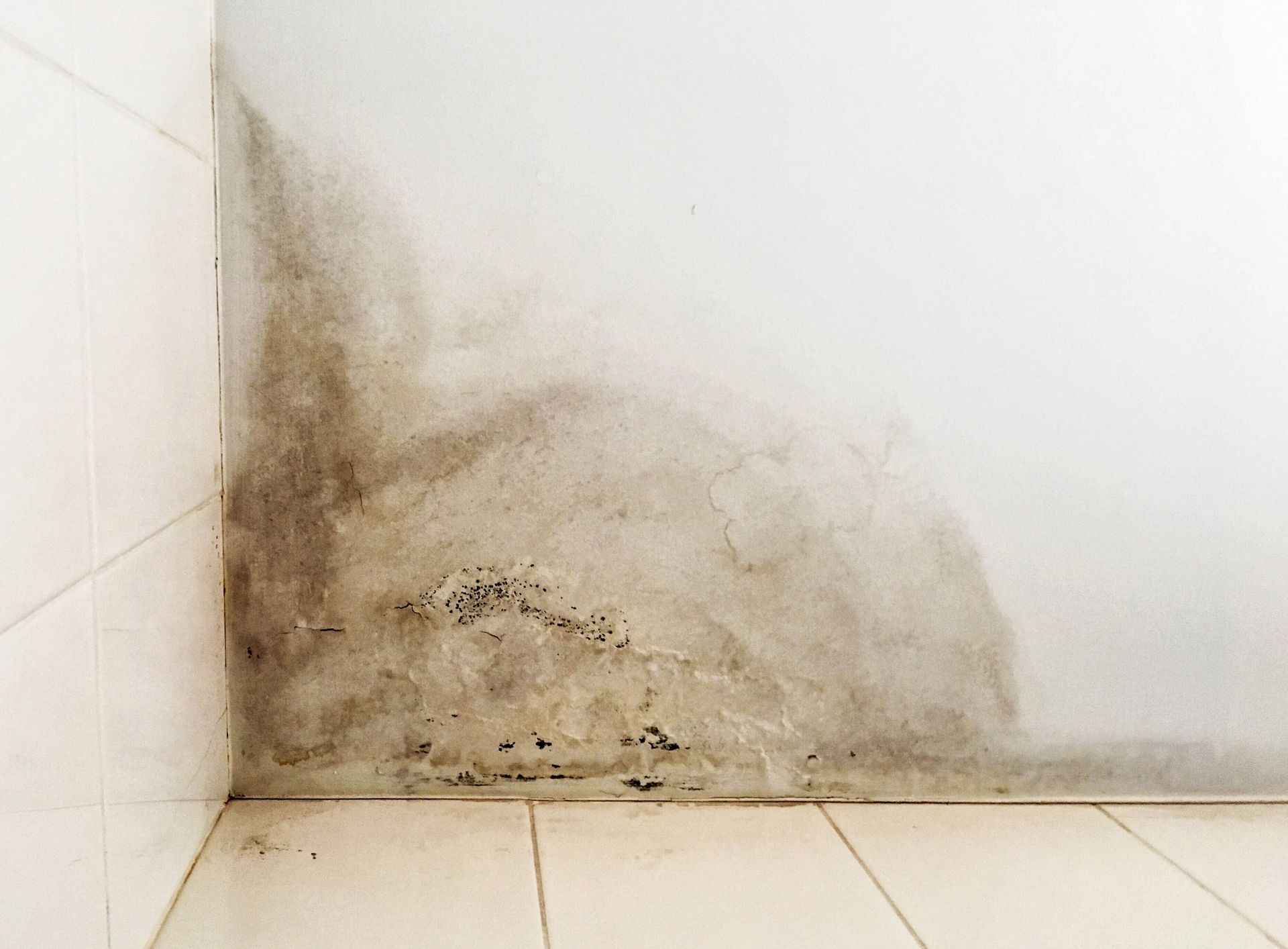
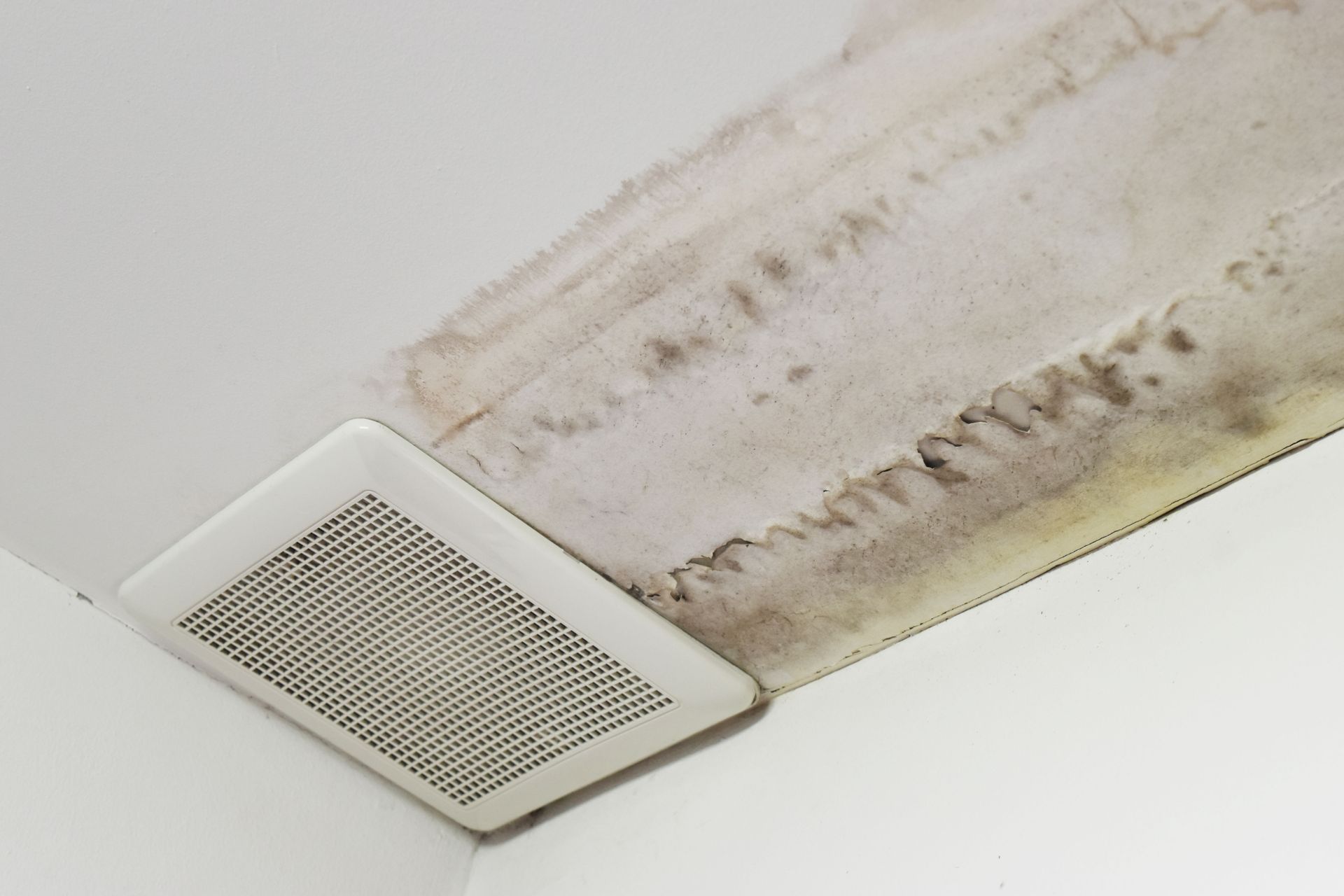
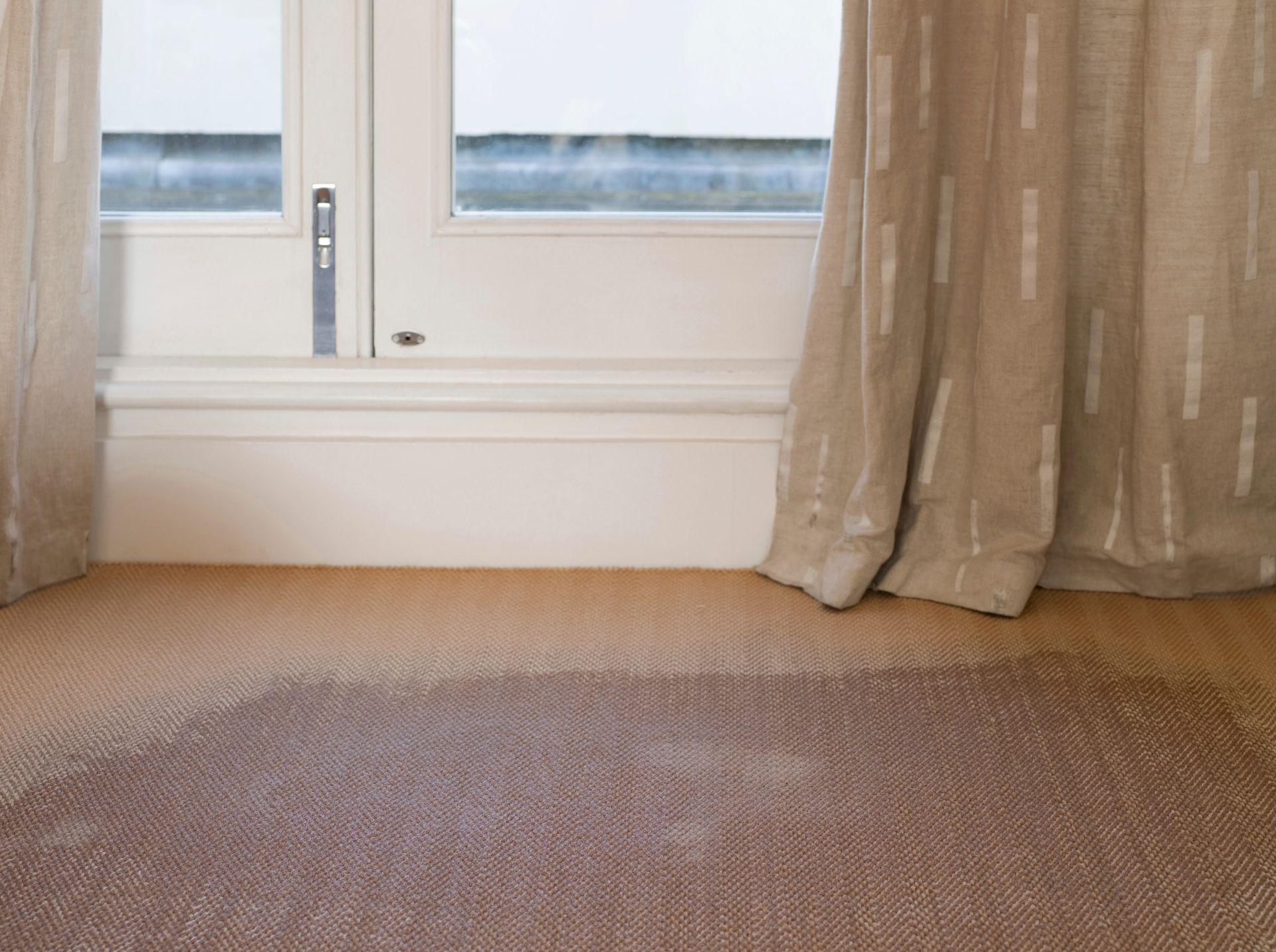
Visible signs of water damage, such as stains or pooling water, are often just the tip of the iceberg. Hidden damage can linger behind walls, under floors, and within ceilings, leading to extensive structural issues over time. Tools such as moisture meters and thermal imaging cameras can be invaluable in detecting these less apparent areas of damage. Conditions like persistent humidity or damp smells indicate the need for thorough investigation. Proactive measures in detecting hidden damage can prevent costly repairs and significant structural weakening.
2. Assessing the Extent of the Damage
Assessment begins with a comprehensive inspection of visible surfaces and structures. Signs like warped flooring, bubbling walls, and peeling paint highlight areas requiring deeper investigation. Professional assessors or specialized equipment, such as moisture meters, can more accurately gauge the moisture content of affected materials. Accurate assessment focuses repair efforts and resources on the most damaged areas. This increases overall efficiency in the damage management and restoration process.
Using moisture meters and sensors provides a detailed understanding of the water’s spread and impact. These instruments pinpoint moisture concentrations within walls, floors, and ceilings. Regular checks with these tools can track changes and improvements during remediation efforts. Addressing high moisture areas early can mitigate the risk of secondary damage, such as mold. Continuous monitoring ensures the issue is fully resolved, preventing further complications.
Recognizing secondary damage is crucial in fully addressing water damage events. Mold growth and wood rot are common consequences that thrive in moist environments. Secondary damage often exacerbates the initial impact, increasing repair costs and time. Swift response through drying and dehumidification helps minimize these effects. Prevent alignment of conditions conducive to secondary damage for holistic restoration.
3. Safety Precautions to Implement Immediately
The intersection of water and electricity elevates risks dramatically during water damage situations. Water exposure to electrical systems can lead to potential electrocution hazards and severe fire risks. Homeowners should shut off electricity in affected areas to ensure this danger is mitigated. Engaging a licensed electrician to inspect electrical elements is crucial before power restoration. This practice secures both safety and compliance with regulatory standards.
Water damage can significantly undermine structural integrity, posing dangers to building occupants. Sagging ceilings or compromised walls suggest the imminence of collapse without intervention. Caution and professional assessment are necessary when water damage leads to visible deflection or cracking. Addressing these areas promptly prevents further deterioration and ensures occupant safety. Structural assessments require skilled professionals for reliable and effective solutions.
Protective gear and cautious practices are non-negotiable when dealing with water damage clean-up. Gear such as gloves, masks, and waterproof boots protect against contaminants and potential hazards. Ensuring safe distances and access controls prevents unauthorized entry into risky areas. Implementing decontamination procedures for clean-up workers and tools is also vital. These measures build a framework for safety throughout the restoration journey.
4. Navigating the Insurance Process
Understanding your insurance coverage greatly affects your water damage recovery process. Policies vary, so knowing the specific details is essential to avoid claim disputes. Documenting everything, including pictures and receipts, facilitates a smoother claims process. Homeowners often underestimate the value of thorough documentation until it's too late. Remember, insurance is a contract, and knowing your rights helps in securing deserved compensation.
The insurance claims process may appear daunting, but knowing the steps simplifies the experience. Begin by contacting your insurance company immediately after the damage is identified. They will likely send an adjuster to assess the damage, who will guide the next steps. Being prepared with documentation and questions during this assessment ensures clarity. Each step in the process must be followed diligently to maximize your claim potential and speed up reimbursement.
Working directly with insurance adjusters requires a strategic approach to safeguard your interests. Clarity and detail in communicating the event and damage extent provide a solid groundwork for claims discussion. Adjusters will be more accommodating with substantial proof and honest assessments of the damage. Homeowners can seek outside validation from remediation experts if disputes arise. This adds an extra layer of credibility to negotiations.
5. Effective Water Damage Restoration Techniques
Water extraction and drying are foundational techniques in the restoration process. Swift removal of standing water with specialized equipment reduces ongoing exposure and damage. Industrial grade dehumidifiers and fans expedite the drying process, decreasing the conditions favorable to mold. Immediate intervention minimizes repair costs and limits the disruption to daily life. Speed is critical in not only restoration efficiency but also environmental safety.
Mold remediation is vital soon after water damage to prevent health issues and further property decay. Mold growth begins rapidly, and its mitigation demands prompt and precise actions. Certified professionals can manage mold safely, reducing spore spread and contamination. Methods such as sealing off impacted areas and using air-scrubbing technology help contain outbreaks. According to ZipDo, 25% of all insurance claims in the U.S. relate to water damage, emphasizing the importance of proficient remediation practices.
Restoration of walls and flooring necessitates both repair and preventative measures. Deciding between repairs and replacements hinges on factors like damage extent and cost considerations. Mold-resistant materials and waterproof barriers enhance future resilience. Efficient restoration prioritizes high-traffic areas prone to wear and damp conditions. Engaging specialists in material suitability and installation assures longevity.
Addressing water damage effectively requires a comprehensive understanding of the various factors involved. From identifying the source and ensuring safety to restoring your property and preventing future damage, each step plays a critical role. By staying informed and prepared, homeowners can significantly mitigate the impact of water damage on their homes and lives. It’s essential to consider both immediate actions and long-term strategies in your recovery and prevention efforts. Comprehensive planning now positions you to respond swiftly and effectively in the face of any future water damage incidents. Be sure to reach out to JG Restoration today to learn more about our professional
water damage
services. We look forward to hearing from you!



Share On: