Understanding Water Damage Classes and Repair Costs
Unresolved water damage rapidly compromises structural stability while creating severe environmental hazards across residential and commercial properties. Building owners frequently encounter liquid intrusion problems stemming from severe weather events, broken municipal water mains, or overflowing indoor appliances. Identifying moisture issues early helps property owners mitigate material deterioration, prevent internal framework decay, and limit significant health hazards associated with widespread microbial growth.
Understanding how restoration experts evaluate moisture severity allows property owners to anticipate financial obligations and projected recovery timelines accurately. Accurate classification streamlines communication between building managers, cleanup crews, and insurance carriers during active recovery efforts. Taking proactive measures when managing building components affected by unexpected moisture intrusion ensures swift recovery while protecting long-term real estate value, occupant safety, structural durability, and overall indoor environmental health.
Identify Common Contamination Factors
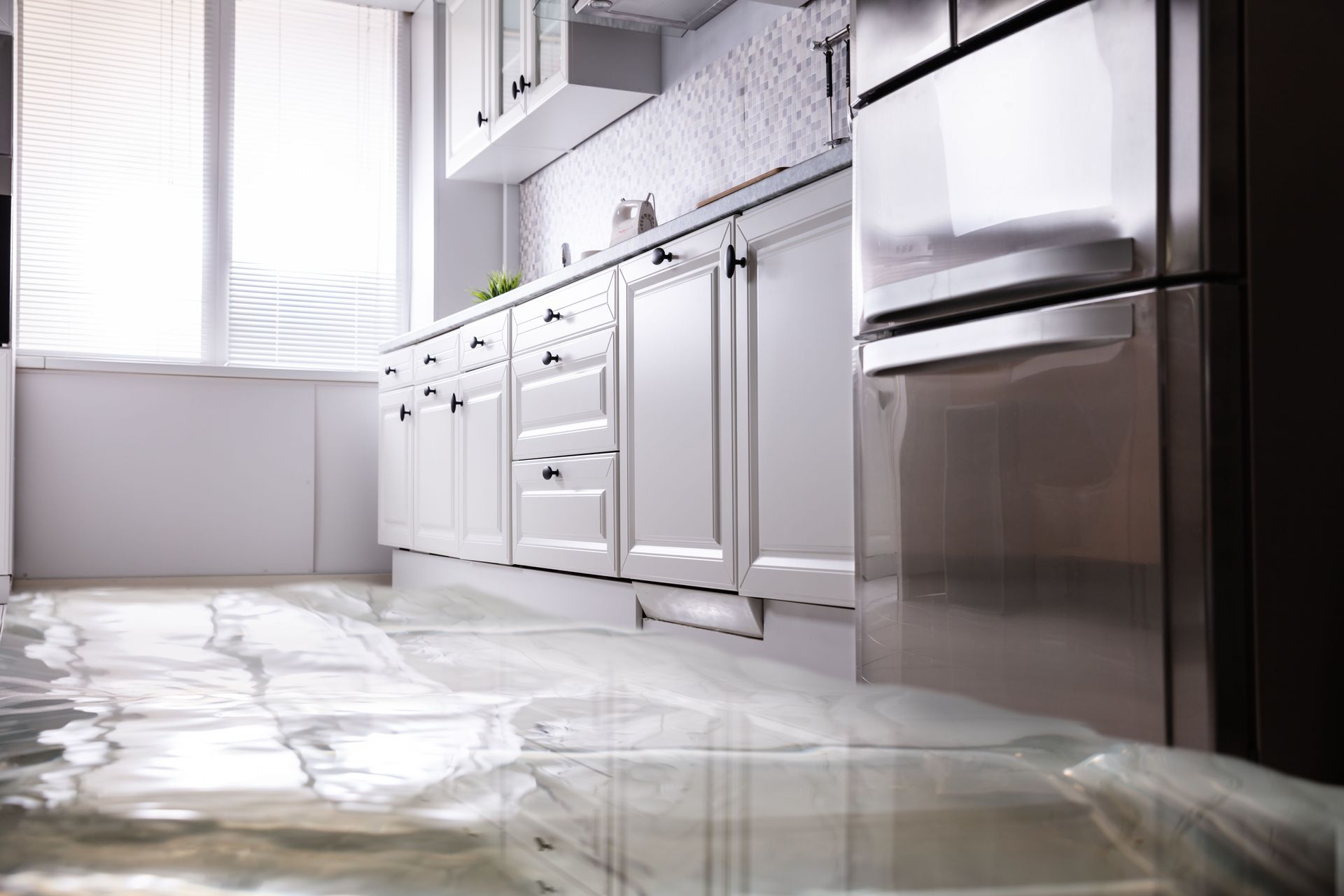
Material degradation caused by liquid saturation alters physical properties across structural building assemblies, causing wooden framing to rot, metal fasteners to corrode, and drywall sheets to crumble completely. Natural occurrences like heavy rainstorms, coastal surges, and localized river flooding introduce substantial volumes of liquid, whereas internal plumbing ruptures cause targeted, high-velocity saturation. Quickly locating the primary source of incoming moisture halts ongoing intrusion and establishes a clean, manageable starting point for comprehensive structural restoration.
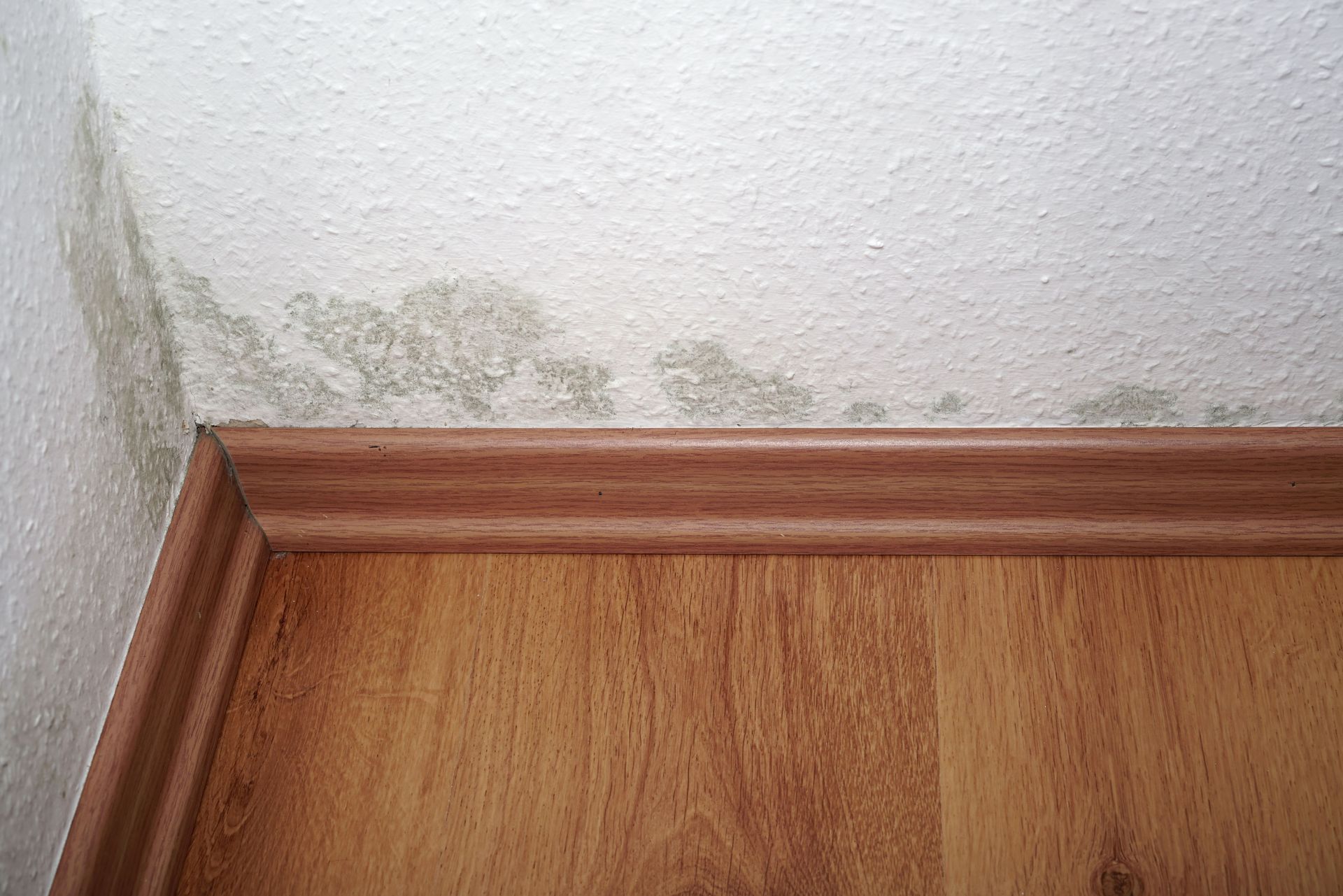
Short-term moisture exposure causes noticeable surface staining, upholstery discoloration, and material swelling across affected interior spaces. Extended moisture saturation creates severe secondary problems, including aggressive fungal growth and deep structural destabilization throughout supporting building assemblies. Addressing liquid saturation immediately prevents long-term water damage, preserves internal property value, and shields occupants from hazardous airborne contaminants that thrive in persistently damp indoor conditions.
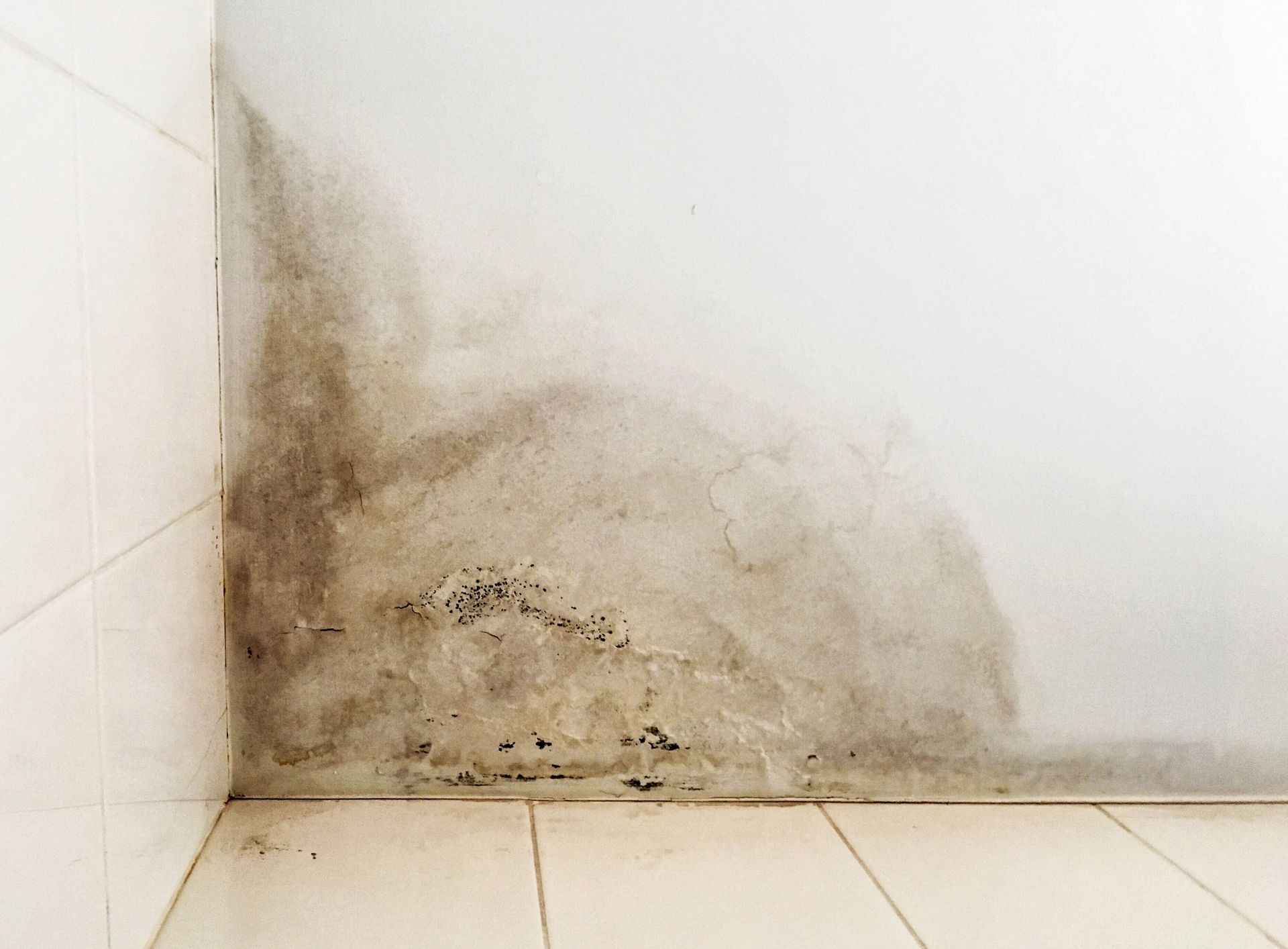
Microbial growth thrives in damp indoor environments, releasing airborne spores that trigger respiratory irritation and allergic reactions among building residents. Exposure to heavily contaminated liquid sources, such as sewage line backups or outdoor floodwaters, introduces harmful pathogens, viral agents, and dangerous biohazards into living environments. Rapid environmental containment, thorough fluid extraction, and professional sanitation eliminate these biological risks, ensuring complete occupant safety throughout the entire restoration process.
Classify Specific Exposure Categories
According to HomeGuide, industry professionals categorize water damage severity into distinct classes, identifying Class 1 as the simplest to remediate and Class 4 as the most severe and financially demanding. Class 1 situations involve minimal moisture absorption affecting only a small portion of a room, requiring straightforward drying protocols and minimal material replacement to complete structural repairs.
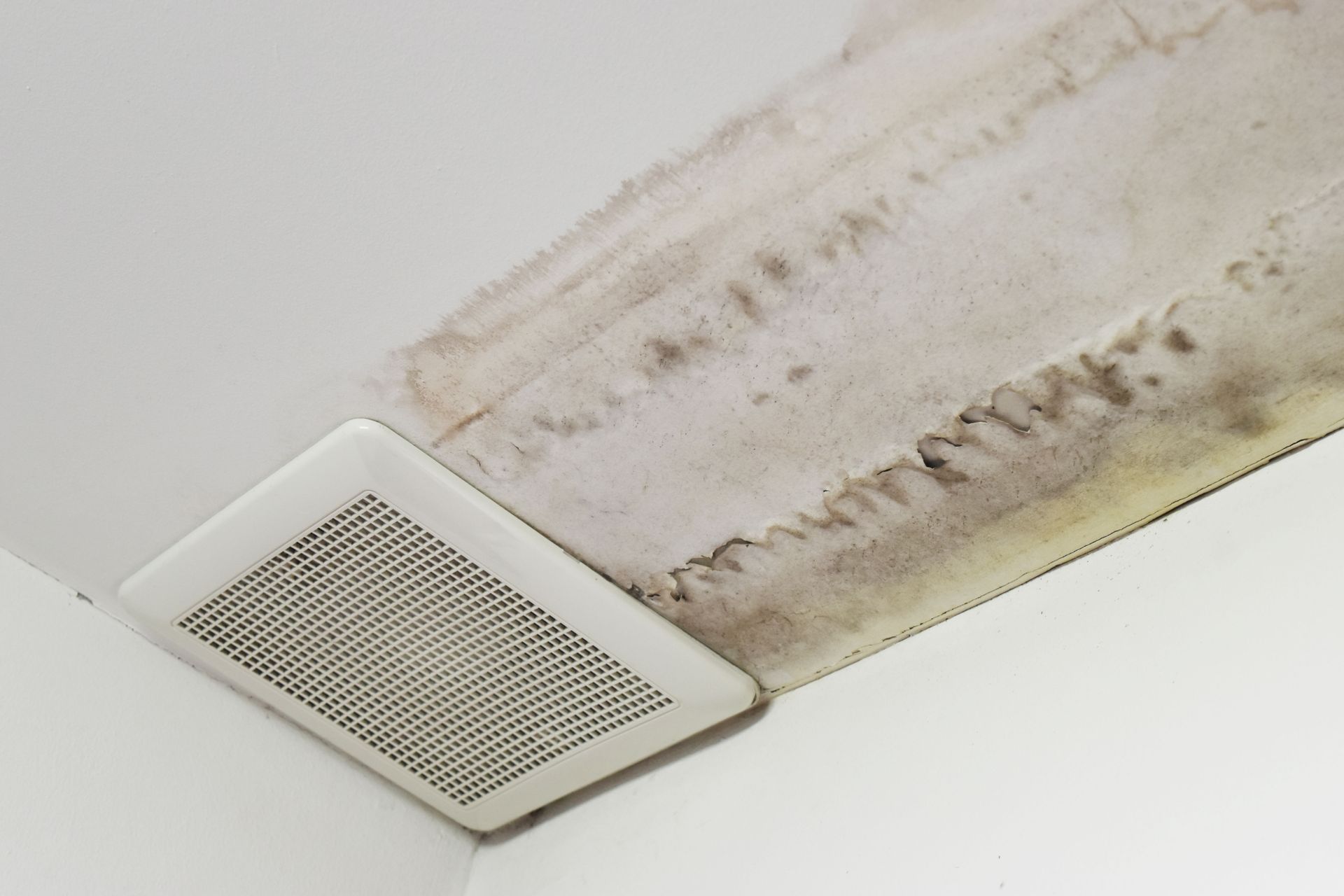
Class 2 scenarios involve significant liquid absorption throughout an entire room, with moisture migrating up vertical wall surfaces and thoroughly saturating wall-to-wall carpeting and underlying padding. Class 3 events feature severe overhead saturation affecting ceilings, drywall, subflooring, and structural insulation, demanding commercial desiccant dehumidifiers alongside extensive demolition of saturated wall assemblies.
Class 4 involves specialty drying situations where moisture deeply saturates non-porous or dense construction materials like solid hardwood flooring, structural concrete slabs, structural brickwork, and historic plaster. These critical scenarios require advanced drying technology, targeted heat applications, and extended drying schedules to pull deeply trapped moisture from structural assemblies. Proper classification dictates equipment selection, labor allocations, specialized restoration protocols, and overall project timelines.
Assess Structural Moisture Impacts
Thorough diagnostic reviews locate hidden water damage before structural framing collapses or finished interior surfaces deteriorate completely. Visual inspections provide the initial baseline evaluation, allowing technicians to identify surface discoloration, material warping, structural sagging, and visible mold growth clearly. Restoration teams inspect interior walls, ceiling joints, framing junctions, and flooring transitions to determine exactly how far liquid has traveled from its original entry point.
Advanced moisture detection technology, including infrared thermal cameras and pinless moisture meters, exposes hidden liquid pockets behind finished drywall and beneath subfloors. These non-invasive diagnostic tools measure sub-surface saturation levels, ensuring technicians locate all concealed moisture reservoirs accurately. Utilizing accurate diagnostic tools prevents hidden dampness from causing undetected structural decay, secondary fungal proliferation, material rot, and microbial contamination over long periods.
Evaluating structural integrity ensures compromised load-bearing framing components are identified before physical restoration work begins. Technicians inspect floor joists, support beams, roof trusses, and wall studs for signs of sagging, cracking, or material deflection caused by prolonged moisture exposure. Adhering to recognized industry standards ensures comprehensive evaluation, proper environmental containment, structural safety, and consistent restoration outcomes across every single project.
Execute Professional Restoration Protocols
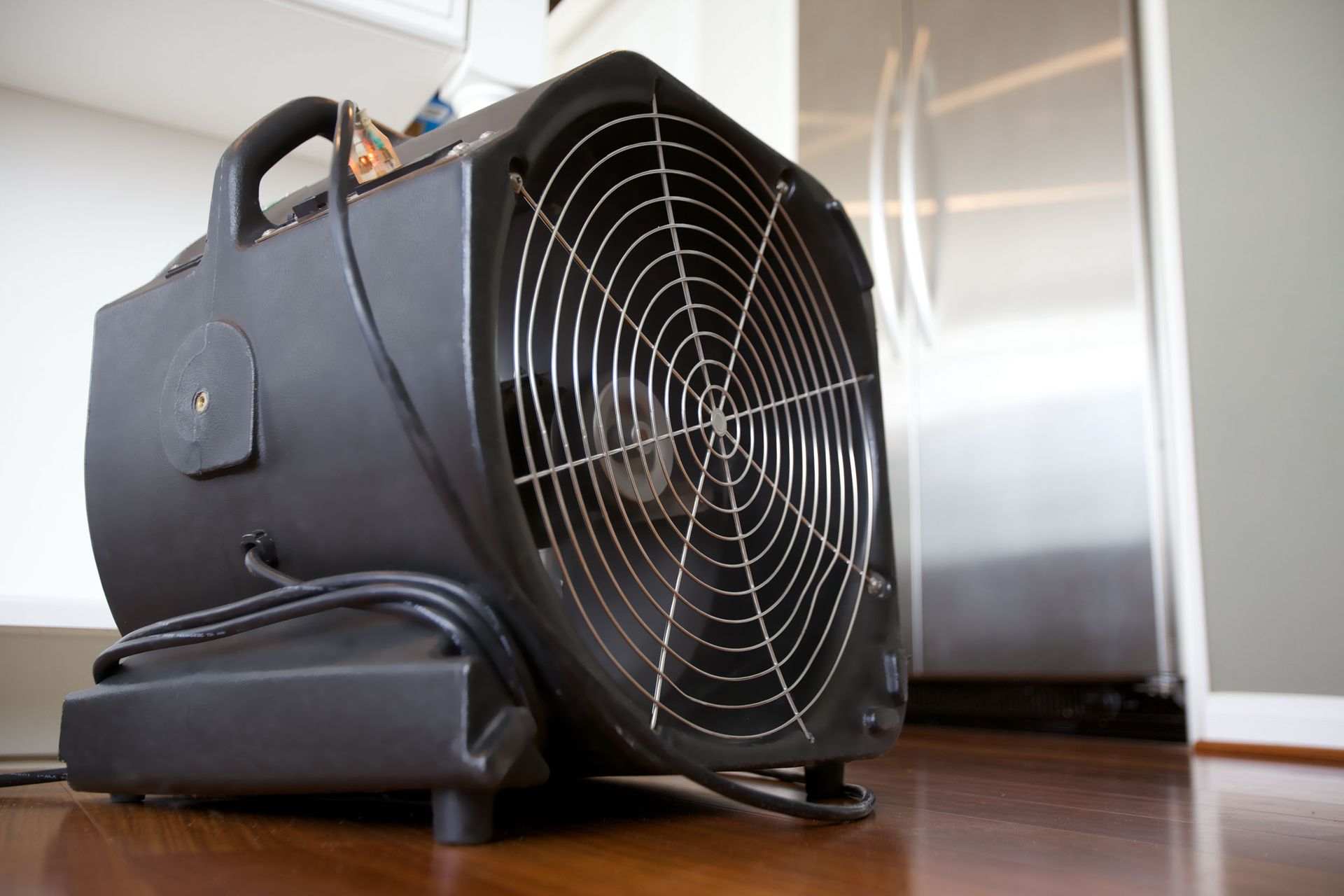
Remediating severe water damage demands commercial-grade extraction equipment, structured drying strategies, and rigorous environmental containment procedures. Initial mitigation steps focus on shutting off active water sources, isolating saturated building zones, and removing unsalvageable porous items like saturated carpet padding and damaged wallboard. Technicians position high-velocity air movers and industrial dehumidifiers to establish controlled evaporation rates throughout affected interior spaces.
Restoration teams carefully evaluate material preservation against total replacement based on structural composition, saturation levels, contamination severity, and sound physical integrity. Cleaning and drying salvageable components conserves original building materials while keeping overall project expenses within manageable limits. Severely degraded or contaminated materials are safely removed and replaced with new construction supplies to restore full structural stability, safety, and aesthetic quality.
Installing preventative assemblies, including waterproof exterior membranes, sump pump systems, and automatic leak detection shutoff valves, protects properties against future moisture problems. Routine building maintenance, routine system checks, seasonal inspections, and prompt plumbing repairs strengthen structures against unexpected pipe failures. Professional restoration contractors ensure all extraction, drying, sanitation, and rebuilding steps comply with regional building codes, municipal guidelines, and strict safety guidelines.
Evaluate Financial Repair Variables
Calculating total expenses for water damage depends on regional labor rates, structural accessibility, and the overall classification level assigned by inspectors. Higher exposure classes demand specialized extraction equipment, extensive labor hours, and prolonged drying protocols, which naturally increases total project expenses. Addressing leaks immediately minimizes structural deterioration, preserves surrounding building elements, limits secondary contamination, and keeps financial obligations within reasonable bounds for property owners.
Standard property insurance policies typically cover sudden plumbing ruptures, but frequently exclude gradual leaks or unaddressed building maintenance issues. Policyholders should document material damage thoroughly, store digital photographs, collect written estimates, and maintain clear communication with insurance adjusters throughout the claims review process. Understanding specific policy provisions helps property owners maximize eligible coverage benefits for necessary structural repairs and total property recovery.
Reviewing historical restoration projects illustrates how prompt intervention strategies successfully suppress overall cleanup expenses for property owners. Rapid fluid extraction prevents deep moisture migration into structural subfloors and wall framing, avoiding expensive structural reconstruction work later. Implementing immediate containment protocols protects financial resources while guaranteeing complete, long-term physical recovery for affected commercial and residential properties.
Mitigating long-term risks associated with water damage protects both property equity, structural integrity, and long-term occupant safety across every single area of your home. Unaddressed moisture problems cause severe structural settling, compromised load-bearing capacity, persistent indoor odors, widespread drywall deterioration, and ongoing indoor health concerns over time. Prioritizing thorough structural drying, professional moisture management, specialized environmental containment, and comprehensive physical repairs protects long-term building longevity, preserves real estate value, and safeguards overall occupant health and well-being for years to come.
Property owners proactively protect their valuable investments by routinely maintaining plumbing networks, inspecting roof integrity, clearing outdoor drainage paths, and repairing minor leaks before major structural failures occur. Partnering with certified restoration experts guarantees complete moisture extraction, professional structural drying, advanced mold containment, and high-quality reconstruction services that fully restore lasting safety and peace of mind. Contact us at JG Restoration to schedule a thorough property evaluation and safeguard your building starting today.


Share On: