Essential Steps to Prevent Costly Residential Water Damage
Water can quickly become one of the most damaging problems a property owner encounters. Plumbing failures, appliance leaks, roof issues, drainage problems, and severe weather can all allow unwanted moisture to enter a home. Once water reaches flooring, drywall, insulation, cabinetry, or other porous materials, the damage can spread beyond the original source. Without professional attention, a seemingly minor leak may develop into a much larger restoration project.
Preventing residential water damage requires more than reacting after water has already entered the property. Regular professional inspections, timely repairs, and immediate restoration services can help protect a home and reduce the potential for extensive damage. In this article, we will explore essential steps homeowners can take with professional help to prevent costly water-related problems.
Schedule Regular Plumbing Inspections
Plumbing systems can develop leaks in places that are difficult to notice during everyday activities. Aging pipes, deteriorating connections, damaged fixtures, and worn supply lines can all create opportunities for water to escape into walls, floors, cabinets, or other areas of a home.
Professional plumbing inspections can identify developing concerns before they result in substantial water intrusion. A qualified professional can examine vulnerable plumbing components and identify signs of leaks, corrosion, deterioration, or other issues that may require attention.
Regular maintenance is especially important in older homes or properties that have experienced previous plumbing problems. Identifying a developing issue early can help prevent a sudden failure that results in extensive residential water damage.
Monitor Water-Using Appliances
Household appliances that use water can become unexpected sources of leaks. Washing machines, dishwashers, refrigerators with water connections, and water heaters all contain components that may eventually deteriorate or fail.
Professional inspections can help identify aging connections, worn components, or other concerns before they result in significant water intrusion. When an appliance begins showing signs of a leak, professional service should be arranged promptly rather than allowing the issue to continue.
Because appliances are often located near cabinets, walls, and flooring, even a relatively small leak can affect multiple materials. Prompt attention can help reduce the potential for residential water damage and the restoration work that may follow.
Maintain Gutters and Exterior Drainage
Water damage does not always originate inside a home. Poor exterior drainage can direct rainwater toward the foundation, increasing the risk of moisture entering basements, crawl spaces, or lower levels of a property.
Professional property maintenance can help identify drainage concerns, clogged or damaged gutter systems, improperly positioned downspouts, and other conditions that may contribute to water intrusion. Keeping exterior drainage systems functioning properly helps direct precipitation away from vulnerable areas of the home.
Because heavy rainfall can quickly overwhelm inadequate drainage, addressing concerns before severe weather arrives can be an important part of a broader residential water damage prevention strategy.
Arrange Professional Roof Inspections
Roof damage can create pathways for water to enter a home during rain or severe weather. Missing or damaged shingles, deteriorated flashing, damaged roof penetrations, and worn seals can all contribute to leaks.
Professional roof inspections can identify areas that require maintenance or repair before they lead to interior water intrusion. This is particularly important when a roof is aging or has recently experienced significant weather exposure.
Water entering through a roof can travel through ceilings, insulation, walls, and other building materials before the signs become obvious. Addressing roofing concerns promptly can therefore help prevent extensive residential water damage.
Address Foundation and Basement Concerns
Basements and crawl spaces can be especially susceptible to water intrusion because of their location below or near ground level. Foundation cracks, drainage problems, groundwater, and heavy precipitation can all contribute to moisture entering these areas.
Professional inspections can help identify potential entry points and determine whether drainage or structural concerns may be contributing to the problem. Properties with a history of basement flooding may require additional evaluation to identify recurring sources of moisture.
Early professional attention can help property owners address vulnerabilities before another weather event creates extensive water intrusion and residential water damage.
Respond Immediately to Water Emergencies
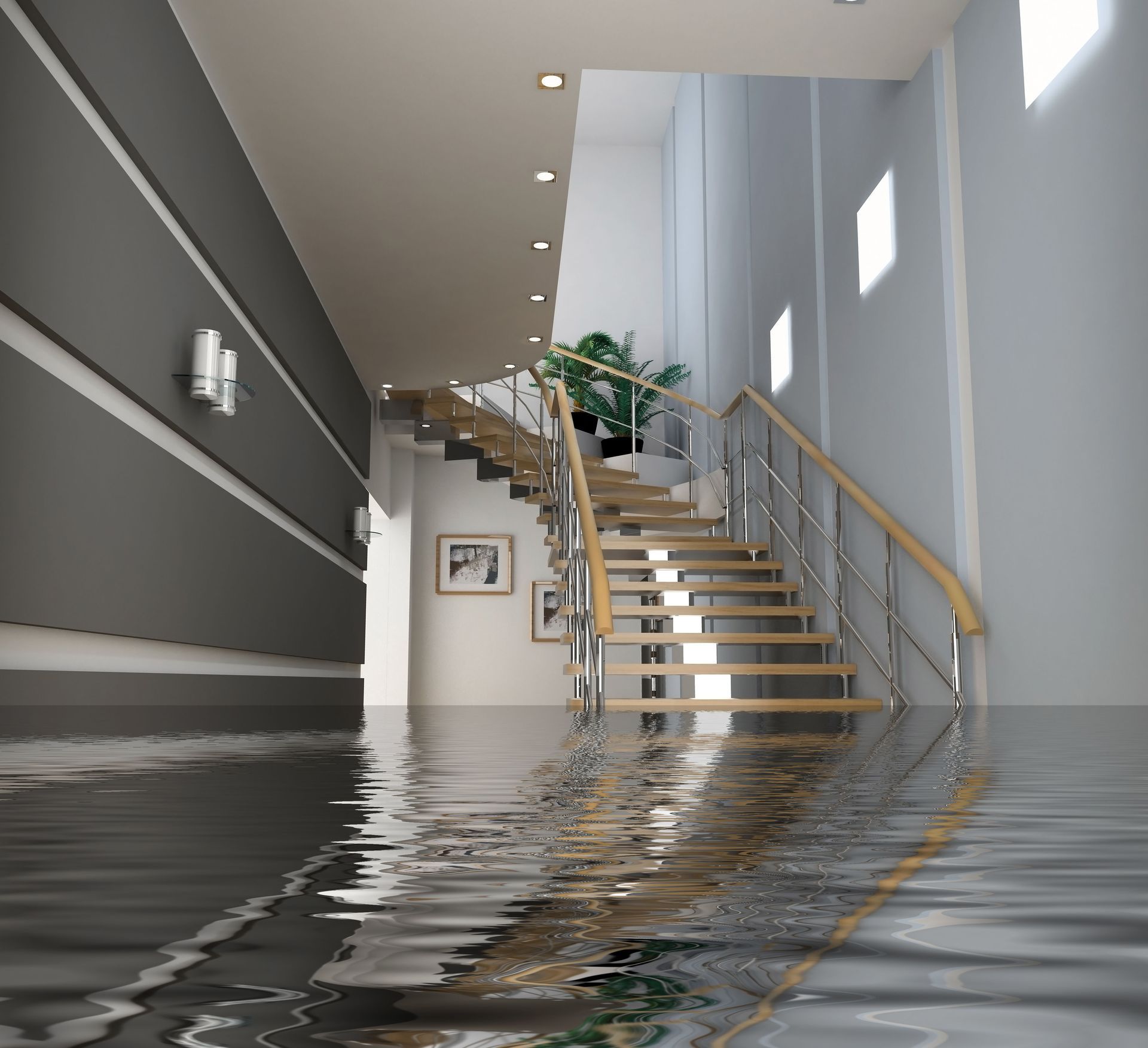
When water unexpectedly enters a home, time is critical. Delaying professional restoration services can allow moisture to penetrate deeper into porous materials, increasing the extent of the damage.
According to HomeGuide, taking action within the first day of ongoing water intrusion into porous surfaces may reduce total restoration costs by 50% to 70%. This makes prompt professional response particularly important when a home experiences flooding, a burst pipe, an appliance failure, or another significant water event.
A professional restoration company can assess the affected areas, identify the extent of moisture intrusion, and establish an appropriate restoration plan. Early intervention can help prevent a manageable water emergency from becoming a much more extensive restoration project.
Prioritize Professional Water Extraction
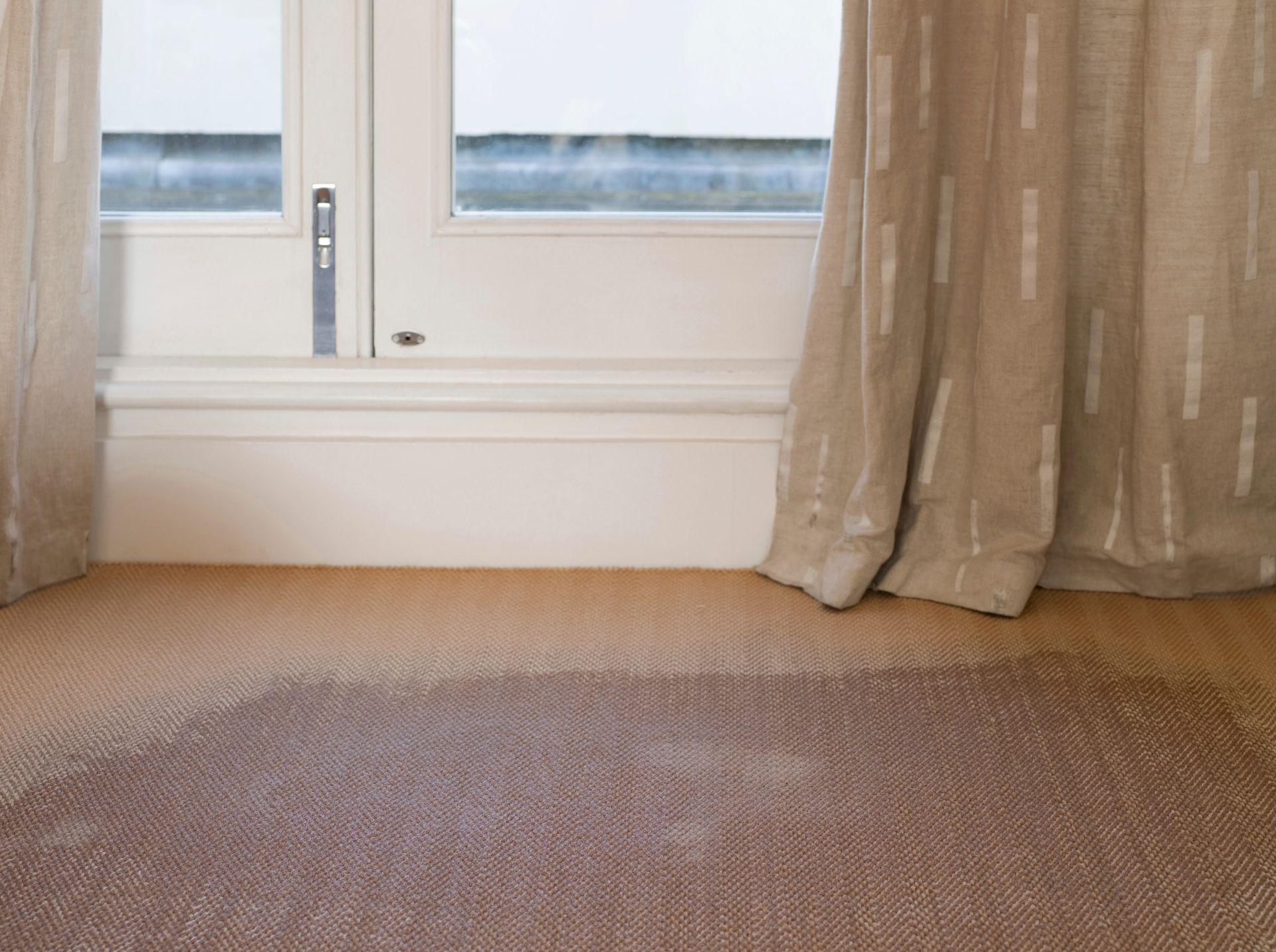
Visible water is only one part of a water damage event. Moisture can move underneath flooring, behind walls, into insulation, and beneath cabinetry. Simply addressing the visible portion of a leak may leave substantial moisture behind.
Professional restoration companies use specialized extraction and drying equipment to address affected areas. Moisture detection technology can also help identify water that is not immediately visible.
Thorough water extraction and drying are important because remaining moisture can contribute to additional deterioration and other complications. Professional intervention can help limit the overall scope of residential water damage and support a more complete restoration.
Inspect for Hidden Moisture
Water does not always remain where it initially enters a property. It can travel through building materials and reach areas that are difficult to see or access.
After a significant leak or flooding event, professional restoration specialists can evaluate affected spaces for hidden moisture. This may include examining walls, ceilings, flooring, insulation, and other materials that could have absorbed water.
Identifying hidden moisture early is important because untreated areas may continue to deteriorate even after the visible water has been removed. Professional moisture assessments can help ensure that restoration efforts address the full extent of residential water damage rather than only its most obvious symptoms.
Address Water Damage Without Delay
A slow response can make restoration more complicated. Water that remains in porous materials for an extended period has more opportunity to spread and affect additional portions of the property.
Homeowners should contact a professional restoration company as soon as significant water intrusion occurs. A restoration team can evaluate the situation, determine the affected areas, and begin appropriate mitigation measures.
Fast professional intervention is particularly important when water has reached drywall, carpeting, hardwood flooring, insulation, or other absorbent materials. The sooner these materials are professionally assessed, the sooner the property can move toward recovery.
Preventing costly water damage requires preparation, professional maintenance, and a rapid response when water intrusion occurs. Plumbing problems, appliance failures, roof leaks, drainage issues, and foundation concerns can all create serious risks when they are left unaddressed. Regular professional inspections can help identify vulnerabilities before they develop into major problems.
When water does enter a property, immediate professional restoration is essential. Professional extraction, moisture detection, drying, and restoration can help limit the spread of damage and address affected areas thoroughly.
If your property has experienced a leak, flooding, or any other form of water intrusion, contact JG Restoration as soon as possible for an assessment and prompt restoration services. We want to ensure your home and family are safe all year long.



Share On: