How Fast Does Residential Water Damage Cause Mold?
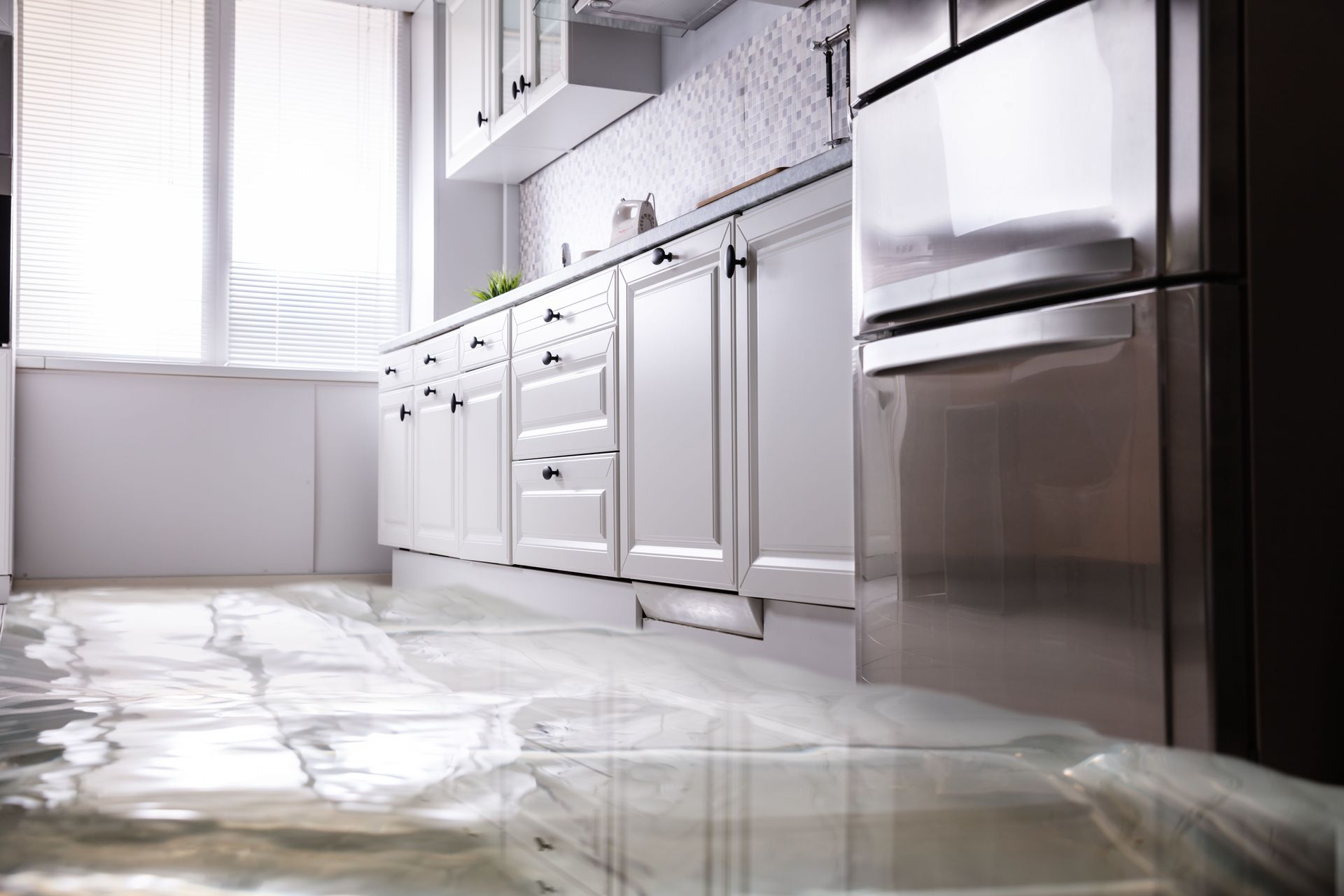
Unaddressed residential water damage creates an immediate threat to the structural integrity and air quality of any home. When excess moisture saturates interior building materials, it establishes ideal breeding conditions for microscopic fungal spores that exist naturally throughout the environment. Swiftly recognizing how fast these organisms colonize is critical for proactive property owners who want to prevent minor plumbing leaks or sudden storm flooding from escalating into severe structural hazards.
Understand Mold and Environmental Factors
Fungi exist naturally as microscopic organisms throughout indoor and outdoor environments, serving a primary ecological role in breaking down organic matter. Inside a private residence, however, these organisms become highly problematic when they settle on damp organic surfaces such as framing wood, drywall panels, and synthetic carpeting. They continuously produce tiny, lightweight spores that float through interior living spaces, landing on surfaces where elevated moisture creates an active environment for immediate fungal germination.
Moisture stands as the single most critical environmental catalyst for fungal proliferation inside any building. Without constant dampness, dormant spores remain entirely inactive and pose minimal ongoing risk to structural building materials. Uncontained residential water damage, whether originating from sudden pipe leaks, overflowing plumbing fixtures, or elevated relative humidity, provides the essential moisture required for spore activation. Poor airflow in enclosed spaces like basements, closets, and structural wall cavities further traps dampness, encouraging rapid fungal expansion.
Indoor ambient temperatures also significantly influence the rate at which microorganisms colonize structural building components. Standard living space temperatures offer comfortable conditions for fungal enzymes to break down organic substrate effectively. When comfortable indoor temperatures combine with trapped lingering moisture, colonization proceeds rapidly across nearby building materials. Controlling indoor climate settings and promoting consistent airflow remain vital steps in breaking the continuous cycle of spore activation.
Track Mold Growth Post-Exposure Timelines
The initial window following an unexpected residential water damage event sets the stage for potential fungal establishment across building assemblies. During the initial days, moisture deeply penetrates porous building components like sheetrock, subflooring materials, and ceiling tiles. Airborne fungal spores absorb this trapped moisture quickly, beginning the microscopic germination process long before visible colonies appear to the naked eye. Prompt moisture extraction during this early phase is essential to prevent permanent material compromise.
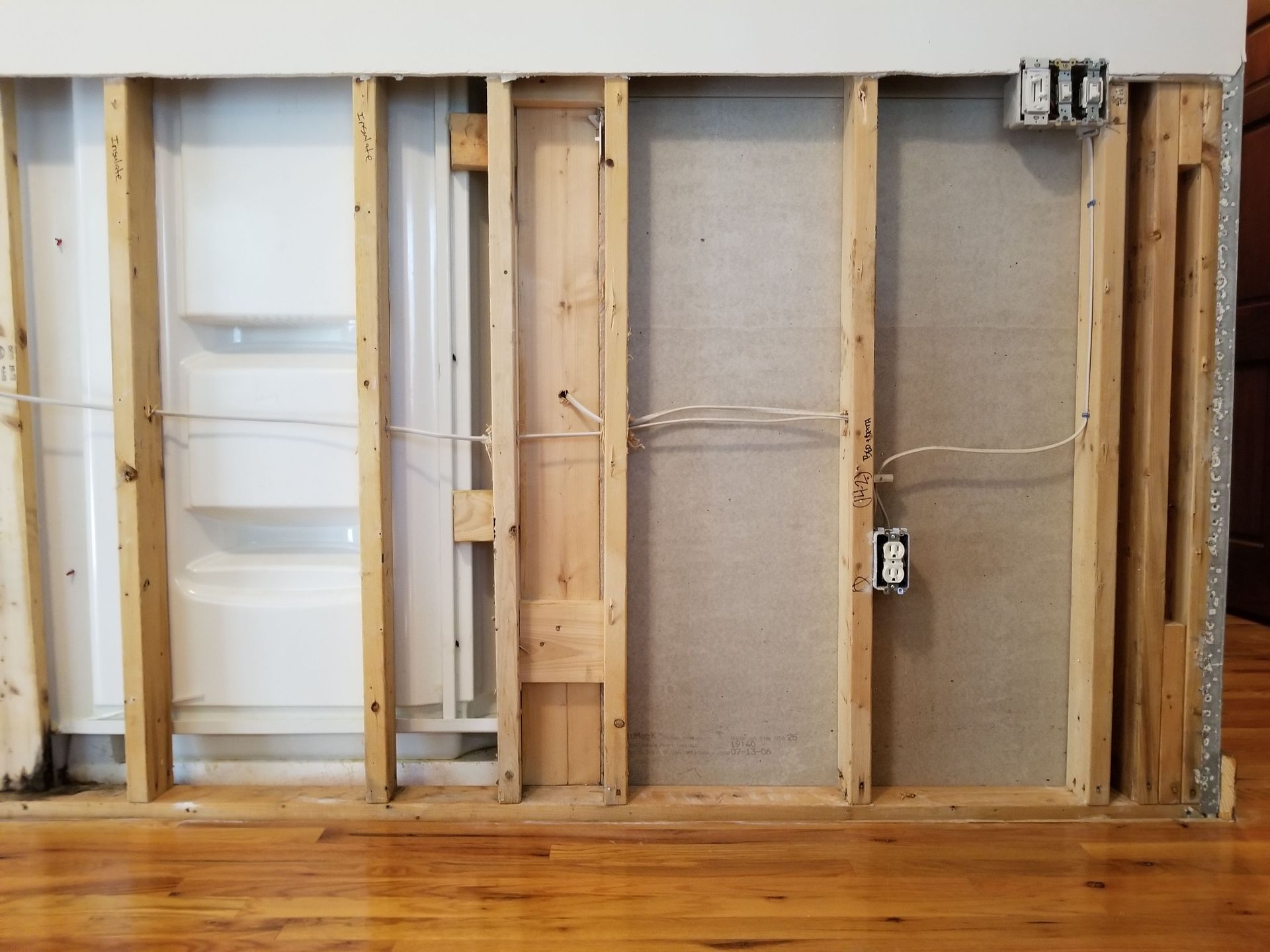
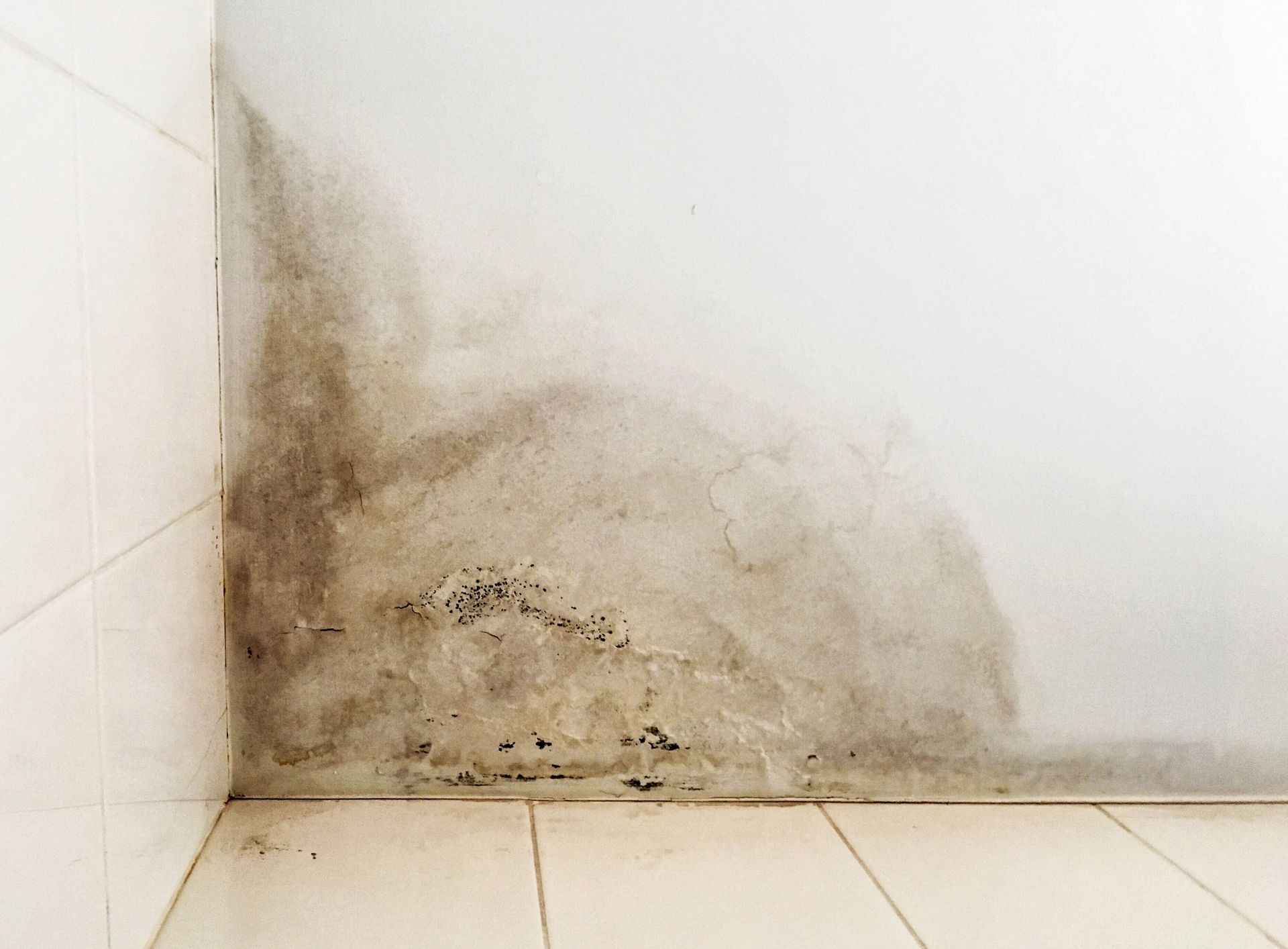
As damp conditions persist past the initial days into the following week, visible fungal patches typically emerge on saturated interior surfaces. Homeowners often notice distinct circular discolorations alongside persistent musty odors that clearly signal active fungal metabolism. During this phase, root-like structures penetrate deeper into structural materials, turning once-sound building elements into ongoing nutrient sources. Left unaddressed, airborne spores release from these establishing colonies, floating toward adjacent damp surfaces to launch secondary colonies.
Allowing wet conditions to linger past several weeks results in severe, deep-set contamination throughout surrounding residential structures. Fungal networks invade concealed structural cavities, weakening wooden structural framing, eroding drywall stability, and destroying flooring sublayers completely. The overall remediation process becomes significantly more complex and costly at this stage, often requiring extensive demolition of compromised building materials. Immediate intervention within the early hours remains the best defense against long-term structural degradation.
Recognize Signs of Moisture Contamination
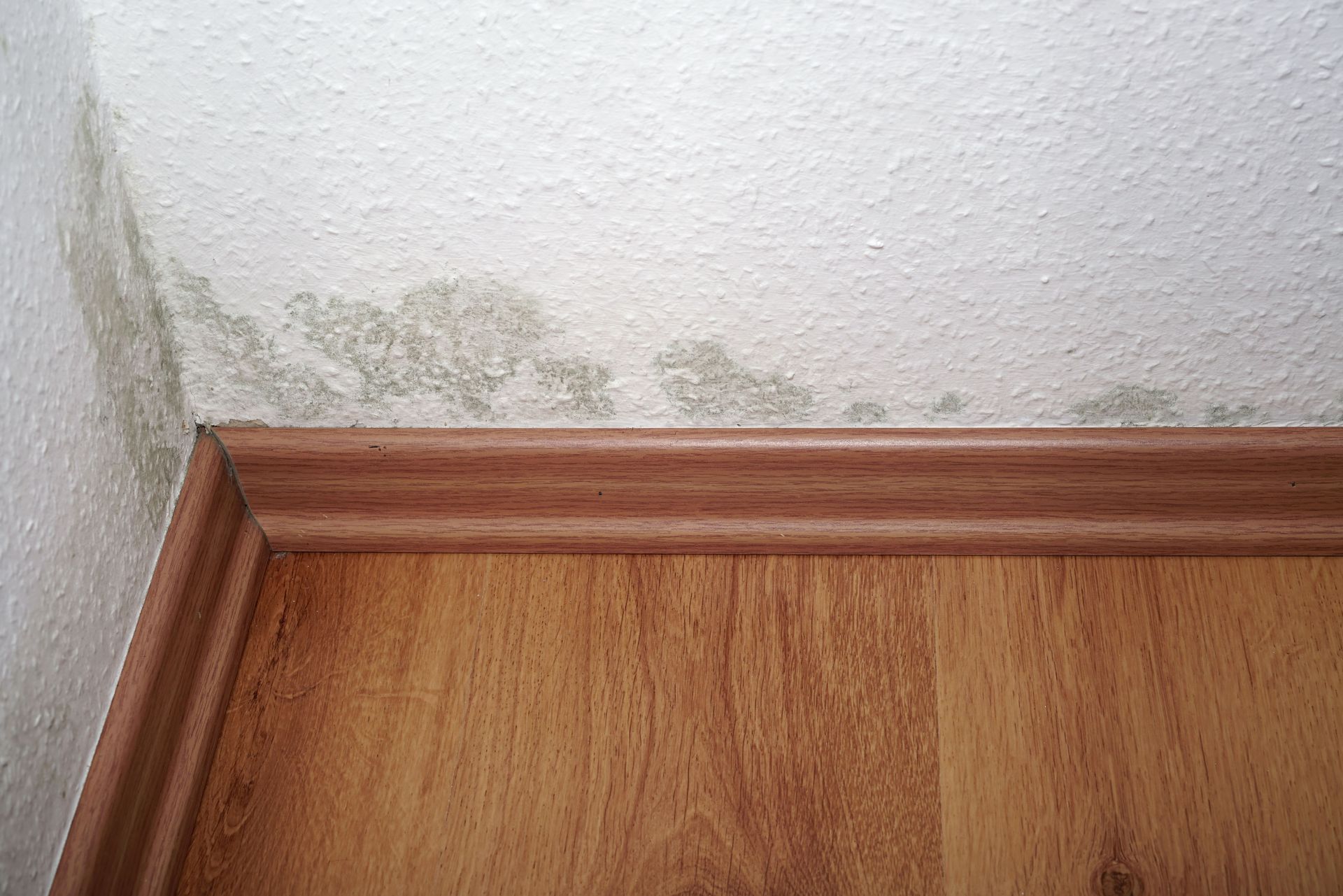
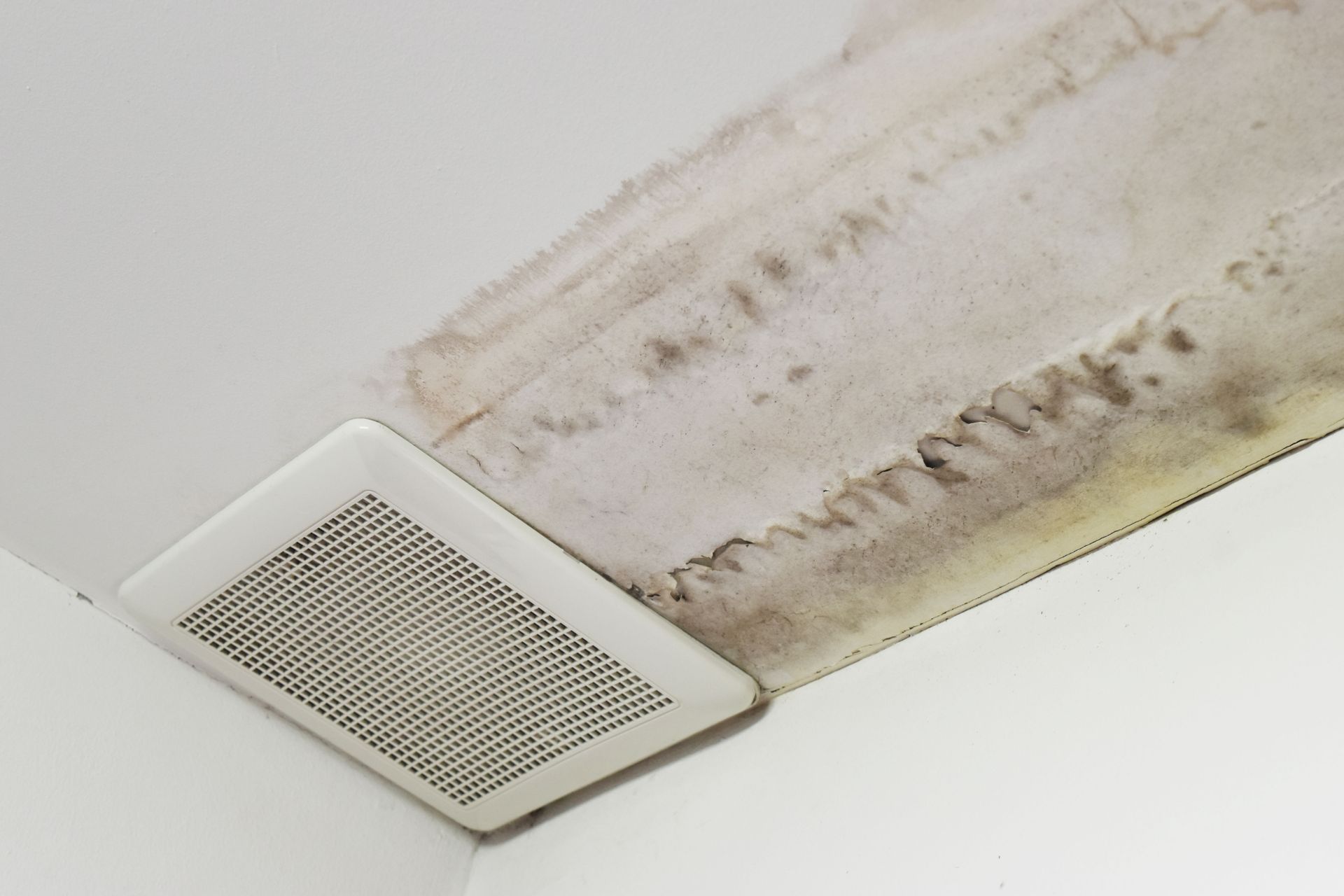
Identifying visual indicators early helps property owners catch developing fungal outbreaks long before widespread destruction occurs. Discoloration on walls, ceilings, and timber baseboards often appears as irregular spots ranging in color from dark black and green to distinct yellow or white. Surface materials may also exhibit structural distortion, such as peeling wall paint, bubbling wallpaper, or warped drywall panels, indicating that water has thoroughly saturated the underlying structural framing.
Olfactory cues frequently reveal hidden fungal growth long before visual spots manifest on visible living space surfaces. A persistent, damp, earthy, or musty odor usually indicates that excess moisture remains trapped behind drywall, under carpeting, or within HVAC ductwork following a residential water damage incident. Ignoring these persistent smells allows microscopic colonies to expand unchecked, increasing indoor spore counts and degrading overall air quality throughout the residence.
Evaluating affected household items helps determine whether materials can be successfully restored after severe liquid intrusion occurs. According to HomeGuide, property owners can often salvage personal belongings such as clothing and furnishings if the items have only suffered Category one or two water damage. Acting rapidly to clean and dry these contaminated belongings prevents spores from establishing deep root systems within fabric fibers and inner cushion padding.
Assess Health Risks and Contamination Impact
Living in an environment contaminated by active fungal growth presents notable health concerns for occupants exposed to airborne spores. Inhaling airborne fungal particles can trigger allergic reactions, leading to persistent coughing, sneezing, watery eyes, and continuous skin irritation. Individuals with existing respiratory conditions often experience heightened symptoms when indoor air contains elevated spore concentrations resulting from unaddressed structural dampness.
Prolonged exposure to interior fungal outbreaks can lead to severe health complications, particularly for vulnerable occupants like young children, elderly individuals, and immunocompromised residents. Unmitigated residential water damage creates an environment where aggressive fungal strains flourish, continuously releasing metabolic byproducts into the shared home airflow. Maintaining clean, dry indoor air is essential for preserving the long-term well-being of all household residents.
Beyond health implications, unmanaged fungal growth inflicts severe economic damage on residential real estate values. Deep fungal infiltration compromises structural integrity, reducing overall property values and requiring extensive structural repairs. Insurance claims become more complicated when damage stems from neglected moisture issues, underscoring the necessity of addressing liquid intrusion rapidly to protect both physical health and financial investments.
Implement Moisture Prevention Strategies
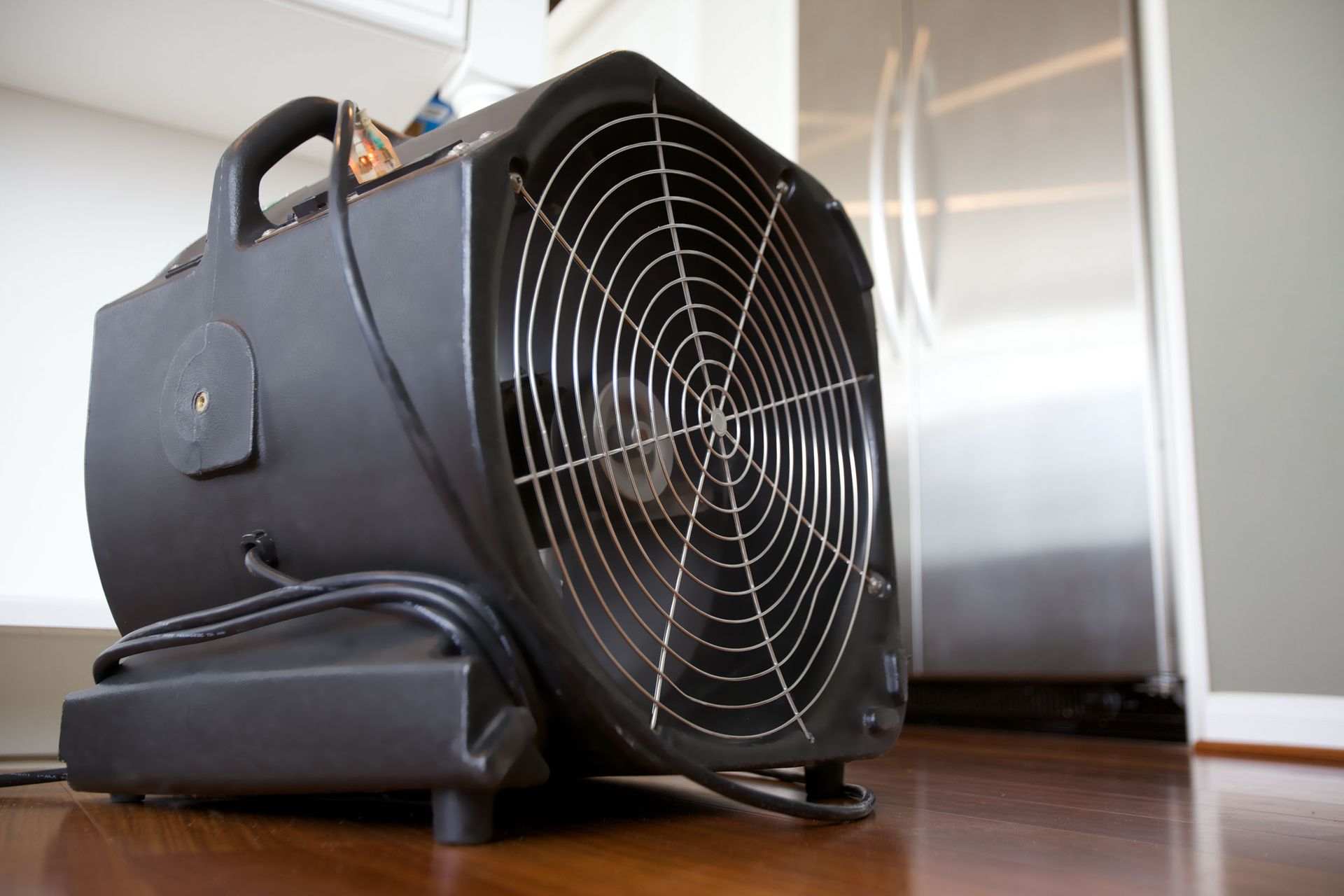
Preventing fungal growth begins with aggressive moisture management immediately following any liquid spill or structural leak. Utilizing high-capacity air movers, heavy-duty dehumidifiers, and professional extraction vacuums helps eliminate standing water from subfloors and wall cavities efficiently. Accelerating the drying rate within the space prevents dormant spores from absorbing the moisture needed to initiate microscopic germination.
Controlling indoor relative humidity serves as a continuous defense mechanism against fungal activation throughout the home environment. Maintaining moderate interior humidity levels prevents airborne moisture from condensing on cool surfaces like window frames, exterior walls, and basement masonry. Resolving plumbing leaks, clearing roof gutters, and repairing residential water damage promptly ensures that excess moisture never accumulates to levels that support fungal growth.
Promoting continuous indoor airflow prevents stagnant air pockets from harboring moisture in enclosed household spaces. Running exhaust fans in bathrooms and kitchens, opening interior doors, and keeping bulky furniture slightly away from perimeter walls encourages healthy air circulation. Regular HVAC maintenance, including routine air filter replacements, helps remove airborne spores from circulation while keeping humidity levels properly balanced throughout every room.
Execute Professional Remediation Solutions
When fungal colonization spreads across extensive areas, professional remediation strategies become necessary to achieve complete eradication. Restoration experts establish physical containment zones using heavy plastic sheeting and negative air pressure systems to isolate contaminated rooms effectively.
Certified specialists utilize specialized equipment to remove established fungal colonies and eliminate deep-seated dampness. Non-porous surfaces undergo thorough scrubbing with antimicrobial solutions, while severely damaged porous materials are safely removed and discarded. Addressing severe residential water damage through professional methods ensures that hidden moisture pockets behind building assemblies are completely dried out to prevent recurrent growth.
Final verification testing ensures that remediation efforts successfully restored the indoor space to a safe, healthy state. Specialists perform detailed air sampling and surface testing to confirm that fungal spore counts have returned to normal baseline levels. Investing in professional restoration provides property owners with total peace of mind, knowing their home environment is fully dried, sanitized, and structurally sound.
Taking proactive steps to manage indoor humidity and dry out affected materials preserves both physical property and household health. Protecting a home from fungal growth requires constant vigilance and swift responses to unexpected residential water damage events. When water intrudes into your living space, professional intervention ensures that moisture is completely eliminated before fungi take hold. Contact our team at JG Restoration today to schedule a thorough property inspection and protect your home from ongoing water issues.


Share On: