The Hidden Dangers of Fire Damage: Why Fast Restoration Matters
In the wake of a fire, the immediate aftermath necessitates swift action to mitigate further damage. While the flames themselves pose initial destruction, their long-lasting repercussions can be detrimental if not promptly addressed by a fire damage service. Fast restoration not only curtails ongoing structural and health risks but also limits the financial and environmental devastation that protracted delays can exacerbate. With approximately $23.2 billion in losses attributed to fires in the U.S. in 2023, according to Bankrate, the hidden dangers and long-term consequences necessitate an understanding of all interconnected variables and timely restoration responses to safeguard lives and property alike. Let's take a closer look at why fast restoration is so important.
Understanding Fire Damage: Beyond the Flames
The Immediate Impact
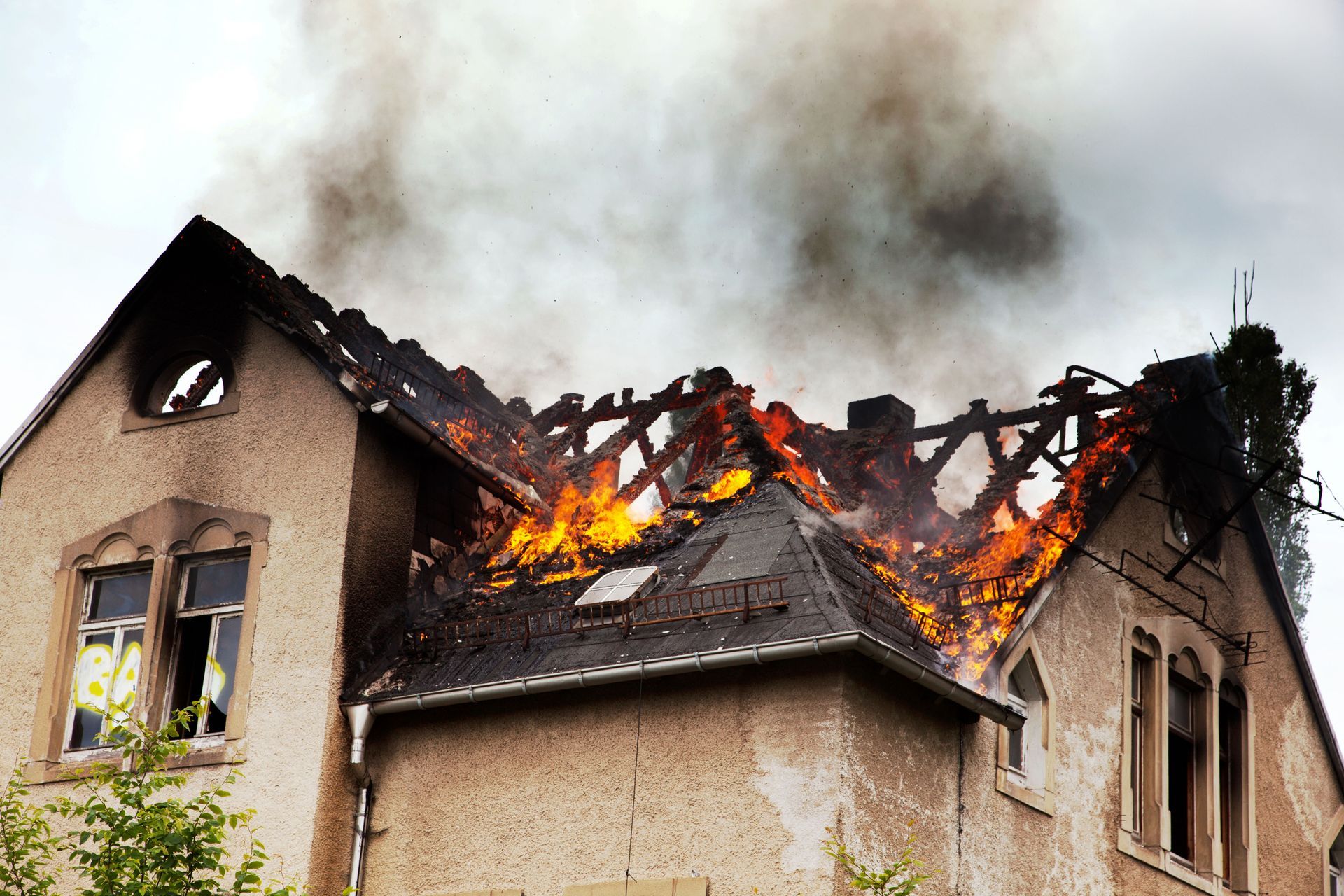
Fire damage is multifaceted, extending far beyond the initial destruction caused by flames. The immediate impact often includes the obliteration of structural components, leaving buildings susceptible to collapse and further damage. The urgency of restoration stems from the need to secure structural integrity quickly, preventing injuries or additional destruction that could result from weakened infrastructure.
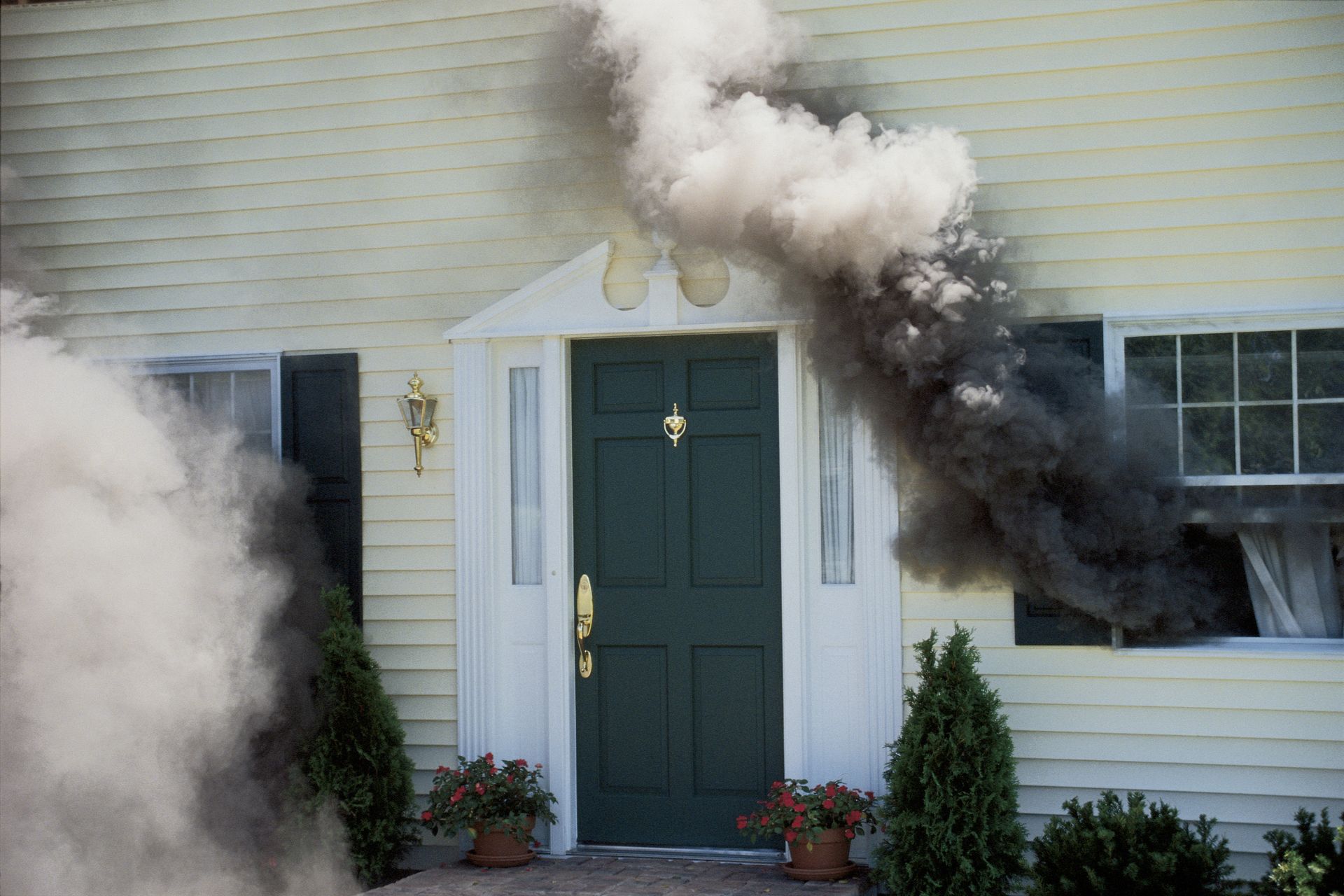
Immediately after a fire, smoke and soot infiltration contribute significantly to the damage, invading walls, furniture, and other porous materials. This penetration can lead to discoloration, odors, and potential health risks due to the inhalation of toxic particles. Prompt intervention by a fire damage service can help alleviate these issues by halting the chemical interactions that perpetuate damage long after the fire is extinguished.
Structural Compromises
Structural compromises in post-fire scenarios represent some of the most intricate challenges. The integrity of foundational elements can be severely undermined by prolonged exposure to high temperatures, compromising load-bearing capabilities. Beams, supports, and essential frameworks may become dangerously unstable, making quick restoration crucial to prevent further deterioration or collapse.
Compounding structural damage is the problem of compromised roofing and floors. Heat from the fire can warp, crack, or even melt materials, necessitating immediate assessment and intervention. Without rapid restoration, such damage can expand, resulting in increased repair costs and the potential for long-term uninhabitable conditions due to unsafe structures.
Dangers in Debris
The debris generated following a fire harbors numerous hidden dangers that pose environmental and health risks. This debris often contains hazardous materials such as asbestos, lead, and other toxic chemicals released by the combustion of various building materials. Rapid removal and proper disposal of such debris are paramount to curbing exposure to these harmful substances.
Beyond direct hazards, debris can also impact the functionality of existing drainage systems. Blockages and contamination can lead to flooding and additional water damage if not addressed promptly. The accumulation of this debris can stimulate pest infestations, offering a new avenue for damage and health concerns.
The Role of Smoke Damage
Smoke damage plays a pivotal role in the hidden dangers of fire aftermath, significantly affecting the integrity and aesthetics of a property. As smoke infiltrates every crevice, it leads to chemical permeation that can weaken materials over time. This lingering presence of smoke necessitates comprehensive cleaning and restoration by a fire damage service to prevent ongoing degradation.
Impact on Indoor Air Quality
Fire events drastically alter indoor air quality, with smoke, soot, and chemical residues combining to create a hazardous breathing environment. These pollutants can linger in the air long after the fire is extinguished, leading to chronic respiratory conditions among residents if not promptly addressed. This makes immediate restoration critical in expelling lingering contaminants.
The Secondary Threat: Water Damage from Firefighting Efforts
Excessive Water Exposure
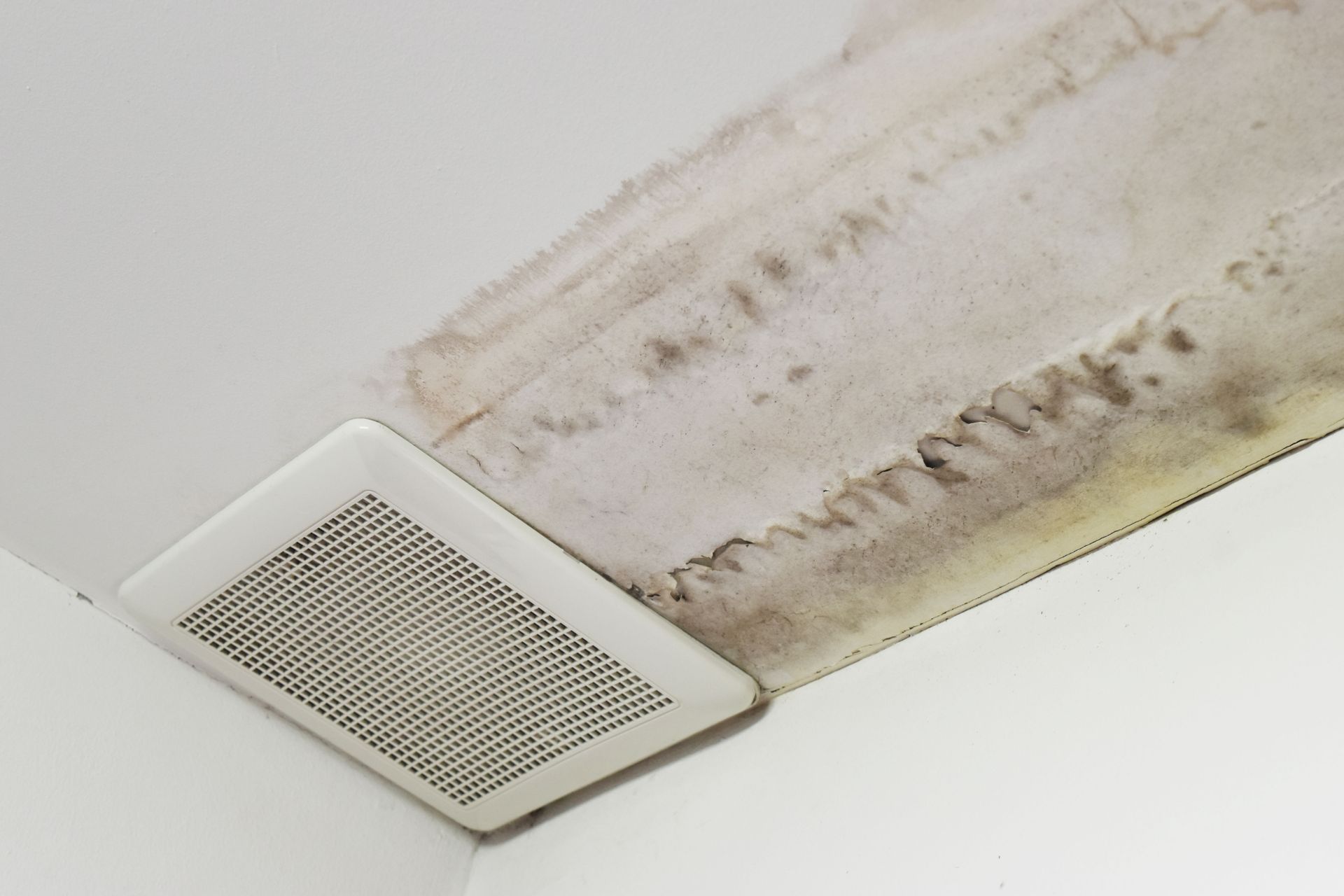
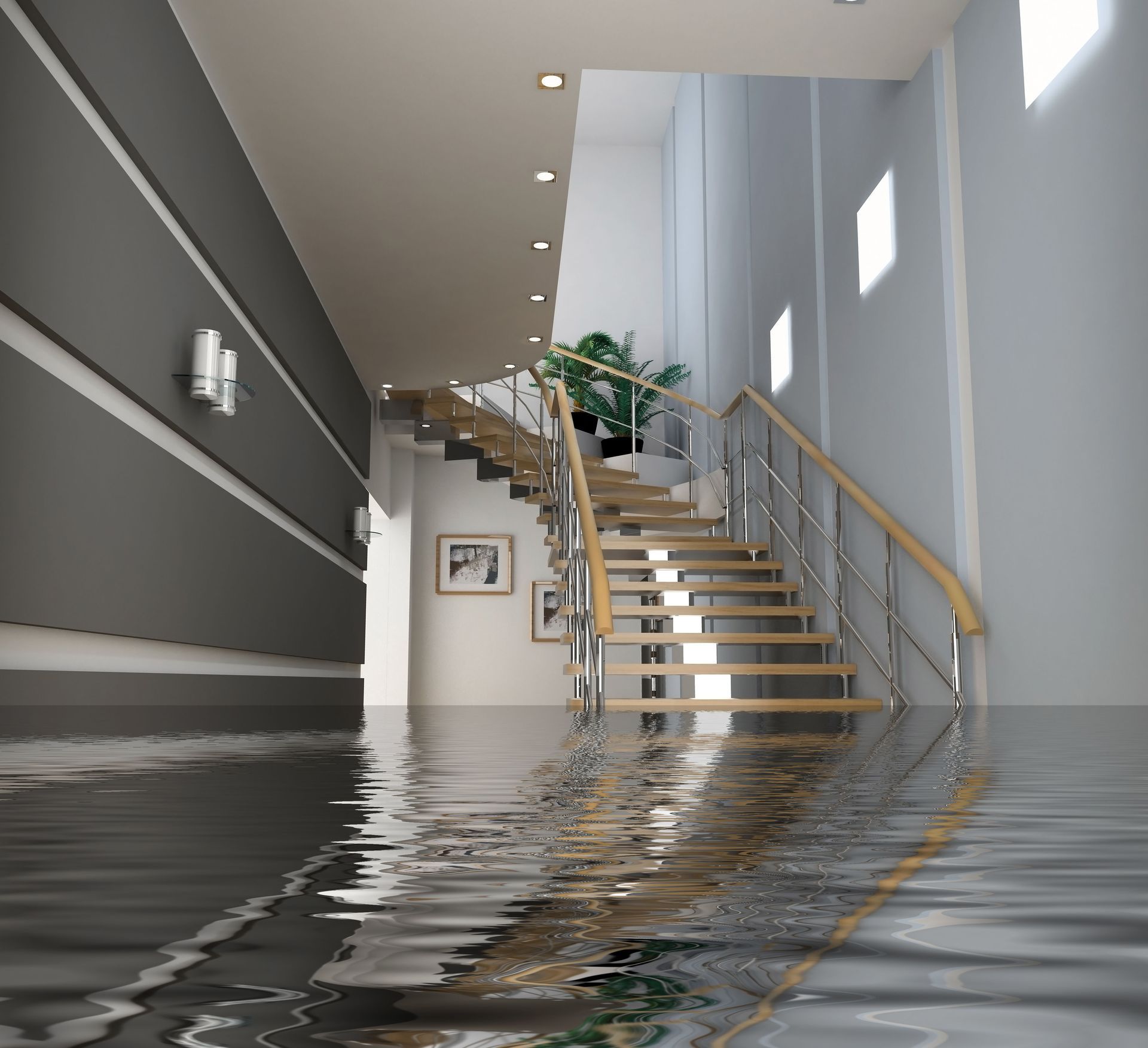
The firefighting process, while essential in controlling flames, inadvertently contributes to extensive water damage, compounding the challenges of post-fire restoration. Excessive water exposure can saturate building materials, weakening them and fostering an environment conducive to further degradation. Prompt restoration from a fire damage service mitigates prolonged water exposure, preserving the integrity of affected structures.
Risk of Mold Growth
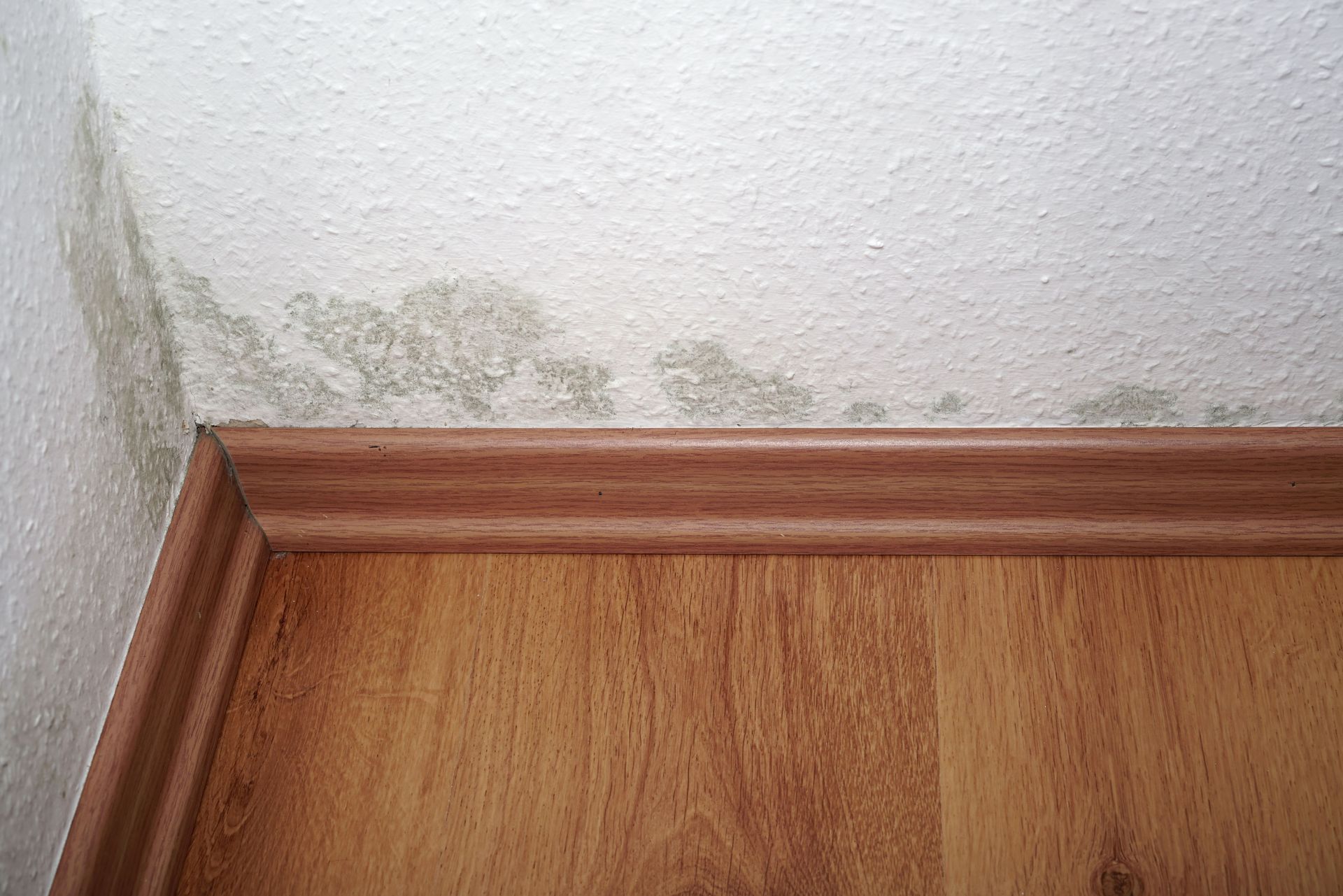
Mold growth following a fire is a common and serious repercussion of excessive water used in firefighting. The damp environment left in the wake of extinguishing efforts cultivates the rapid proliferation of mold, which poses both health and structural threats. Prompt drying is essential steps in the restoration process to prevent mold from taking hold.
Weakened Building Materials
The impact of water used in firefighting efforts substantially weakens building materials, necessitating a focused restoration approach to restore structural integrity. Saturated materials such as wood, drywall, and insulation deteriorate faster, becoming brittle or warping under prolonged exposure. This hastened degradation underscores the urgency of immediate water damage remediation to prevent further structural compromises.
Electrical Hazards Due to Water Saturation
Electrical hazards present a significant post-fire risk due to water saturation from firefighting efforts. Water damage can compromise wiring and electrical systems, creating conditions conducive to short circuits and potential subsequent fires. Immediate electrical inspections and repairs are crucial to ensuring the safety and reliability of systems within affected properties.
Water Damage Restoration Challenges
Water damage restoration, though essential, presents unique challenges in the context of fire recovery. The process involves more than simple drying; it requires an understanding of material properties, environmental conditions, and appropriate remediation strategies. The expertise of a professional fire damage service ensures that these variables are precisely managed to achieve effective recovery.
Health Implications of Delayed Restoration
Respiratory Issues
Delayed restoration following a fire amplifies the risk of respiratory issues due to lingering pollutants such as smoke, soot, and mold spores. These airborne particles can penetrate deep into the lungs, exacerbating existing conditions like asthma and bronchitis. Vulnerable populations, including children and the elderly, are particularly susceptible to these health concerns.
The persistent presence of irritants in the air damages overall indoor air quality, leading to chronic breathing problems and a decline in general health. Restoration efforts that involve thorough cleaning and air quality improvement measures are essential to preventing these adverse health outcomes. Fast and comprehensive intervention significantly reduces respiratory risks associated with post-fire environments.
Toxic Exposure from Chemical Residue
Chemical residues from burned materials present significant toxic exposure risks in the aftermath of a fire. These chemicals can settle on surfaces and in dust, posing ongoing threats through inhalation, skin contact, and ingestion. Without timely restoration, inhabitants face prolonged exposure to these harmful residues, heightening the risk of various health issues.
Potential toxins include heavy metals, volatile organic compounds (VOCs), and other by-products of combustion that persist within the environment. The nature of these chemicals means they can have cumulative health effects, necessitating comprehensive clean-up efforts to remove lingering toxins completely. Professionals equipped with suitable gear and techniques provide the most effective solution to mitigate chemical exposure.
Long-term Health Effects
Inadequate or delayed restoration can have lingering health consequences, extending far beyond the immediate aftermath of a fire. Prolonged exposure to smoke, soot, and water-damage-related contaminants contributes to chronic respiratory conditions and other long-term health issues. These effects necessitate preventive measures and comprehensive restoration efforts to curb potential harm.
Chronic exposure not only exacerbates existing health conditions but also increases the incidence of new ailments, which can be more costly and difficult to address over time. Immediate intervention reduces these risks by swiftly removing health hazards and restoring indoor environmental quality. Restorative efforts by a fire damage service help establish a stable, healthy living space, critical for long-term wellness.
The aftermath of a fire presents a complex combination of structural, environmental, and health hazards that demand immediate attention. From weakened building materials and pervasive smoke damage to water-related issues and toxic residues, every aspect of post-fire recovery influences both safety and long-term well-being. Prompt attention from a fire damage service like JG Restoration addresses these challenges efficiently, reducing the risk of further structural compromise, mold growth, and chronic health problems. Reach out to us today to get started with a free estimate!





Share On: