How Water Damage Restoration Helps Preserve Your Home's Structure
Water intrusion can threaten a home's structural integrity, damage personal belongings, and create unhealthy living conditions. Whether caused by severe weather, plumbing failures, or leaking appliances, moisture can spread quickly and lead to expensive repairs. Prompt water damage restoration helps homeowners limit deterioration, protect essential structural components, and prevent secondary problems such as mold growth. Understanding the restoration process allows homeowners to recognize warning signs, respond effectively, and preserve their property's long-term value.
Understanding Water Damage and Its Effects
Recognizing Common Causes and Warning Signs
Water damage can result from natural disasters, burst pipes, faulty appliances, roof leaks, or inadequate drainage. Some problems develop suddenly, while others remain unnoticed for months. A small plumbing leak or clogged gutter might appear harmless initially, but continued moisture exposure can gradually weaken walls, ceilings, flooring, and foundations.
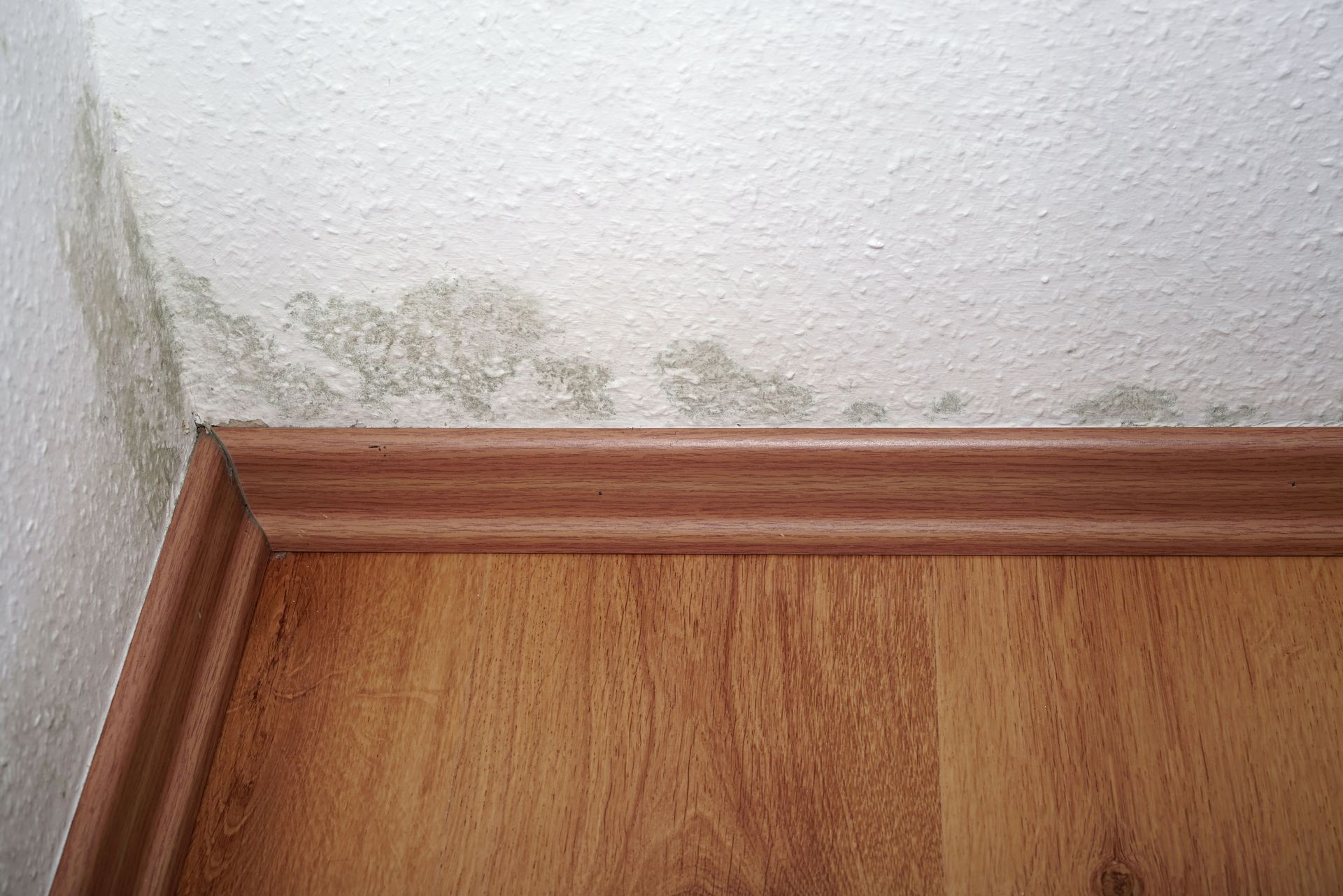
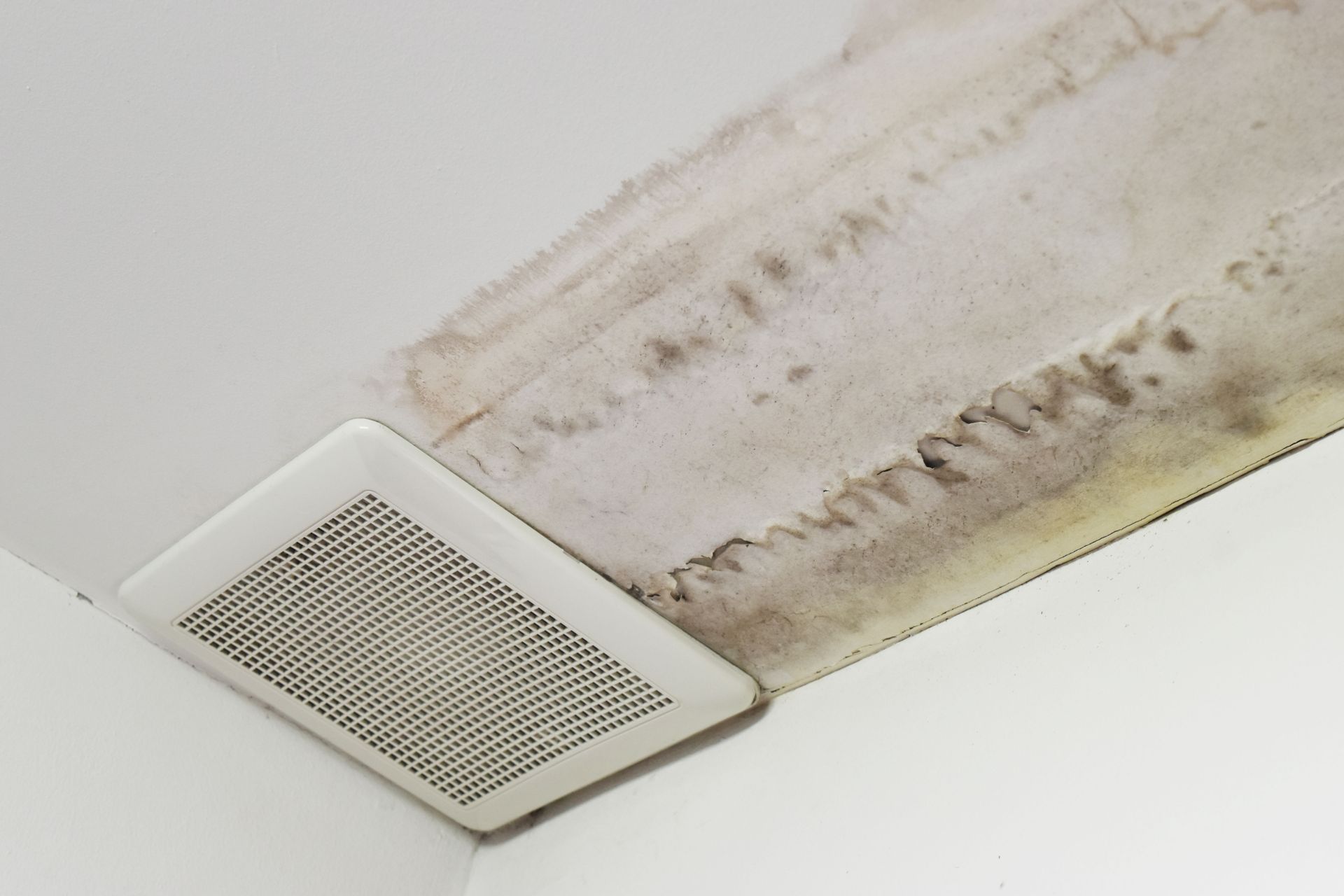
Common warning signs include water stains, peeling paint, warped flooring, swollen baseboards, and persistent musty odors. Homeowners might also notice unexplained increases in water bills or visible mold in poorly ventilated areas. These symptoms can indicate hidden moisture behind walls or beneath flooring, where deterioration may continue without obvious surface damage.
Professional inspections can help identify concealed moisture before it causes extensive structural problems. Water damage restoration specialists may use moisture meters and infrared cameras to locate affected areas and determine the extent of the damage. Early identification helps establish an appropriate repair plan and reduces the likelihood of additional deterioration.
Understanding Different Types of Water Damage
Water damage is commonly classified according to its source and contamination level. Clean water may come from a broken supply line, while gray water can originate from certain appliances or overflows. Black water, which may contain sewage or dangerous contaminants, presents more serious health risks and requires specialized handling.
The appropriate restoration approach depends on the contamination level, the amount of water involved, and the materials affected. Some items may be dried and preserved, while contaminated drywall, insulation, or flooring might require removal. Correctly assessing the situation helps professionals protect occupants and determine which structural components can safely remain.
Understanding the Water Damage Restoration Process
Removing Standing Water and Assessing Damage
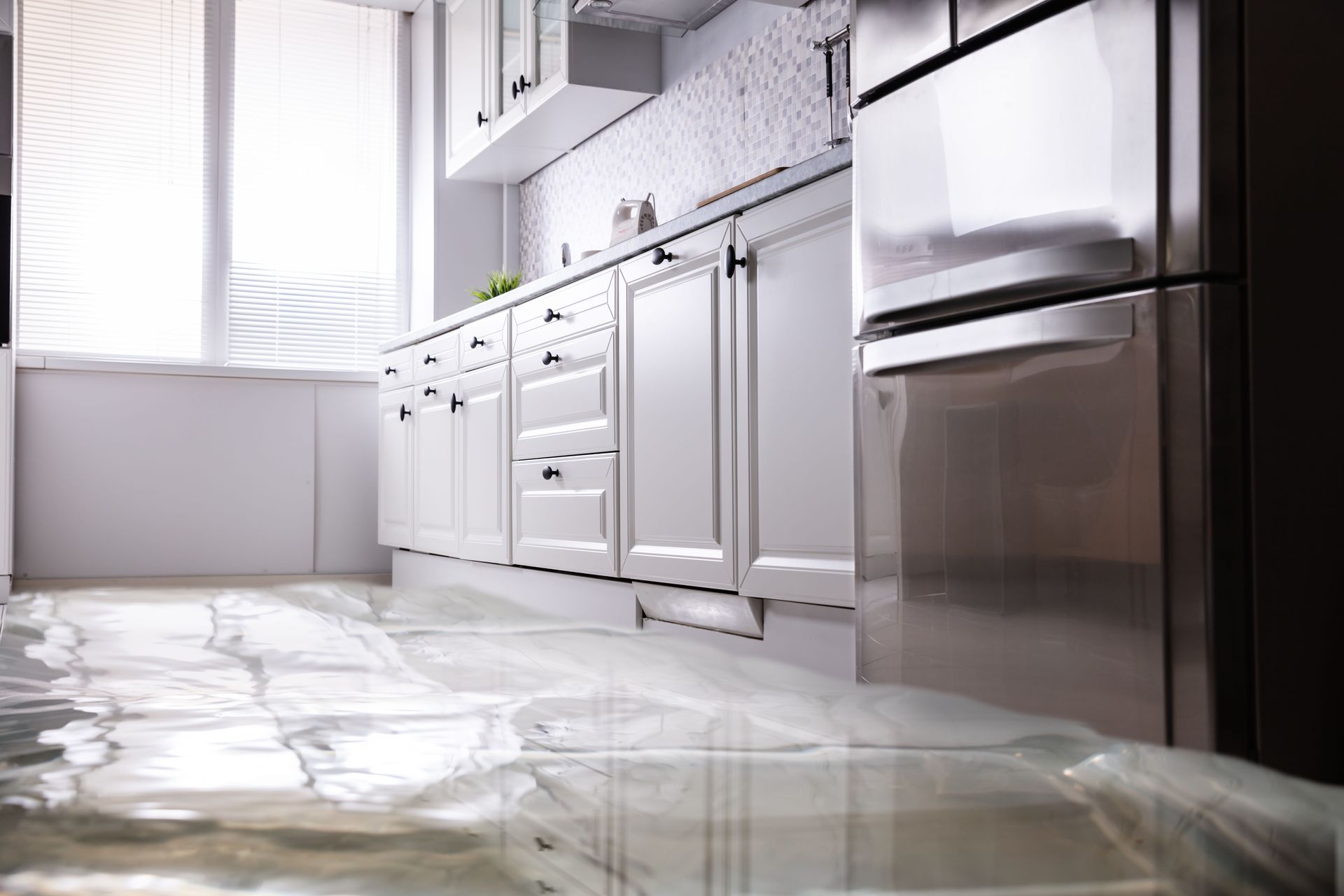
Water extraction is one of the first steps in an effective restoration project. Standing water continues to soak into porous materials, increasing the likelihood of swelling, deterioration, and microbial growth. Professionals use specialized pumps and high-capacity extraction equipment to remove accumulated water efficiently.
Once the water has been removed, restoration specialists assess the affected areas and identify materials requiring additional attention. Moisture measurements help determine how far water has traveled and which spaces need targeted drying. This assessment also helps establish priorities, including addressing safety hazards and identifying materials that cannot be salvaged.
Quick action can limit the extent of the damage, particularly when water has reached drywall, wooden framing, or subflooring. A thorough initial assessment provides a foundation for the remaining restoration work and helps prevent overlooked problems from becoming more expensive later.
Drying Structural Materials Thoroughly
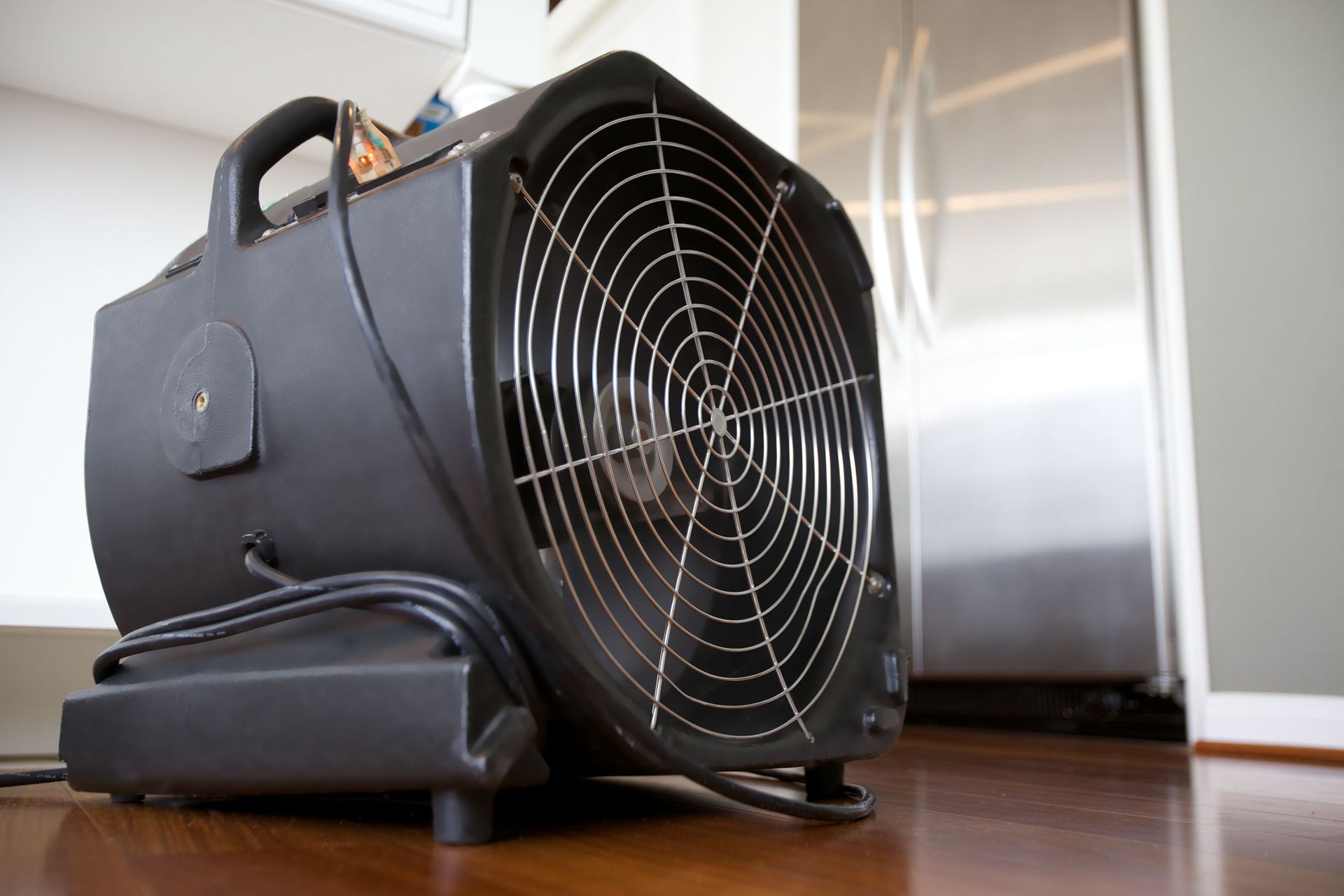
Removing visible water does not mean a home is completely dry. Moisture can remain trapped inside walls, beneath flooring, and within insulation. Industrial air movers and dehumidifiers help remove this hidden moisture by encouraging evaporation and reducing humidity throughout affected spaces.
Professional drying requires careful monitoring rather than relying on surface appearance alone. Specialists measure moisture levels and adjust equipment placement as conditions change. Depending on the severity of the incident, the process may take several days or longer.
Thorough drying is essential because damp structural materials can deteriorate even after standing water disappears. Effective water damage restoration addresses moisture within the building, helping protect framing, flooring, and other components that support the home's structure.
Preventing Mold and Addressing Contamination
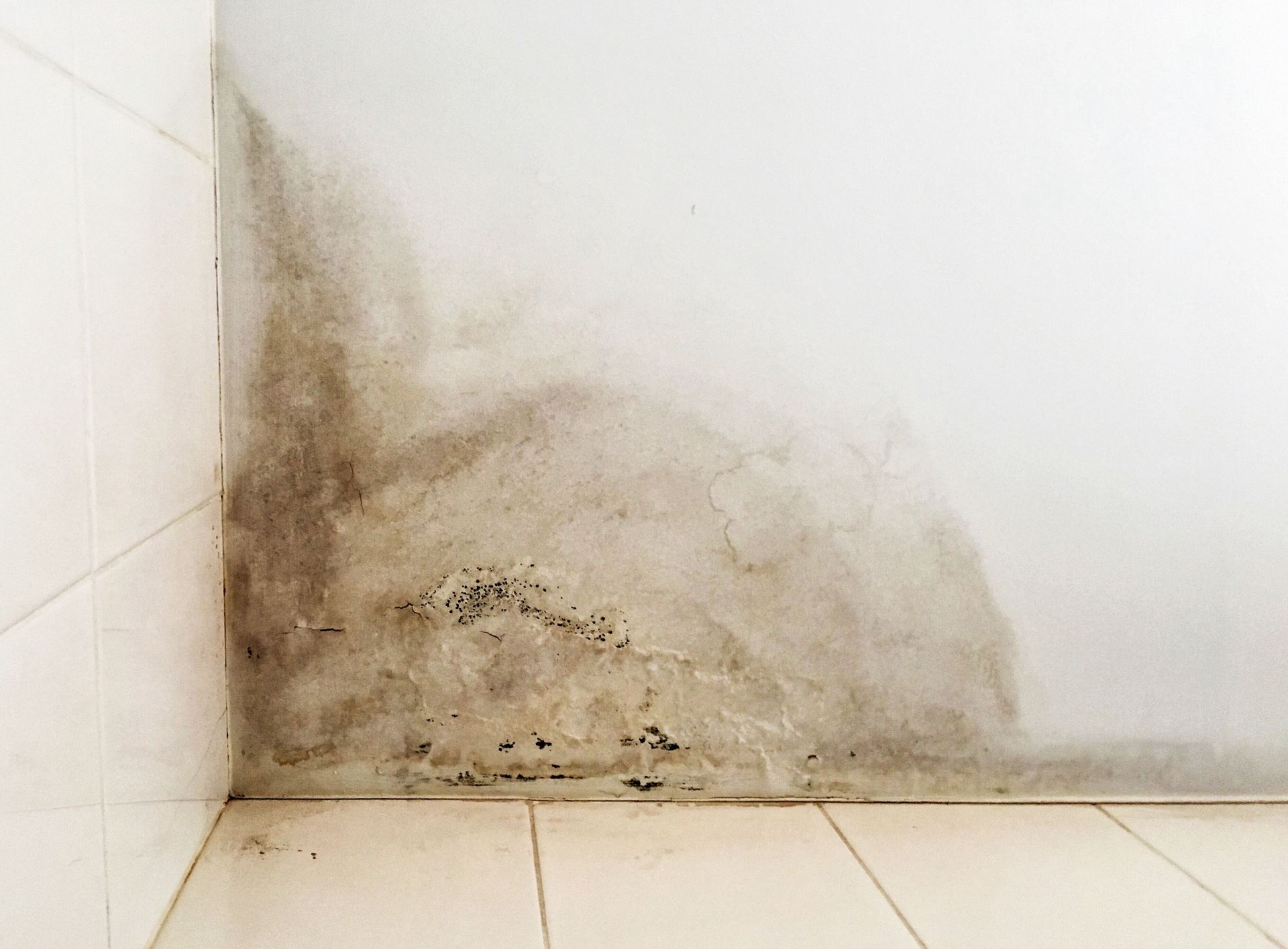
Mold can develop when moisture remains in a building, especially in dark areas with limited airflow. It may grow on drywall, wood, insulation, and other materials, potentially affecting indoor air quality and creating additional remediation needs.
Prompt extraction and drying help reduce the conditions that support mold growth. When contamination is already present, appropriate remediation may involve containing affected areas, removing unsalvageable materials, and cleaning suitable surfaces with methods appropriate to the contamination. Extensive contamination may require specialized professionals.
Addressing both moisture and mold helps protect occupants and reduces the risk of recurring problems. Simply covering stains or repainting affected surfaces does not resolve the underlying issue. The source of moisture must be corrected, and affected materials must be evaluated before repairs begin.
Using Equipment and Following Restoration Standards
Modern restoration equipment helps professionals locate moisture, monitor drying conditions, and minimize unnecessary removal of building materials. Moisture meters, thermal imaging cameras, commercial dehumidifiers, and high-volume air movers support a more targeted approach to recovery.
Established industry standards also help guide extraction, drying, cleaning, and restoration procedures. Homeowners can ask prospective contractors about their training, certifications, equipment, and approach to documenting moisture levels. Clear communication helps ensure the work addresses visible damage and less obvious structural concerns.
Protecting Your Home Through Timely Restoration
Preserving Structural Strength and Stability
Water can compromise important structural components when exposure continues unchecked. Wooden beams, joists, subfloors, and wall framing may weaken, while repeated moisture exposure can contribute to deterioration around foundations and other building elements. According to This Old House, just 1 inch of water in the typical home can cause up to $25,000 worth of damage. Early restoration helps limit these risks by removing water and allowing affected materials to dry.
When structural damage has already occurred, repairs may involve replacing compromised materials or reinforcing affected sections. Restoration professionals can identify areas requiring further evaluation and recommend appropriate next steps. Addressing the damage thoroughly helps preserve the stability of the home and reduces the possibility of additional problems.
Reducing Repair Expenses and Protecting Property Value
Early intervention can reduce the amount of material that needs replacement and limit the labor required for repairs. When water remains in a building, damage can spread into adjacent rooms and concealed spaces, increasing the scope of the project. Prompt water damage restoration helps control these expenses by addressing moisture before deterioration becomes more extensive.
Thorough repairs can also help protect resale value. A home with properly addressed water damage is generally easier to evaluate than one with unresolved leaks, visible staining, or suspected structural concerns. Maintaining records of the damage, repairs, and restoration work can help homeowners explain what happened and how the issue was addressed.
Supporting a Healthier Indoor Environment
Moisture problems can contribute to mold growth, unpleasant odors, and deteriorating indoor air quality. These conditions may aggravate allergies or respiratory sensitivities, making a damp home uncomfortable for occupants. Removing excess moisture and addressing contamination helps restore healthier indoor conditions.
After water damage restoration, homeowners should continue monitoring areas that were previously affected. Checking plumbing connections, improving ventilation, and correcting drainage problems can reduce the chance of recurring moisture. Preventive maintenance supports the benefits of professional restoration and helps keep the home in good condition.
Managing Insurance Claims and Documentation
Insurance coverage for water damage depends on the policy and the circumstances surrounding the incident. Sudden plumbing failures may be treated differently from flooding or damage caused by neglected maintenance. Homeowners should review their policies and contact their insurance providers promptly to understand applicable coverage requirements.
Photographs, videos, receipts, and written records can help document the extent of the damage. Keeping copies of inspection findings and restoration invoices also provides a useful record of completed work. Homeowners should coordinate with their insurers while taking reasonable steps to prevent further damage, following any applicable documentation and approval requirements.
Preserve Your Home With Professional Restoration
Water damage can threaten structural stability, property value, and indoor comfort when it is not addressed promptly. Recognizing early warning signs, removing standing water, drying affected materials, and resolving contamination can make a significant difference in the recovery process. Professional water damage restoration helps homeowners address both visible damage and hidden moisture before additional problems develop.
When water enters your home, acting quickly can help reduce repair expenses and protect the structure for years to come. Contact JG Restoration to discuss your water damage concerns and determine the appropriate next steps. Professional guidance can help you move toward a thorough recovery while protecting your home's safety, condition, and long-term value.



Share On: