What to Do When Water Suddenly Enters Your Home
Unexpected water intrusion can threaten your home's structure, belongings, and safety. Whether caused by heavy rainfall, burst pipes, or malfunctioning appliances, water can spread quickly and create costly problems. Knowing how to respond helps homeowners protect their families, limit water damage, and begin recovery. Taking the right steps immediately can also make insurance claims and professional restoration more manageable.
Prioritize Safety During Water Emergencies
Protect People and Pets
When water enters your home unexpectedly, prioritize the safety of everyone inside. Move family members and pets away from affected areas, especially if water levels are rising. Watch for slippery floors, unstable surfaces, and possible contamination. If flooding becomes dangerous, evacuate and follow instructions from local emergency officials. Children, older adults, and people with mobility limitations may need additional assistance getting to safety.
Avoid Electrical and Structural Hazards
Water and electricity create a dangerous combination. Never walk through standing water to reach electrical panels, outlets, or appliances. If you can safely shut off the power from a dry location, do so. Otherwise, contact emergency services or a qualified electrician. Avoid entering rooms with sagging ceilings, buckling floors, or damaged walls, as these conditions may indicate structural instability.
Wear protective footwear when moving through areas that are safe to enter. Avoid touching potentially contaminated water, and never operate electrical equipment in wet conditions unless it is specifically designed for that environment. Personal safety should always come before attempts to save belongings.
Identify and Stop the Water Source
Determine Where the Water Is Coming From
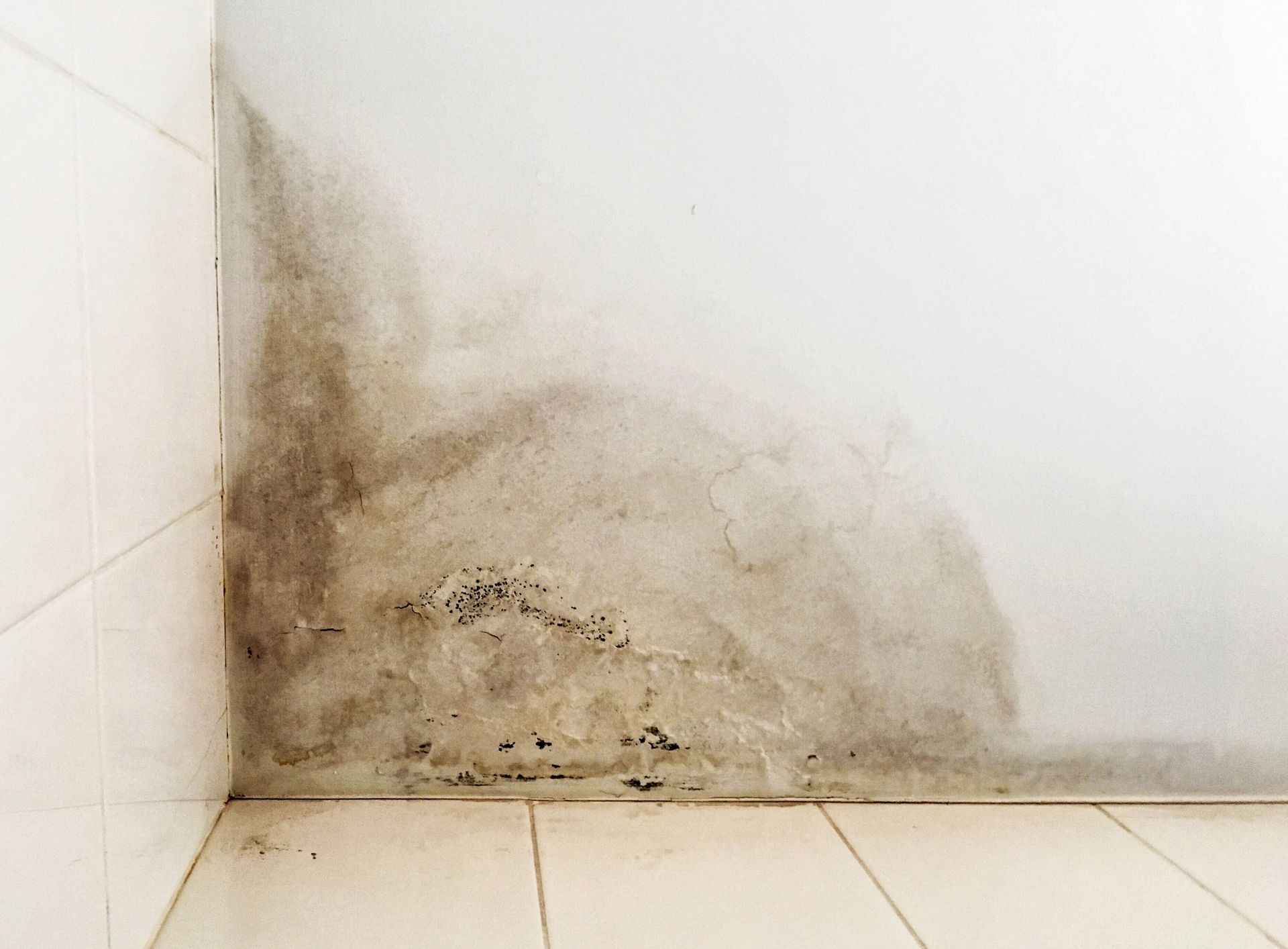
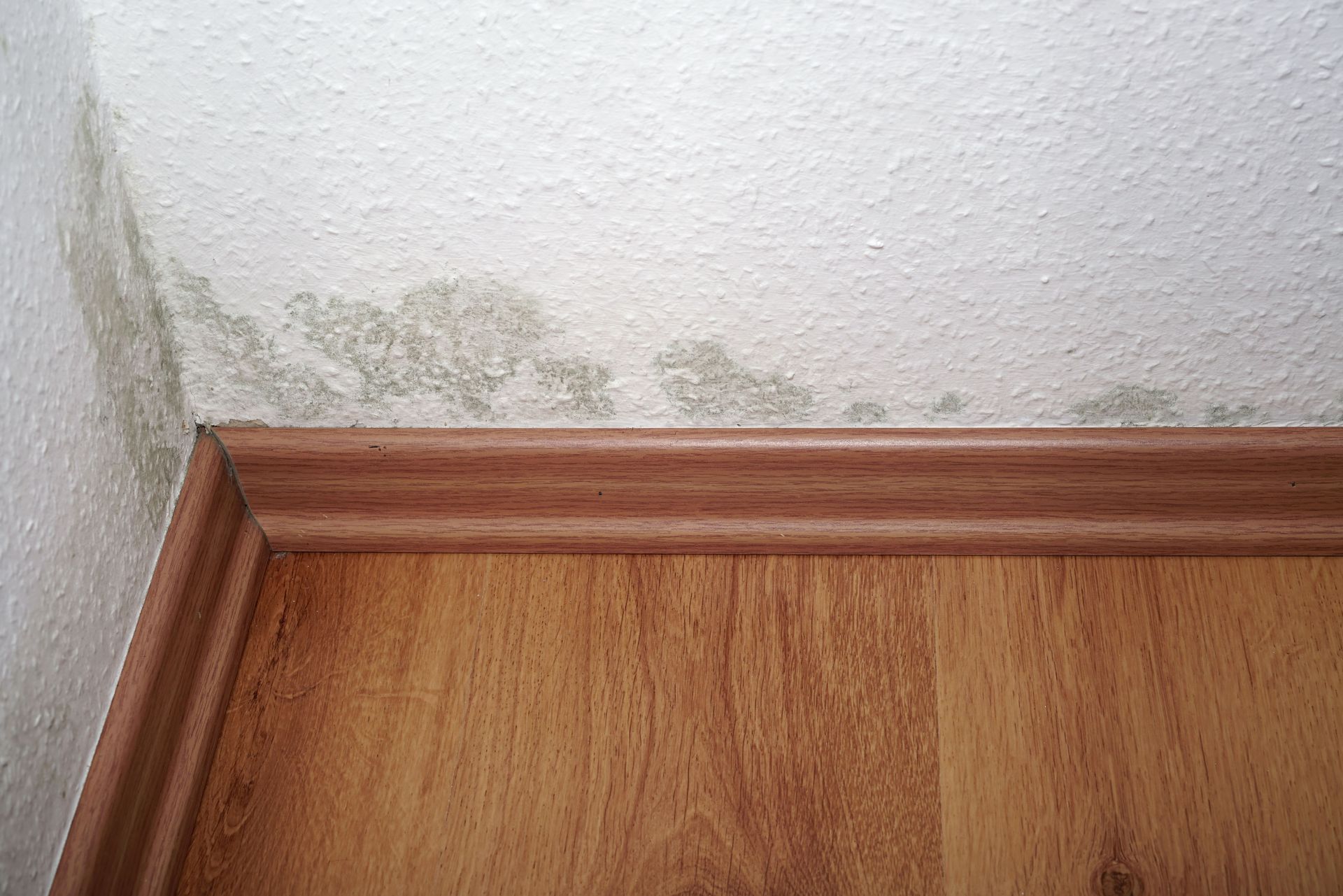
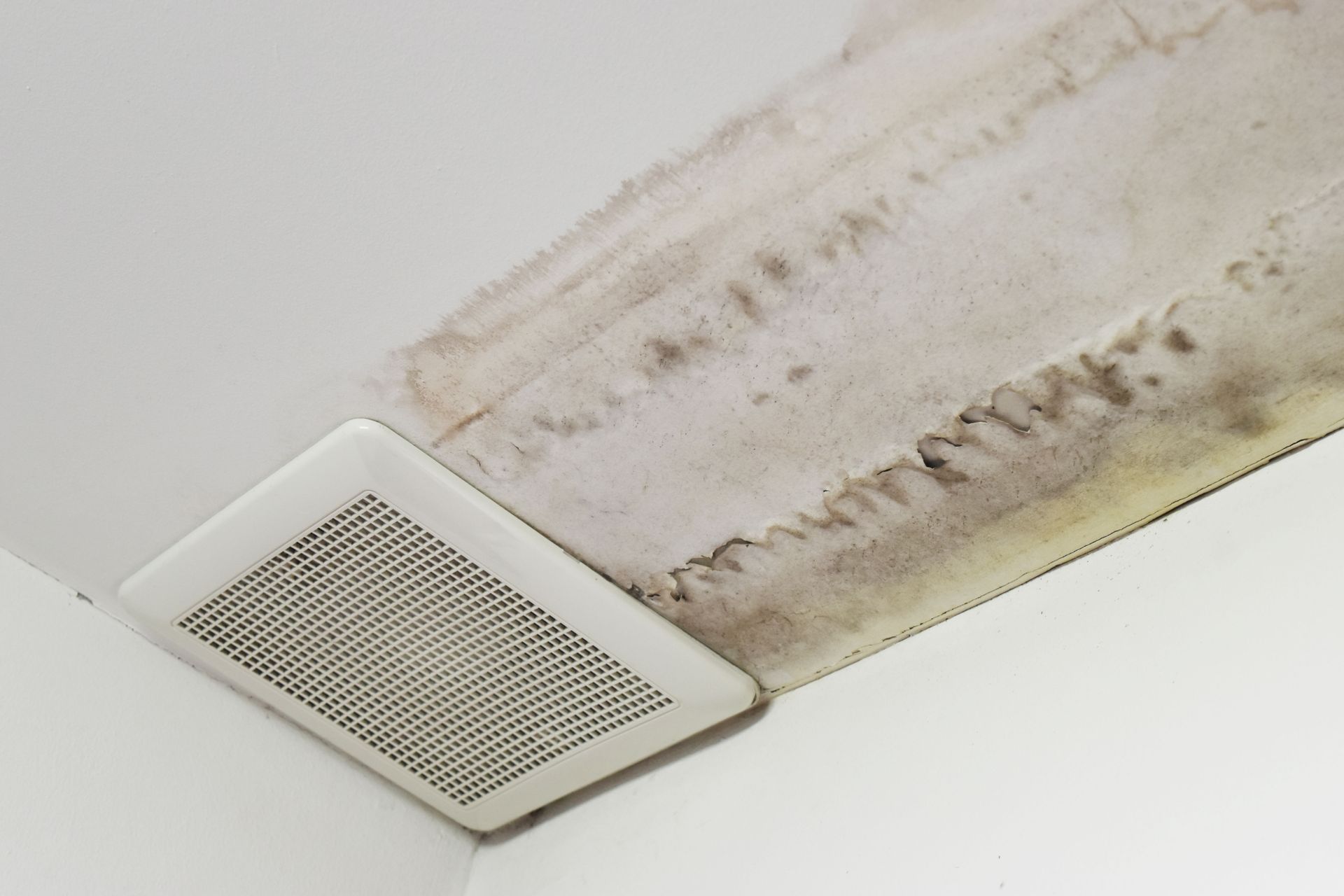
Finding the source of the water helps determine the appropriate response. Heavy rainfall, overflowing drainage systems, and flooding can introduce water from outside. Indoors, common causes include burst pipes, leaking water heaters, overflowing sinks, and damaged washing machine hoses. Water stains, damp drywall, and musty odors may indicate hidden leaks that have been developing over time.
Inspect affected areas only when it is safe to do so. If a plumbing failure is responsible, turn off the home's main water supply when accessible without entering a hazardous area. For flooding caused by severe weather, avoid approaching moving water or attempting to block dangerous flows yourself. Contact a qualified plumber if the source remains unclear or requires immediate repair.
Consider Hidden and External Causes
Sometimes, water enters through roof damage, foundation cracks, clogged gutters, or poorly directed downspouts. Problems with neighboring properties or shared utility lines may also contribute. Look for visible signs without disturbing unstable structures or contaminated materials. Identifying the cause helps professionals recommend repairs that address the underlying problem rather than only treating its visible effects.
The scale of this problem makes a prompt response especially important. According to the Insurance Information Institute, water damage affects around 14,000 people in the United States every day. Recognizing the source early and arranging appropriate assistance can help prevent a manageable incident from becoming a more extensive restoration project.
Limit the Spread of Water
Remove Standing Water When Safe
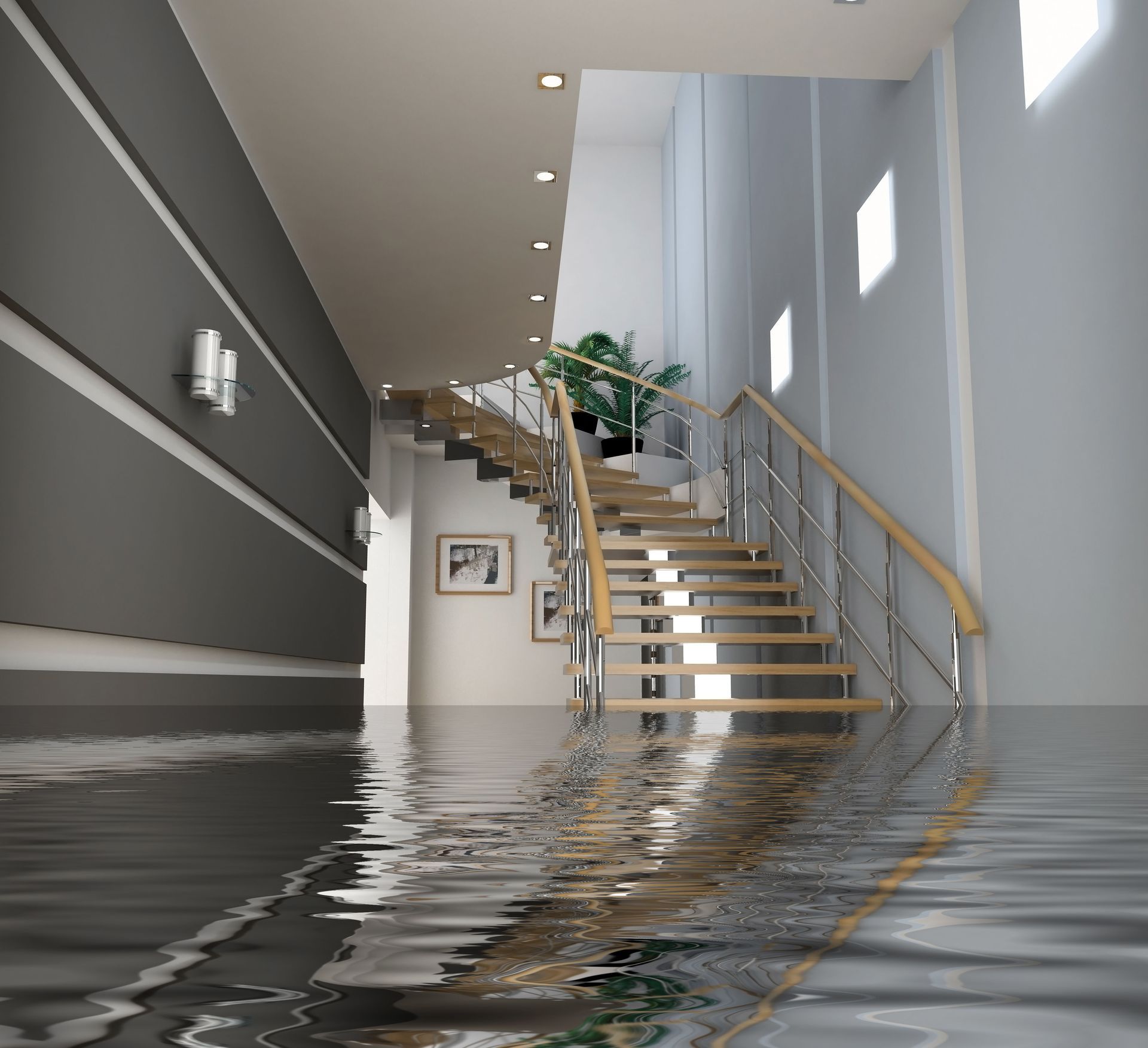
Once the source has been controlled and the area is safe, removing standing water can help reduce further deterioration. Small amounts may be collected with towels, mops, and buckets. Larger quantities may require professional extraction equipment, such as commercial pumps and wet vacuums. Avoid using household electrical equipment in wet areas unless a qualified professional confirms that conditions are safe.
Water can collect beneath flooring, behind baseboards, inside wall cavities, and under furniture. These concealed areas may remain damp even after visible puddles disappear. Thorough extraction is therefore important for limiting swelling, material deterioration, and conditions that encourage mold growth.
Protect Furniture and Personal Belongings
If it is safe, move furniture, electronics, important documents, and other valuables away from affected areas. Place smaller belongings in dry locations and elevate movable items to prevent additional exposure. Photograph damaged possessions before moving or discarding them, particularly when an insurance claim may be necessary. Documenting water damage early can also help establish the extent of the loss for your insurance provider.
Do not handle items that may be contaminated by sewage or other hazardous substances without appropriate protective equipment and professional guidance. Porous materials, including carpets and upholstered furniture, may require specialized cleaning or disposal depending on the water source and extent of exposure.
Begin Appropriate Drying Procedures
After excess water is removed, drying the affected spaces is essential. Fans, dehumidifiers, and professional drying equipment can help manage indoor humidity and remove moisture from building materials. Opening windows may help when outdoor conditions are suitable, but humid weather can slow drying. Restoration professionals can measure moisture levels and identify damp areas that are not visible.
Quick action matters, but drying should be thorough rather than based on appearance alone. Persistent moisture can damage flooring, weaken drywall, and contribute to mold growth. Avoid disturbing potentially contaminated materials, and seek professional guidance when the affected area is extensive or the source of the water is uncertain. Proper drying helps prevent lingering moisture from causing additional water damage after the initial cleanup.
Contact the Right Professionals
Notify Your Insurance Provider
Contact your insurance company as soon as possible to report the incident and understand the claims process. Ask what documentation is required, which expenses may be covered, and whether the insurer recommends particular contractors. Coverage depends on the policy and the cause of the loss, so review exclusions and limitations carefully.
Keep copies of correspondence, claim numbers, estimates, receipts, and other relevant records. Before authorizing major repairs, clarify any requirements for inspections or approval. Take reasonable steps to prevent further damage while following your insurer's instructions.
Arrange Professional Restoration and Repairs
Professional restoration specialists can assess affected materials, extract remaining moisture, establish appropriate drying procedures, and identify areas requiring repair. Their equipment and experience can be especially valuable when water has entered wall cavities, subflooring, insulation, or other concealed spaces. A thorough inspection helps determine whether water damage extends beyond the areas that are immediately visible.
A qualified plumber may also be needed to repair broken pipes or faulty fixtures. Electricians and structural professionals can evaluate hazards when water has affected wiring, electrical systems, or building components. Coordinating the appropriate services helps address both immediate concerns and the underlying cause.
For assistance with recovery, contact JG Restoration to discuss your property's condition and the next steps toward restoring affected areas. Prompt professional attention can help homeowners understand the scope of the problem and develop a practical restoration plan.
Prevent Future Water Emergencies
Maintain Plumbing and Appliances
Regular inspections can help identify weak hoses, corroded pipes, loose connections, and aging fixtures before they fail. Check under sinks and around water heaters, washing machines, and dishwashers for leaks or moisture. Replace worn hoses when necessary and learn where the main water shutoff valve is located.
Water detection sensors can provide an early warning near appliances, in basements, and in other vulnerable areas. Some systems send alerts to a smartphone, allowing homeowners to respond when they are away. Early detection may reduce the amount of water released before a problem is discovered and help limit potential water damage.
Improve Drainage and Review Insurance
Keep gutters and downspouts clear so rainwater drains away from the foundation. Check that the ground around the home slopes away from the building and address drainage problems that cause water to collect near exterior walls. Inspect the roof periodically for damaged shingles, flashing problems, and other potential entry points.
Review your homeowners' insurance policy regularly to understand how different types of water-related losses are treated. Standard policies may cover some sudden and accidental plumbing failures but exclude certain flood-related losses. Ask your insurance representative whether additional coverage is appropriate for your property's risks.
Take Action to Protect Your Home
Unexpected water intrusion requires a careful response that puts personal safety first. Identifying the source, limiting the spread, documenting the damage, and contacting qualified professionals can help reduce further problems and support a more organized recovery. Thorough drying and appropriate repairs are just as important as removing visible water.
Preventive maintenance, reliable detection systems, and an understanding of your insurance coverage can also improve your home's readiness for future emergencies. When water enters your living space, act promptly, avoid unsafe cleanup methods, and contact JG Restoration to protect your property and prevent future water damage.



Share On: