How Emergency Water Damage Restoration Cuts Repair Costs
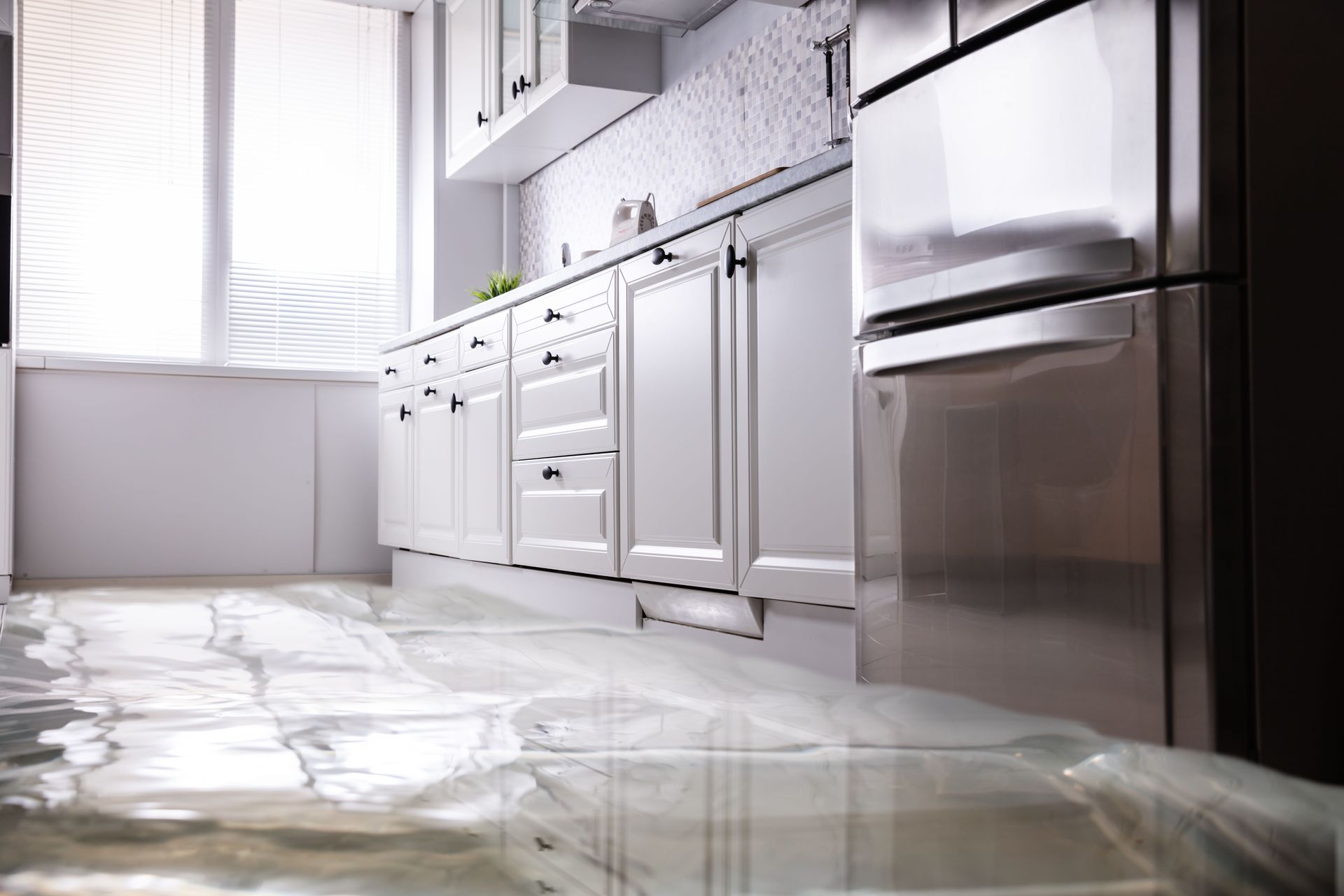
Water damage can happen without warning. A burst pipe, an overflowing washing machine, a leaking water heater, a roof leak during a storm, or a backed-up drain can quickly send water spreading across floors, into walls, and beneath cabinets. In those first few moments, it's natural to focus on stopping the water and cleaning up what you can see. But water doesn't stay on the surface. It soaks into building materials, travels into hidden spaces, and continues causing damage long after the source has been stopped. That's why fast action is so important. A fast, professional response helps limit the spread of damage, prevent secondary problems, and keep repair costs from spiraling out of control.
Understanding How Water Damage Spreads
Water moves quickly and follows the path of least resistance. Within minutes, it can seep into carpet padding, wick up drywall, and flow beneath baseboards and flooring. Within hours, wood floors may begin to swell, drywall can soften, and furniture may start to warp or stain. As time passes, water continues to migrate into insulation, subfloors, and framing, making the damage more widespread and harder to reverse. Materials that might have been dried and saved early on may need to be removed and replaced if they stay wet too long. The longer water sits, the more expensive the repairs become. Prompt water damage restoration stops this progression in its tracks, protecting materials that can still be salvaged.
Preventing Mold Growth
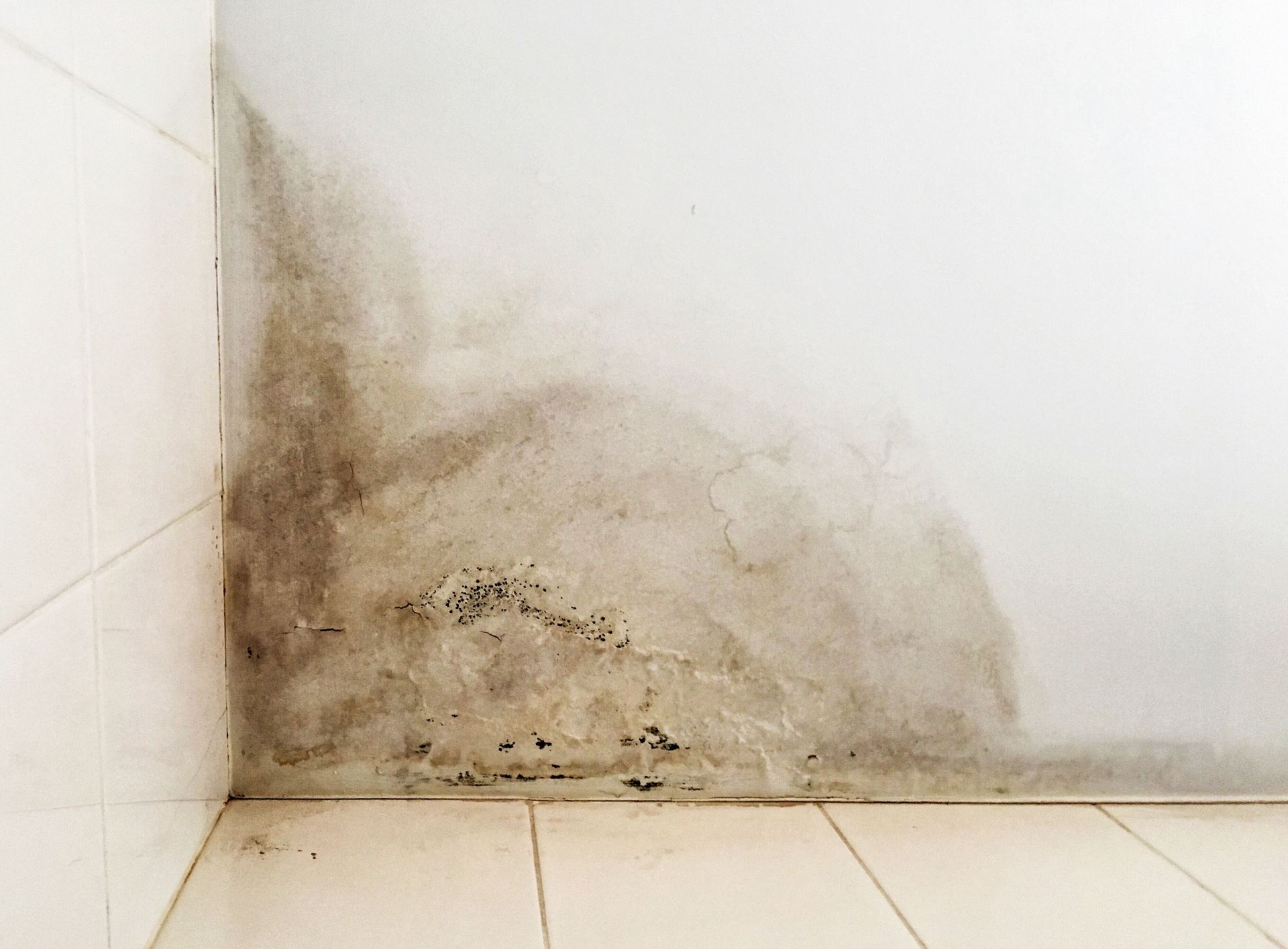
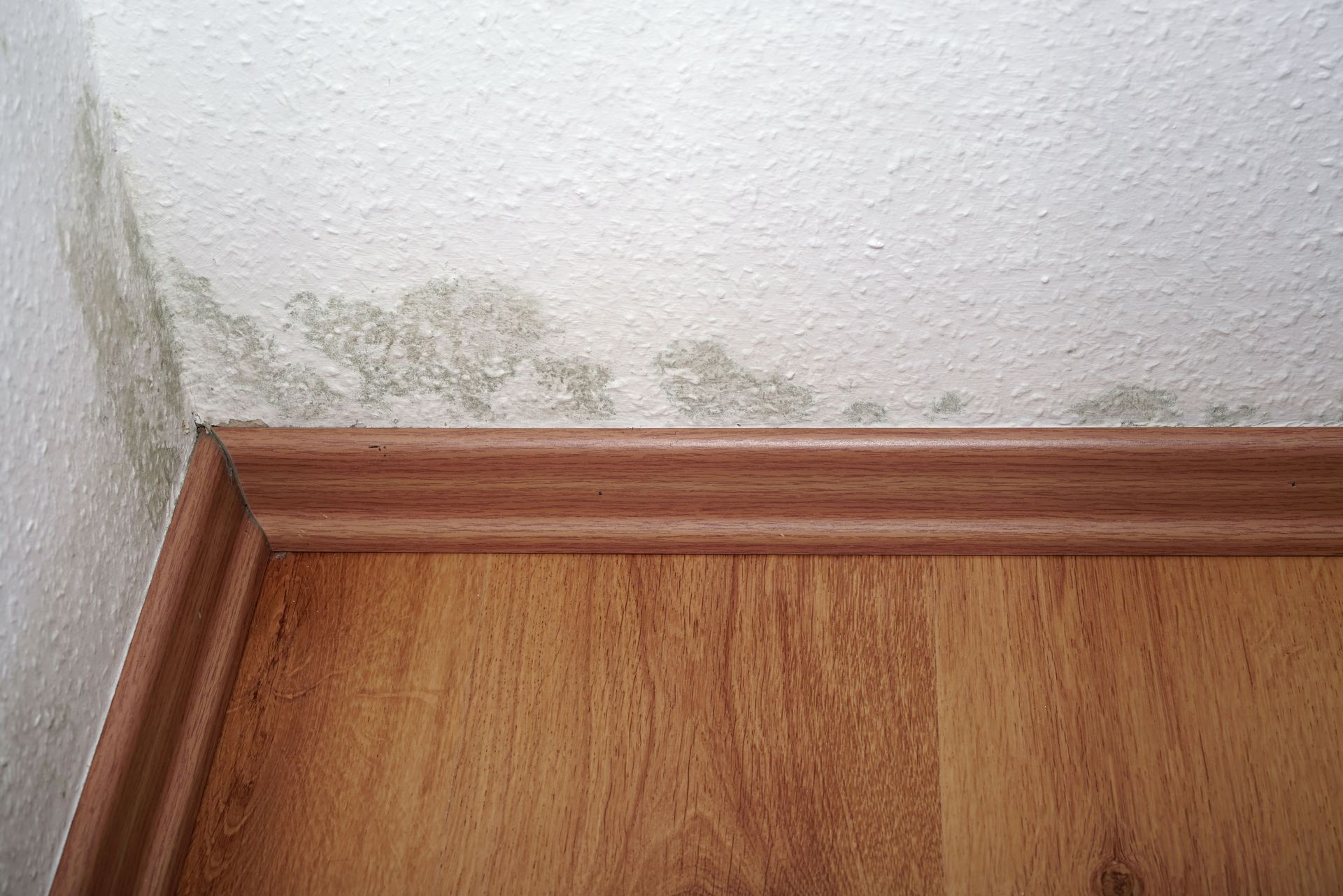
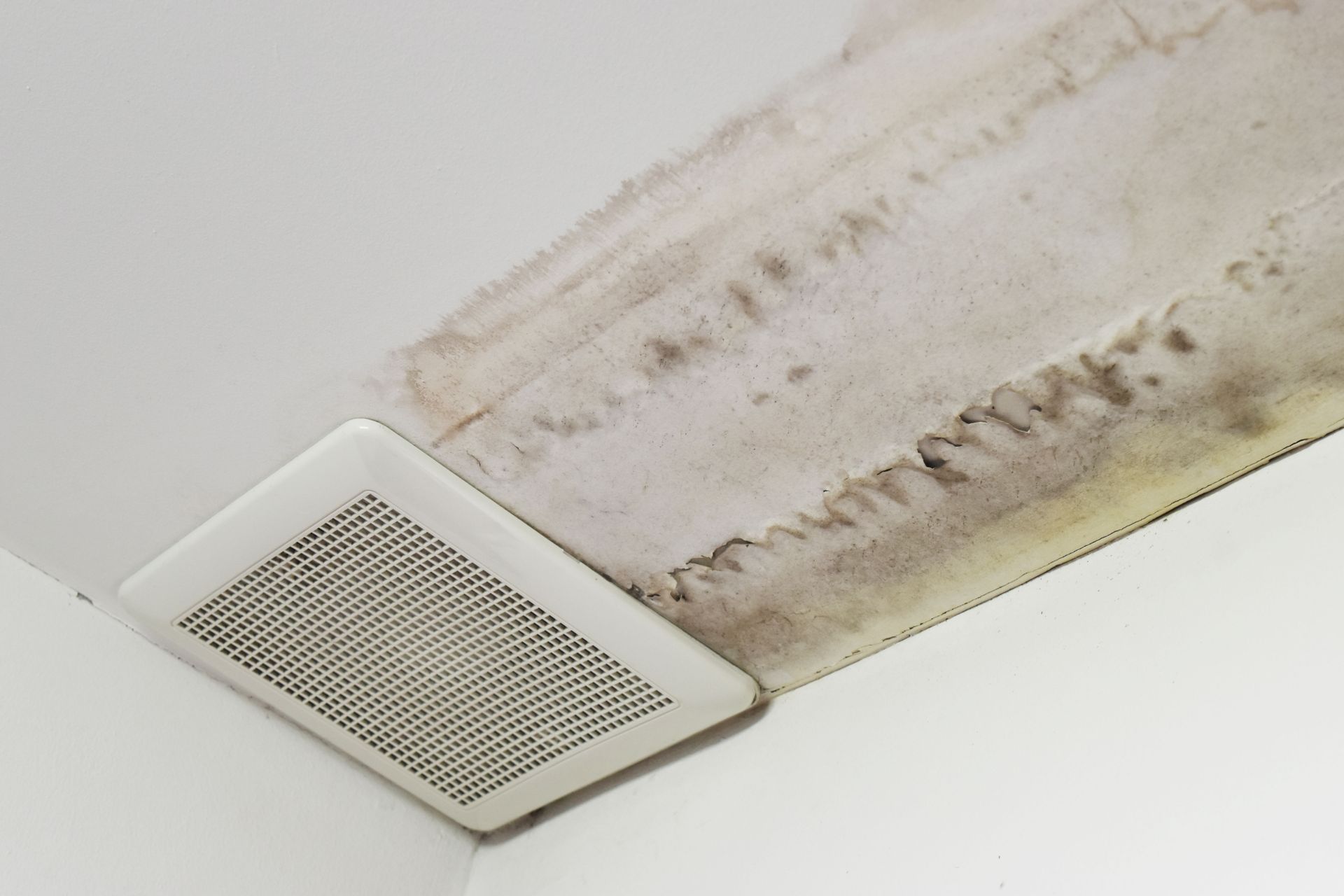
One of the biggest reasons to act quickly is mold. Mold spores are present in nearly every environment, and they only need moisture, warmth, and an organic surface to begin growing. According to HomeGuide, mold is the most serious risk that comes with water exposure, since it can begin colonizing surfaces in just 24 to 48 hours when humidity is above 60% and temperatures range from 60°F to 80°F. Those conditions are common inside most homes. Once mold takes hold, it can spread throughout walls, ceilings, and HVAC systems, affecting indoor air quality and potentially causing health problems for people with allergies or respiratory conditions. Mold remediation can add significant costs to a water damage repair. Fast water damage restoration helps dry the affected areas before mold has a chance to develop.
Removing Standing Water Quickly
The first step in any emergency response is removing standing water. Professional restoration teams use powerful pumps and commercial-grade extraction equipment to pull water from floors, carpets, and padding far more effectively than household tools. Quick extraction reduces the amount of water that soaks into building materials, which shortens drying time and limits the extent of the damage. Removing water promptly also helps protect furniture, cabinets, and personal belongings that may otherwise be ruined. The faster this step is completed, the more of your home's original materials can be saved, which directly reduces the cost of repairs and replacements. Many restoration teams offer around-the-clock emergency service, so extraction can begin even if the problem happens overnight or on a weekend.
Drying Hidden Areas Thoroughly
Even after visible water has been removed, moisture often remains trapped behind walls, beneath floors, and inside ceiling cavities. These hidden areas can stay wet for days or weeks if they aren't properly dried, leading to rot, warping, and mold growth. Restoration professionals use moisture meters and thermal imaging cameras to locate hidden water that can't be seen with the naked eye. Industrial air movers and dehumidifiers are then strategically placed to dry materials from the inside out. Technicians monitor moisture levels throughout the process to confirm that everything has been fully dried. Thorough drying prevents lingering problems that could require expensive repairs months down the road. It also helps eliminate musty odors that often linger after a leak.
Saving Flooring, Drywall, and Belongings
When water damage is addressed quickly, many materials can be dried, cleaned, and restored instead of replaced. Carpet may be salvageable if it's extracted and dried promptly, and hardwood floors can sometimes be saved from severe cupping or buckling with the right drying techniques. Drywall that hasn't been saturated for long may be dried in place rather than torn out. Furniture, documents, electronics, and other personal belongings also have a better chance of being restored when they're removed from wet areas and treated quickly. Every item and material that can be saved is one less expense added to your repair bill. Emergency water damage restoration focuses on preserving as much of your home and belongings as possible.
Protecting Your Home's Structure
Prolonged exposure to water can weaken the structural components of your home. Wood framing, subfloors, and support beams can begin to rot when they remain damp, compromising their strength and stability. Water can also damage foundations, cause ceilings to sag, and corrode metal fasteners and supports. Structural repairs are among the most costly types of home repairs, often requiring significant demolition and reconstruction. By drying the property quickly and thoroughly, professionals help prevent long-term damage to the bones of your home. Protecting the structure early saves money and helps keep your home safe for your family. It can also prevent problems like sagging floors and sticking doors that often appear months after a leak that wasn't properly dried.
Reducing Electrical and Safety Hazards
Water and electricity are a dangerous combination. Flooding and leaks can affect outlets, wiring, appliances, and electrical panels, creating risks of shock or fire. Wet flooring and saturated ceilings can also pose slip and collapse hazards. Professional restoration teams are trained to assess these dangers and take the proper precautions before work begins. They may coordinate with electricians when needed and use safe methods to dry areas around electrical systems. Addressing these hazards promptly helps prevent injuries and costly damage to electrical components and appliances. Homeowners should avoid entering flooded areas where electrical hazards may be present and leave this work to trained professionals.
Simplifying the Insurance Process
Many homeowners insurance policies cover sudden and accidental water damage, but most also require homeowners to take reasonable steps to prevent further damage. Delaying cleanup can give insurers grounds to reduce or deny parts of a claim, especially if mold or additional damage develops over time. Professional restoration companies document the damage with photos, moisture readings, and detailed reports that can support your claim. Many also work directly with insurance adjusters, helping the process move more smoothly. Prompt water damage restoration not only reduces repair costs but also helps you get the most from your insurance coverage. Keeping records of every step, from the initial response to final repairs, makes it easier to recover the funds you're entitled to.
At JG Restoration, we know that when water damage strikes, every minute counts. Our team responds quickly to remove water, locate hidden moisture, and dry your home thoroughly using professional-grade equipment. We focus on saving as much of your property and belongings as possible, preventing mold growth, and protecting your home's structure from long-term harm. Our water damage restoration services are designed to reduce stress, limit repair costs, and help you get your home back to normal as quickly as possible. We'll also document the damage and help you through the insurance process with clear communication every step of the way. Contact JG Restoration today for fast, reliable water damage restoration when you need it most.



Share On: