The Importance of Moisture Detection During Water Damage Restoration
Water intrusion can cause serious damage to residential and commercial properties, even when visible signs seem minor. Moisture can spread behind walls, beneath flooring, and into structural materials, creating problems that worsen over time. Effective water damage restoration depends on identifying hidden moisture before it causes structural deterioration, mold growth, or expensive repairs. Professional moisture detection helps restoration teams locate the damage, identify its source, and determine which materials require attention.
Understanding Moisture Detection Methods
Selecting Appropriate Moisture Meters
Moisture meters help professionals measure water content within building materials. Pin-type meters use probes to measure electrical resistance and are useful for testing wood and other suitable materials. Pinless meters use electromagnetic signals to assess moisture without puncturing surfaces, making them helpful for finished walls and flooring.
Thermo-hygrometers measure temperature and relative humidity to evaluate indoor conditions that may contribute to moisture problems. Each tool serves a different purpose, so restoration specialists select equipment based on the materials and conditions involved. Combining these tools provides a clearer understanding of the affected property.
Comparing Invasive and Non-Invasive Testing
Non-invasive methods allow professionals to investigate potential moisture problems without immediately damaging building materials. Pinless meters and infrared cameras can identify suspicious areas for closer examination. However, their findings may require confirmation through additional testing.
Invasive testing provides access to concealed materials that cannot be adequately assessed from the surface. Pin-type meters and selective openings in walls or flooring can help confirm hidden moisture. Combining both approaches allows professionals to balance accurate assessment with material preservation during water damage restoration.
Using Infrared Thermography Effectively
Infrared thermography uses thermal imaging cameras to identify temperature variations across surfaces. Because moisture can affect how materials retain and release heat, unusual temperature patterns may indicate areas requiring further investigation. Professionals can scan large areas without immediately removing drywall or disturbing flooring.
Thermal imaging does not directly measure moisture, and temperature differences may have other causes, including insulation gaps and air leaks. Specialists, therefore, combine thermal images with moisture meter readings and physical inspections to make more informed restoration decisions.
Maintaining Accurate Equipment Readings
Reliable measurements depend on properly maintained and calibrated equipment. Moisture meters should be checked according to manufacturer recommendations, while professionals must account for material differences and environmental conditions that affect readings.
Recording moisture levels and tracking changes over time helps restoration teams determine whether drying is progressing. These records can also support communication with property owners and insurance representatives. Accurate measurements are essential for effective water damage restoration.
Identifying Sources of Water Intrusion
Inspecting Common Water Entry Points
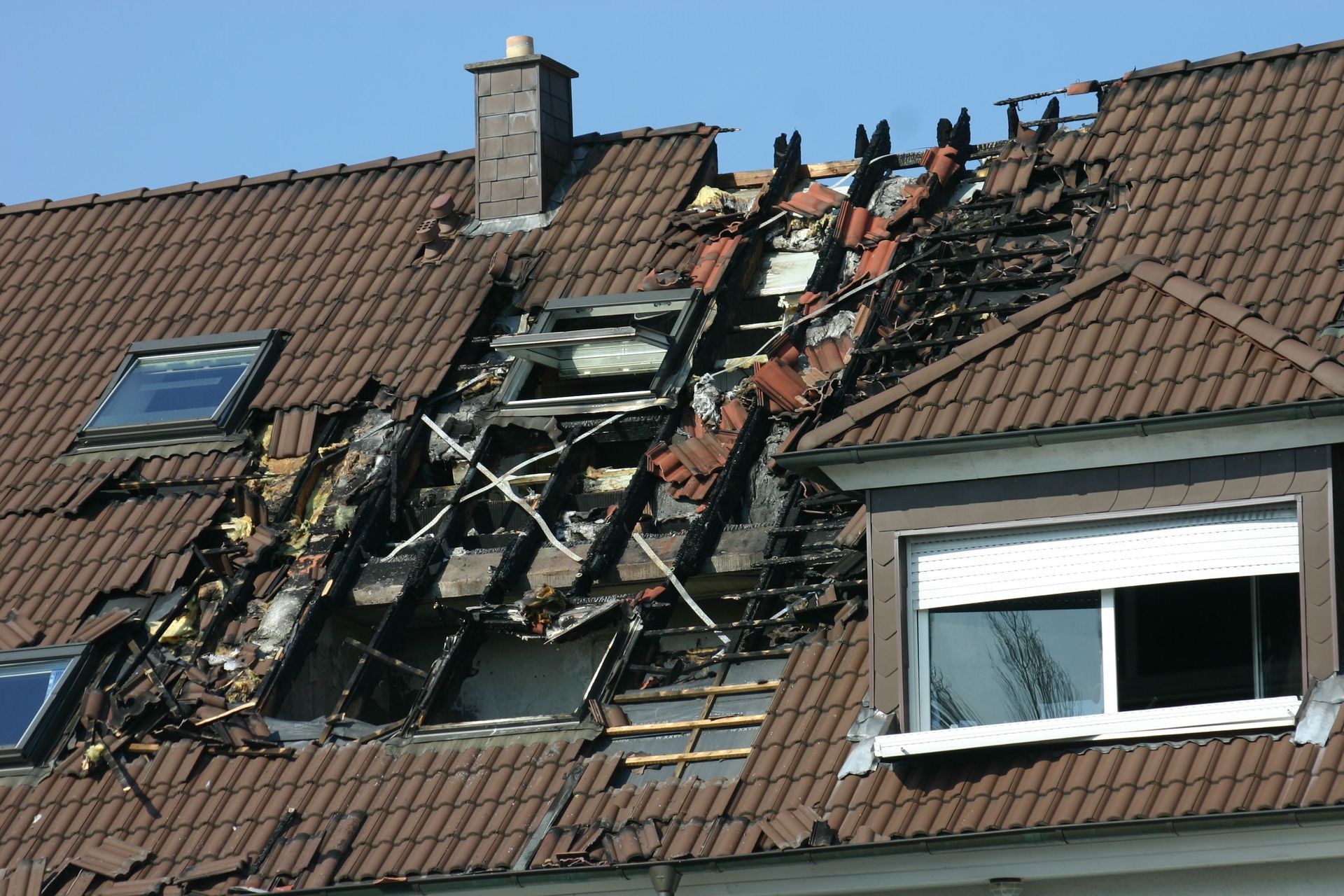
Roof leaks, damaged flashing, deteriorated window seals, and plumbing failures are common sources of water intrusion. Water can enter through small openings and spread through ceilings, walls, and flooring before damage becomes obvious.
Routine inspections help identify vulnerabilities before they cause extensive damage. Checking roofing materials, plumbing connections, exterior seals, and visible foundation cracks can reveal issues requiring attention. During water damage restoration, identifying the original entry point is just as important as locating wet materials. If the source remains unresolved, repaired areas may suffer damage again.
Evaluating HVAC Systems and Appliances
Heating and cooling equipment, water heaters, dishwashers, and washing machines can introduce moisture through leaks, blocked drains, or mechanical failures. Air conditioning systems may also release condensate that accumulates when drainage components become obstructed.
Inspecting appliances and HVAC components helps identify potential sources that might otherwise be overlooked. Qualified technicians can address specialized equipment problems, reducing the risk of repeated water exposure and protecting restored materials.
Recognizing Signs of Hidden Damage
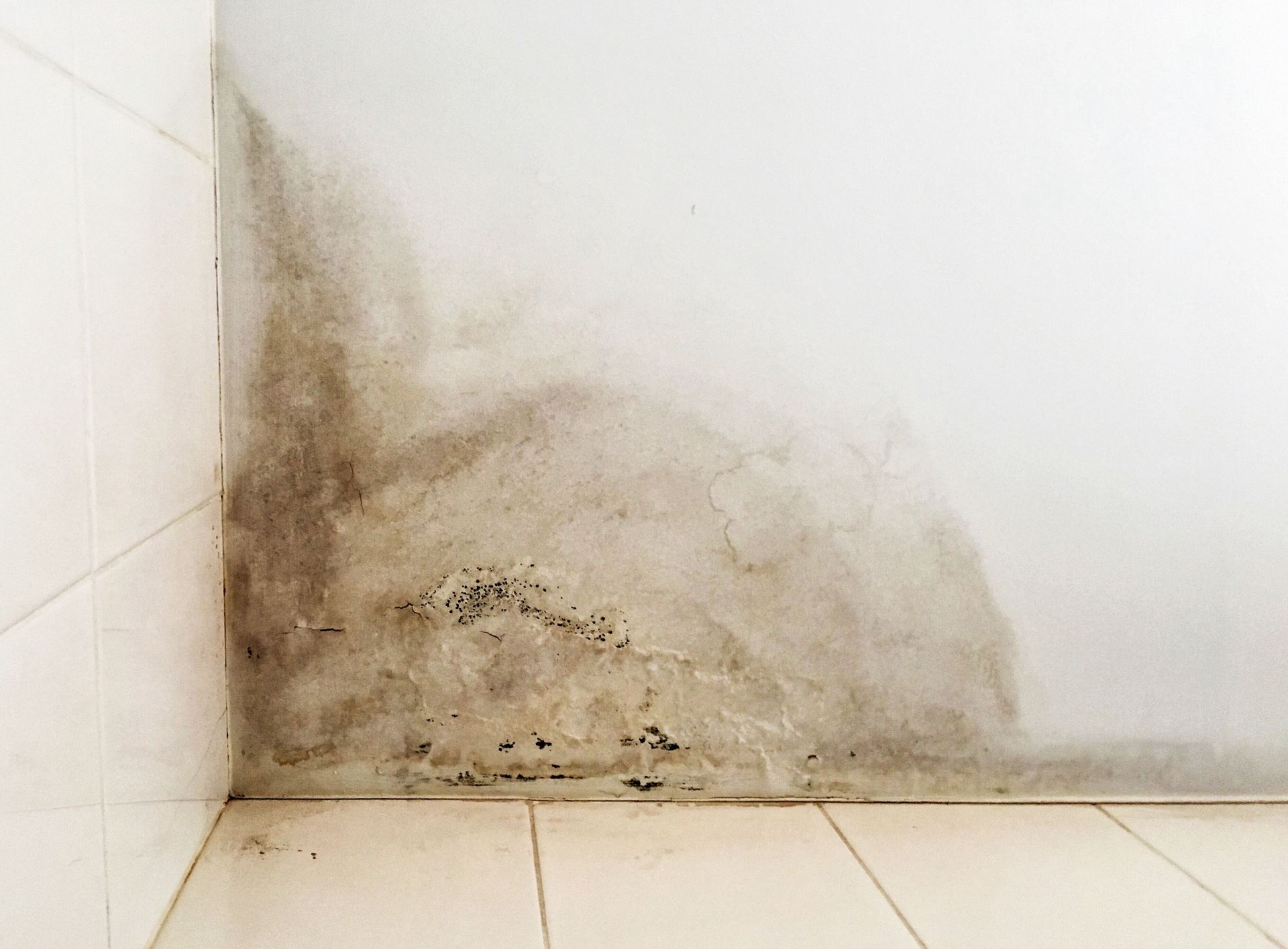
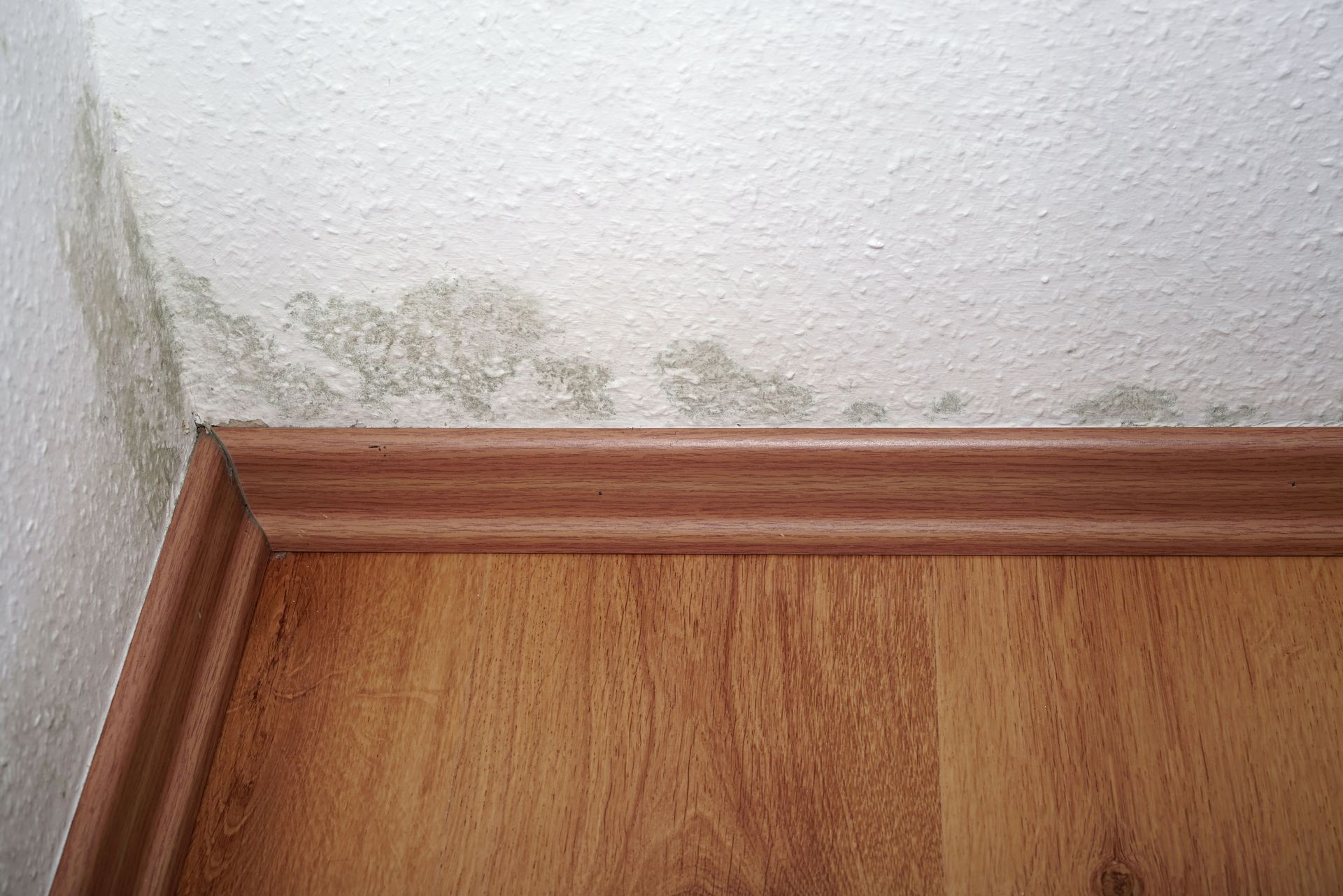
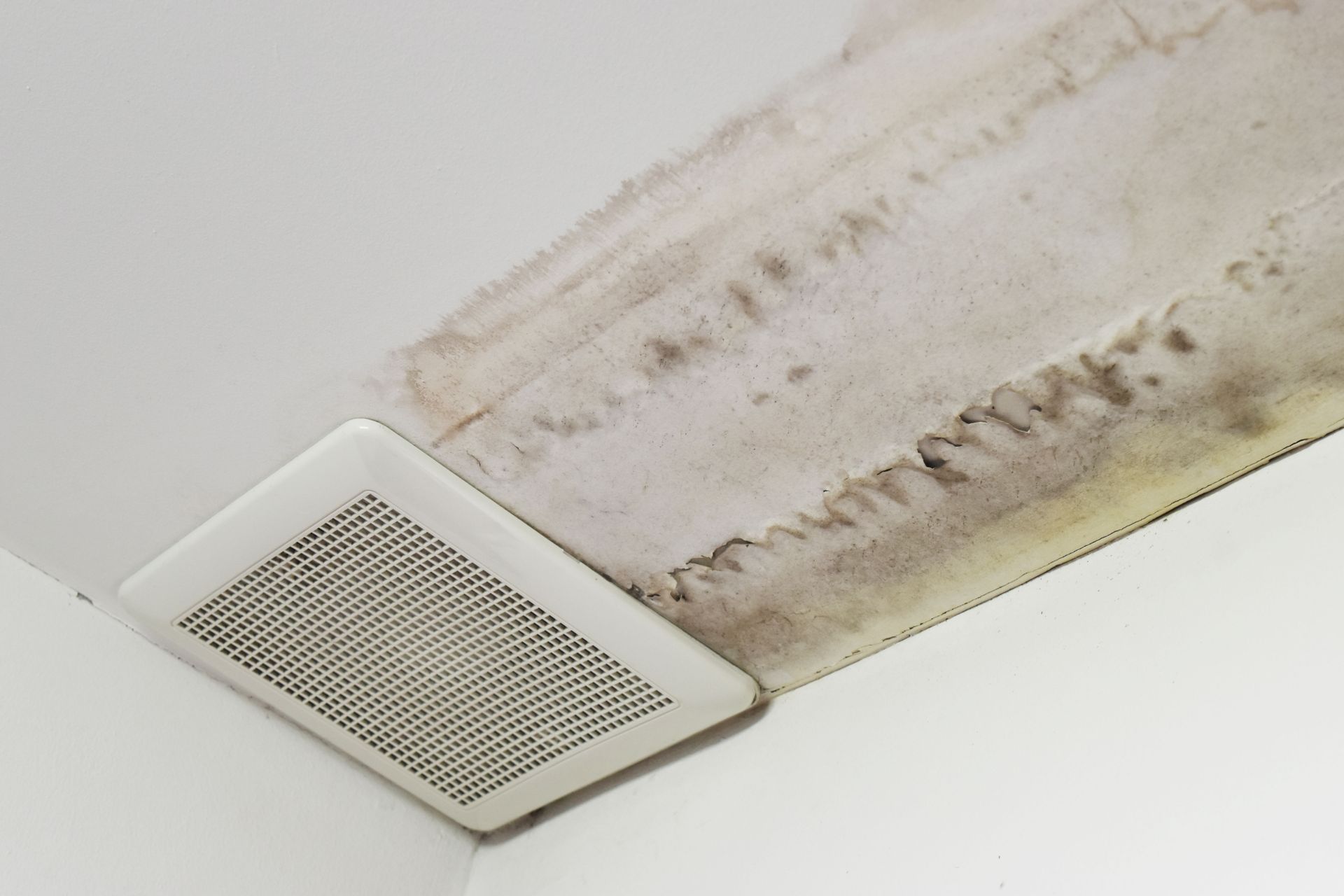
Soft flooring, bubbling paint, peeling wallpaper, unexplained discoloration, and musty odors can indicate concealed moisture. Ceilings may develop stains after roof or plumbing leaks, while baseboards can swell when water collects near the floor.
Property owners should report unusual changes promptly, especially in areas near plumbing fixtures, windows, and exterior walls. Professionals can use moisture meters and other diagnostic tools to determine whether these signs indicate active moisture or damage from an earlier incident. Early investigation helps prevent minor concerns from becoming extensive repairs.
Assessing Groundwater and Drainage Conditions
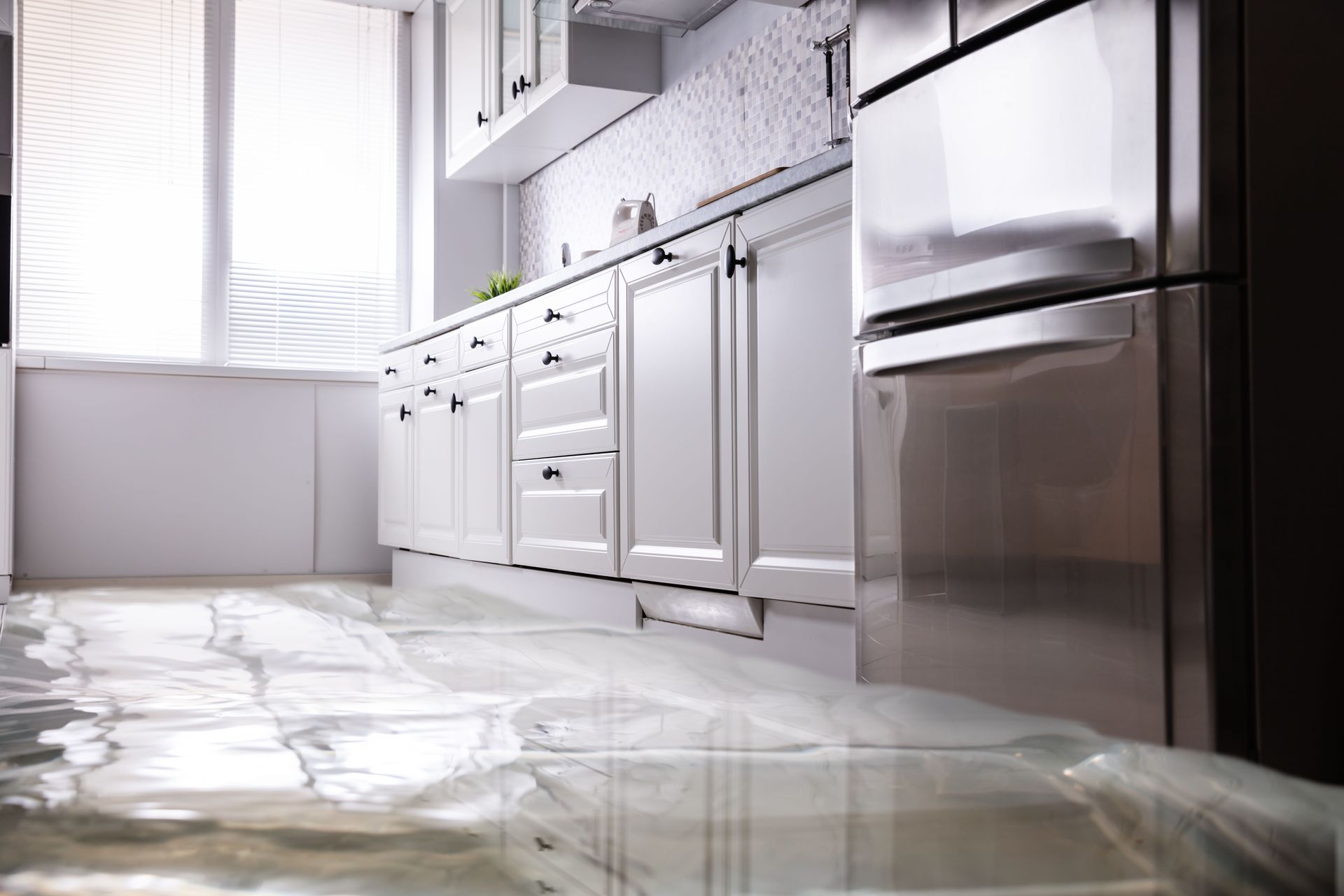
High groundwater levels and poor exterior drainage can allow water to enter basements, crawl spaces, and foundations. Clogged gutters, short downspouts, and improper grading may cause water to collect around a building instead of draining away. Over time, this exposure can contribute to foundation seepage and damaged belongings.
Checking gutters, downspouts, foundation conditions, and surrounding ground slopes can help identify drainage problems. Depending on the property, drainage improvements or sump pumps may help control water accumulation.
The financial consequences of flooding demonstrate why prevention matters. According to HouseCashIn.com, a total of $627 million has been paid this year alone by all U.S. states on flood damage claims. Identifying drainage problems and addressing moisture promptly can help property owners limit damage and reduce the likelihood of recurring issues.
Applying Preventive Maintenance Practices
Regular roof inspections, plumbing checks, appliance maintenance, and exterior drainage assessments help identify developing problems. Property owners should also monitor areas prone to condensation and ensure ventilation systems function properly.
Preventive strategies should reflect the property's construction, age, and local weather conditions. Professional recommendations can help owners prioritize improvements and select materials suited to areas exposed to water. Consistent maintenance reduces the likelihood of major restoration projects.
Preventing the Consequences of Undetected Moisture
Protecting Structural Integrity
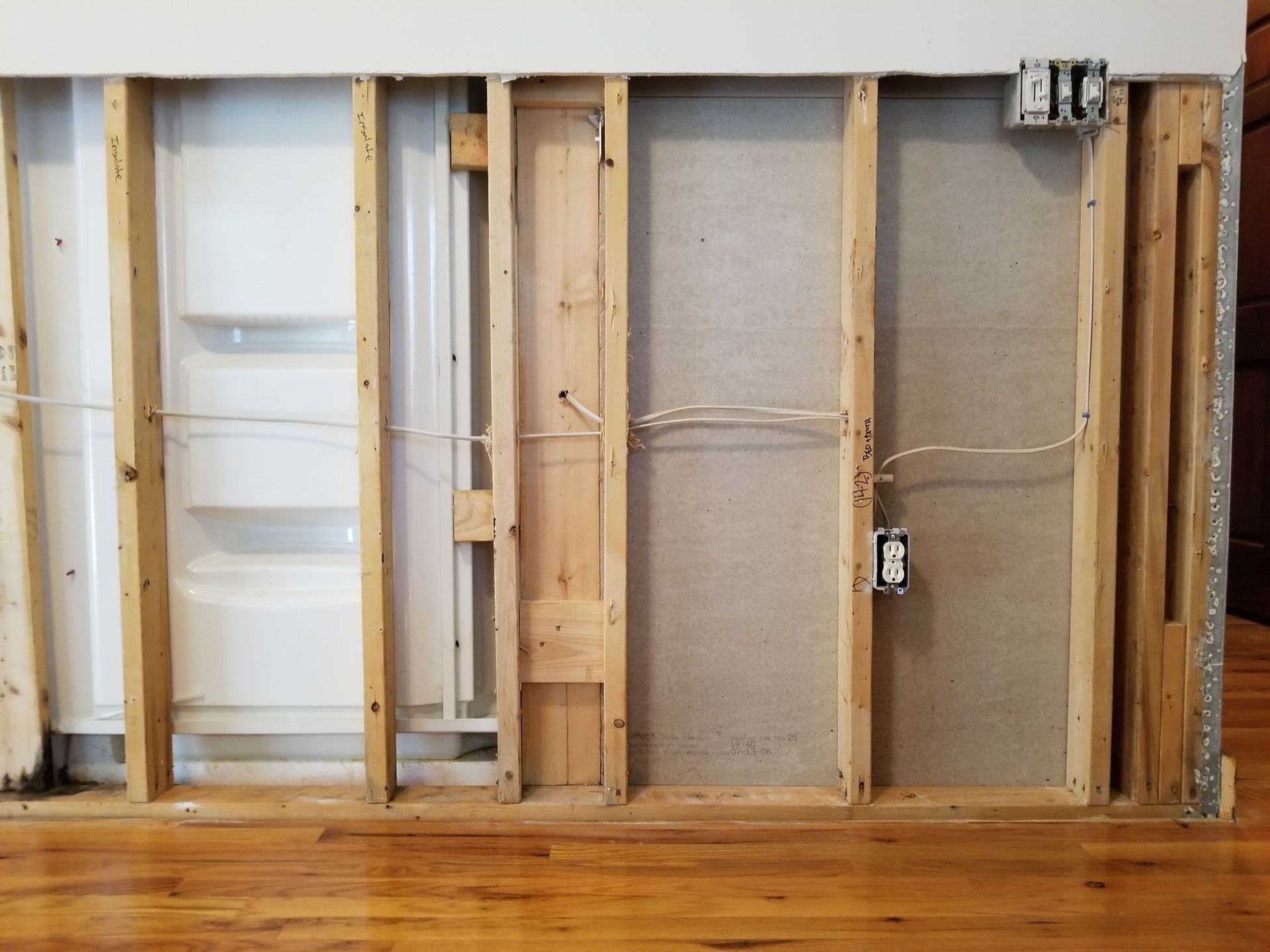
Prolonged moisture exposure can weaken building materials and compromise structural components. Wood may rot, drywall can lose strength, and flooring may swell or separate. If water reaches framing or subfloors, repairs can become more extensive and disruptive.
Early detection allows professionals to determine whether drying, repair, or replacement is necessary. During water damage restoration, ongoing moisture measurements help verify drying progress and identify areas requiring additional attention. Addressing moisture before deterioration advances can preserve the building and reduce repair costs.
Reducing Mold and Indoor Air Quality Risks
Damp materials can support mold growth when moisture remains present. Mold may develop on drywall, wood, insulation, and carpeting, sometimes in concealed spaces. Exposure can trigger allergic reactions, irritation, and respiratory symptoms, particularly among sensitive individuals.
Prompt moisture control reduces conditions that encourage mold growth. When contamination occurs, affected materials may require specialized cleaning or removal. A comprehensive water damage restoration plan helps determine whether additional mold remediation is appropriate and reduces the risk of spreading spores during cleanup.
Reducing Unexpected Repair Expenses
Undetected moisture can increase repair expenses by allowing damage to spread into additional rooms and materials. Property owners may face costs for replacing flooring, repairing drywall, addressing mold, and restoring structural components.
Thorough inspections and documented moisture readings help restoration teams identify necessary work. Photographs, inspection notes, and measurements may also help explain the scope of damage during insurance claims, although coverage depends on the policy and circumstances of the loss.
Supporting Complete Drying and Restoration
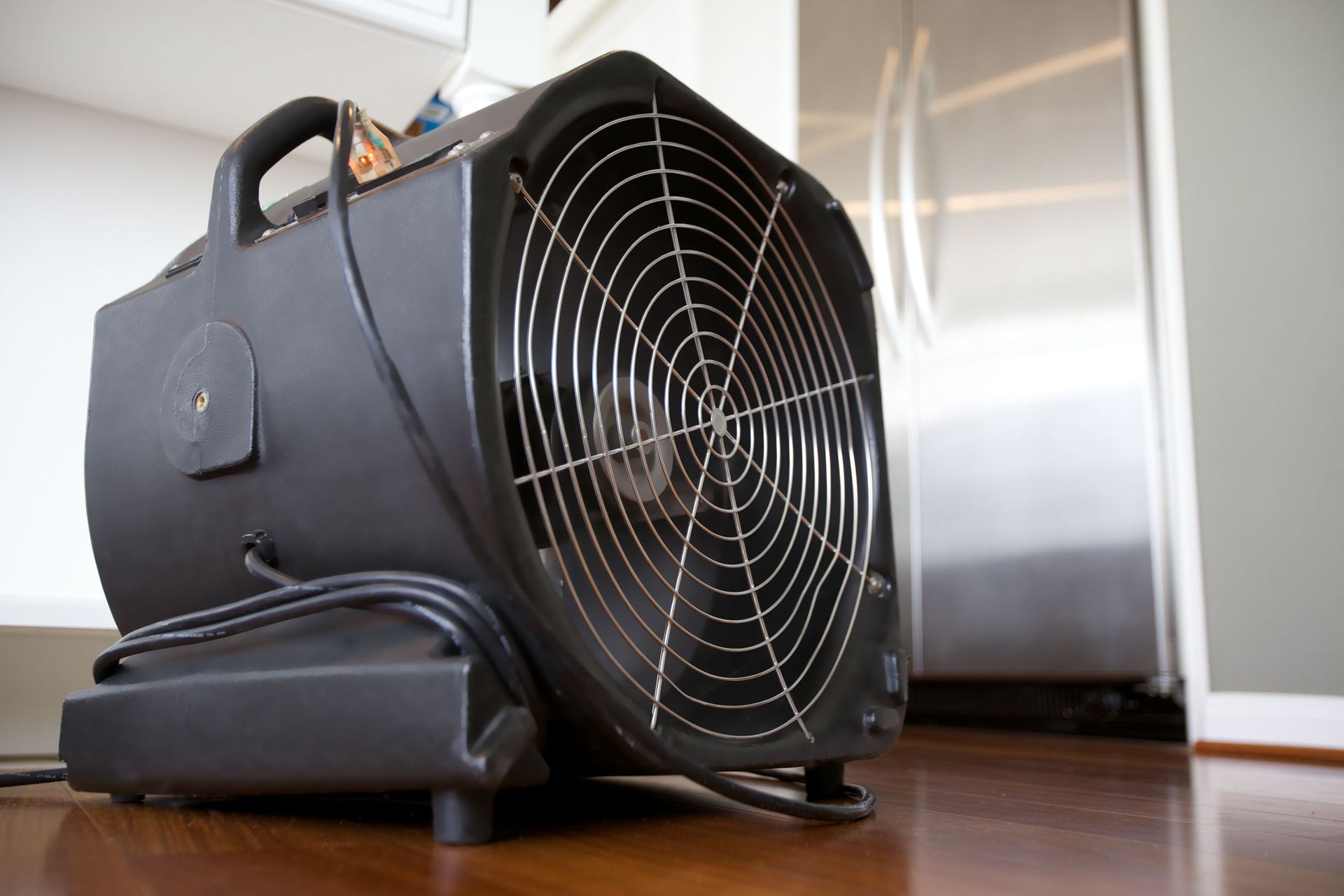
Successful water damage restoration requires more than removing standing water and repairing visible damage. Professionals must evaluate affected materials, monitor moisture levels, and confirm that drying is progressing appropriately. Air movers and dehumidifiers may help remove moisture from the building and its contents.
Drying requirements vary according to material type, water exposure, and environmental conditions. Regular measurements help specialists adjust equipment placement and identify areas needing additional attention. Once drying is complete, damaged materials can be repaired or replaced, and the original source of water must be corrected to prevent recurrence.
Choosing Professional Moisture Detection Services
Moisture detection requires appropriate equipment, technical knowledge, and an understanding of how water affects different building materials. Professional restoration teams can investigate concealed areas, interpret readings, document findings, and develop a plan based on the property's condition.
When selecting a restoration provider, property owners should look for clear communication, documented assessments, and recommendations that address both visible damage and underlying moisture. Asking how drying progress will be measured can also clarify the overall water damage restoration process.
For property owners facing leaks, flooding, or unexplained moisture, JG Restoration can help assess the damage and determine appropriate next steps. Prompt professional attention can limit further deterioration, support effective repairs, and protect the property's long-term condition. Addressing water intrusion early is an important investment in the safety and value of a building.



Share On: